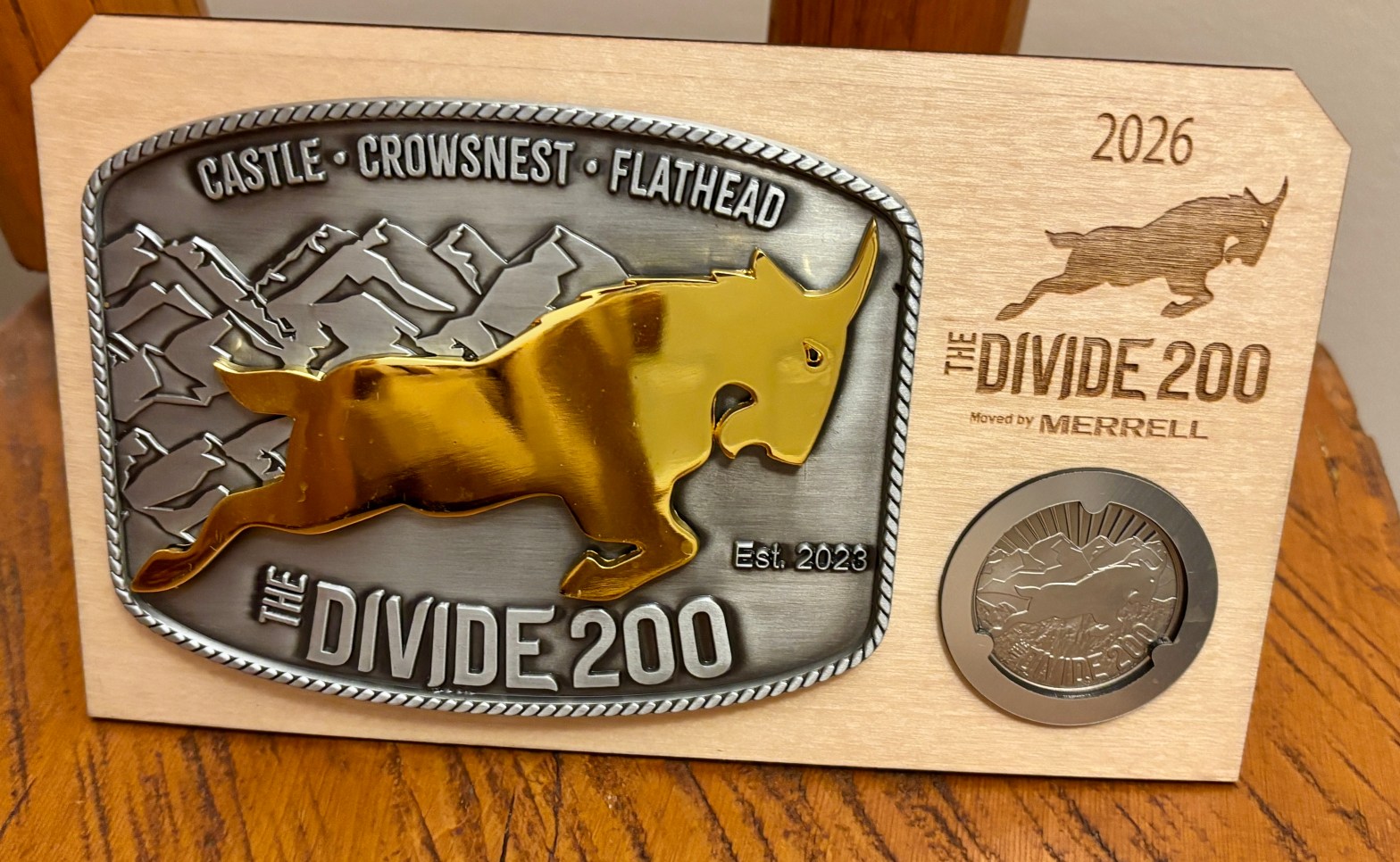
The Divide 200 is a 200-mile trail race in the Crowsnest Pass region of Alberta. The course includes portions of the Great Divide Trail and crosses into British Columbia.
Just to make it 100% clear…I did not and will NEVER run 200 miles!
This was our 3rd adventure crewing for Rudi in an Ultra. The previous Ultras were 100-mile events included in the UTBM circuit. The Divide 200 was by far the most difficult course I have seen.
The race website says “This event is for people with a great deal of both race and alpine experience. The course is made up of all trail types, as well as some off-trail travel. There will be some sections of basic route finding even though it is a prescribed and marked course; the terrain is just really gnarly out there. Checkpoints will be every 20 to 40km apart, depending on the section of the race.” It’s all true! Bottom line, this is a serious undertaking. A total of 54 athletes including 2 relay teams started the race, 29 crossed the finish line. This race has some serious prize money, $5000 for the winner, so it attracts some very serious runners.
The Course
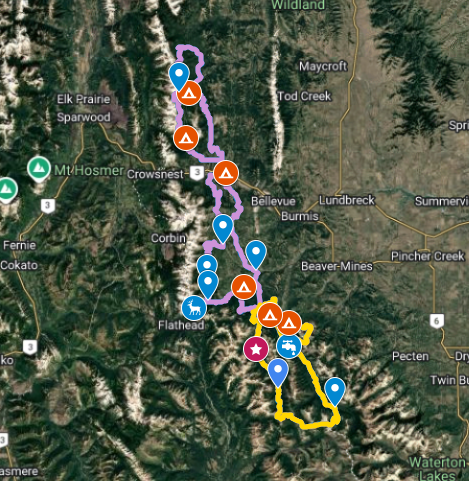
The course is 200 miles with 11,500m of elevation gain and loss. To put the elevation into perspective. The elevation between base camp and Everest is 3484m. There are cut offs at various checkpoints and an overall finish line cut off of 100 hours. The course is a figure 8 layout with 13 checkpoints which are 13.5- 33 km apart. Each checkpoint has food and water. The first two only have “snacks” all the others have hot food available.
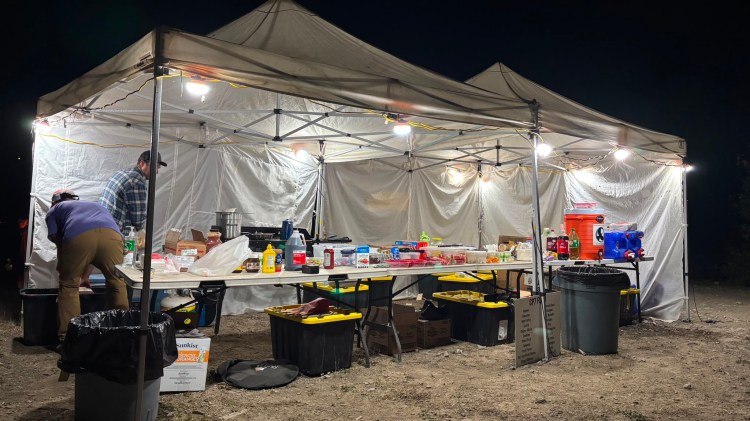
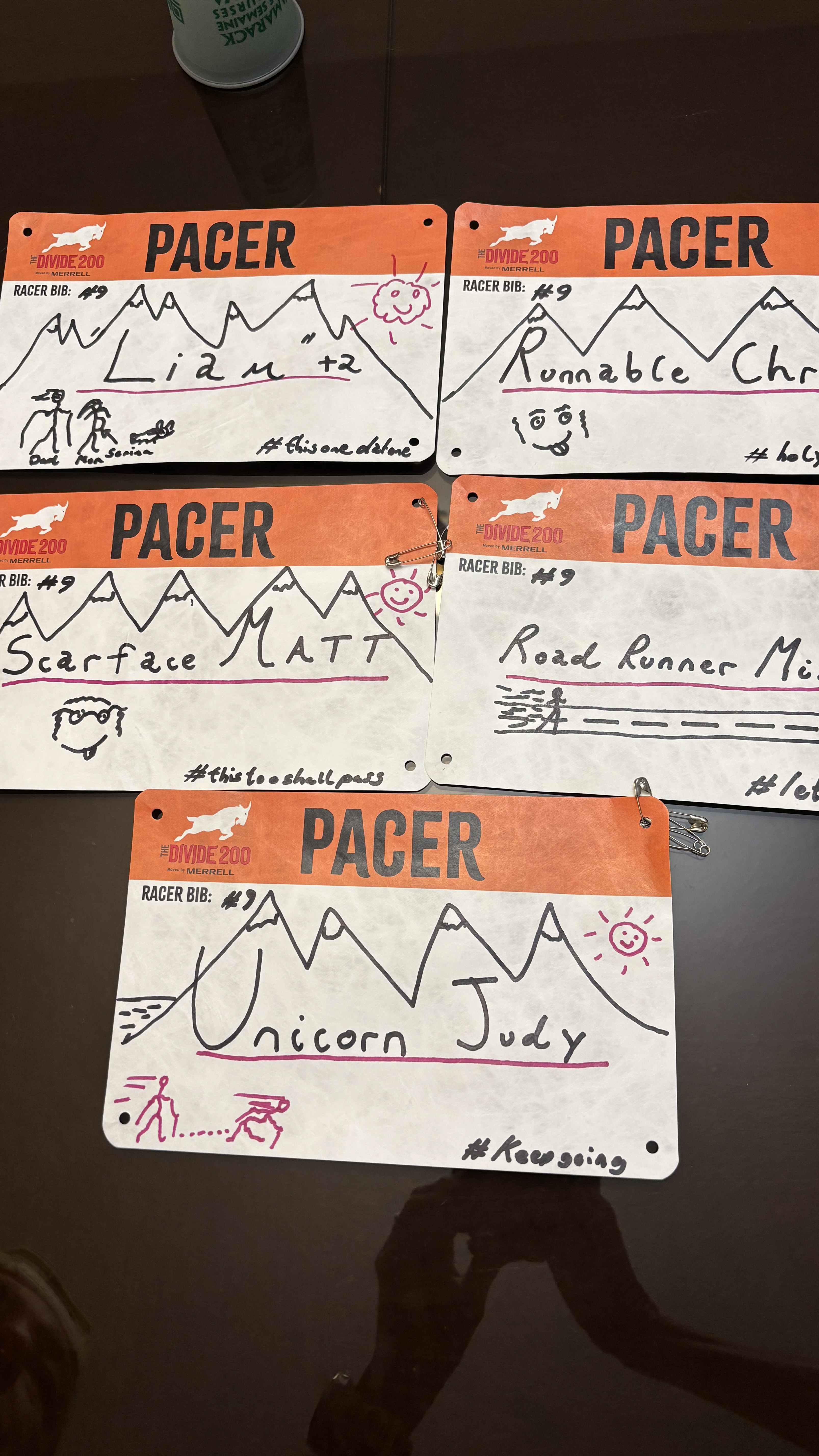
Some of the checkpoints are quite remote and only the Polish Hall CP6/10 is indoors. The first checkpoint where crew can be at on hand to help their runners is 71 km into the race. Runners must do the first 137.5 km without a pacer, after that they can have a pacer run with them. This race allows each racer to have up to four pacers, but racers can only have one pacer with them at a time. Pacers must carry all the same gear as the runners and run within eyesight of their runner. They are not allowed to “mule” (carry gear, food or water for their athlete).
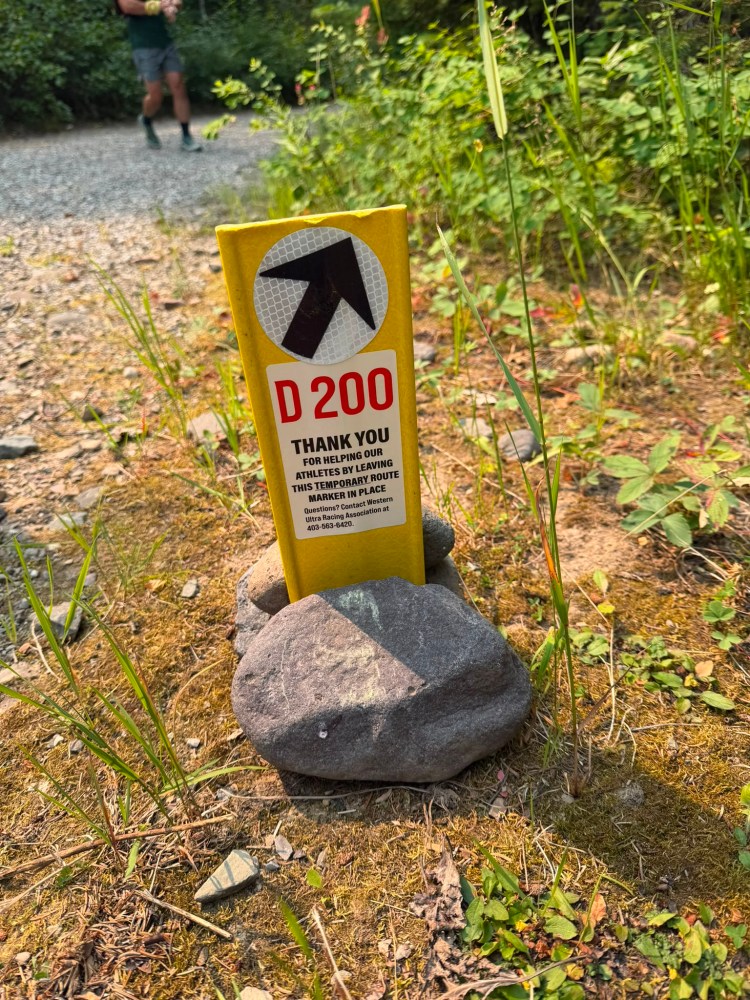
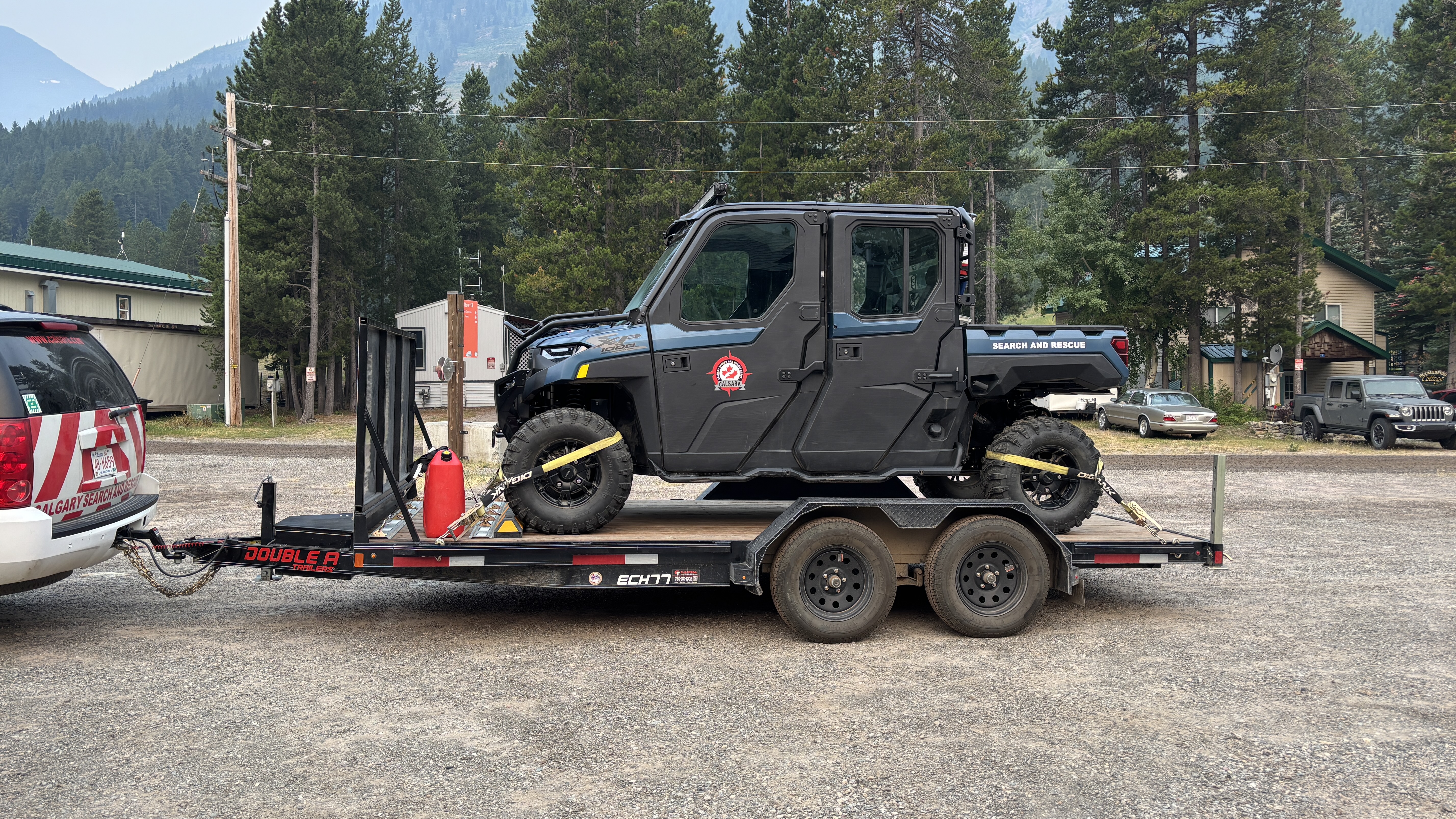
Although this course is very tough it was very well marked and the provided GPS tracks were very good. The checkpoints were good and Calgary Search and Rescue were on hand all week as part of the race support team. They were not idle…
Our Adventure
Harold and I have crewed and paced for Rudi at his two previous 100-mile races so when he decided to do 200 miles and he invited us to come and crew once again, we were happy to do it. Matt, Chris and Mike also made the trip to crew and pace along with Kyla who was all in to crew, but rather pregnant so pacing was out. The final members of the crew were Liam, Kyla and Rudi’s 2-year-old son, and Debbie- grandma extraordinaire.
I have no doubt Rudi had the biggest crew for this event! We flew to Calgary and spent the weekend before the race in a rented house at Castle Mountain Resort.
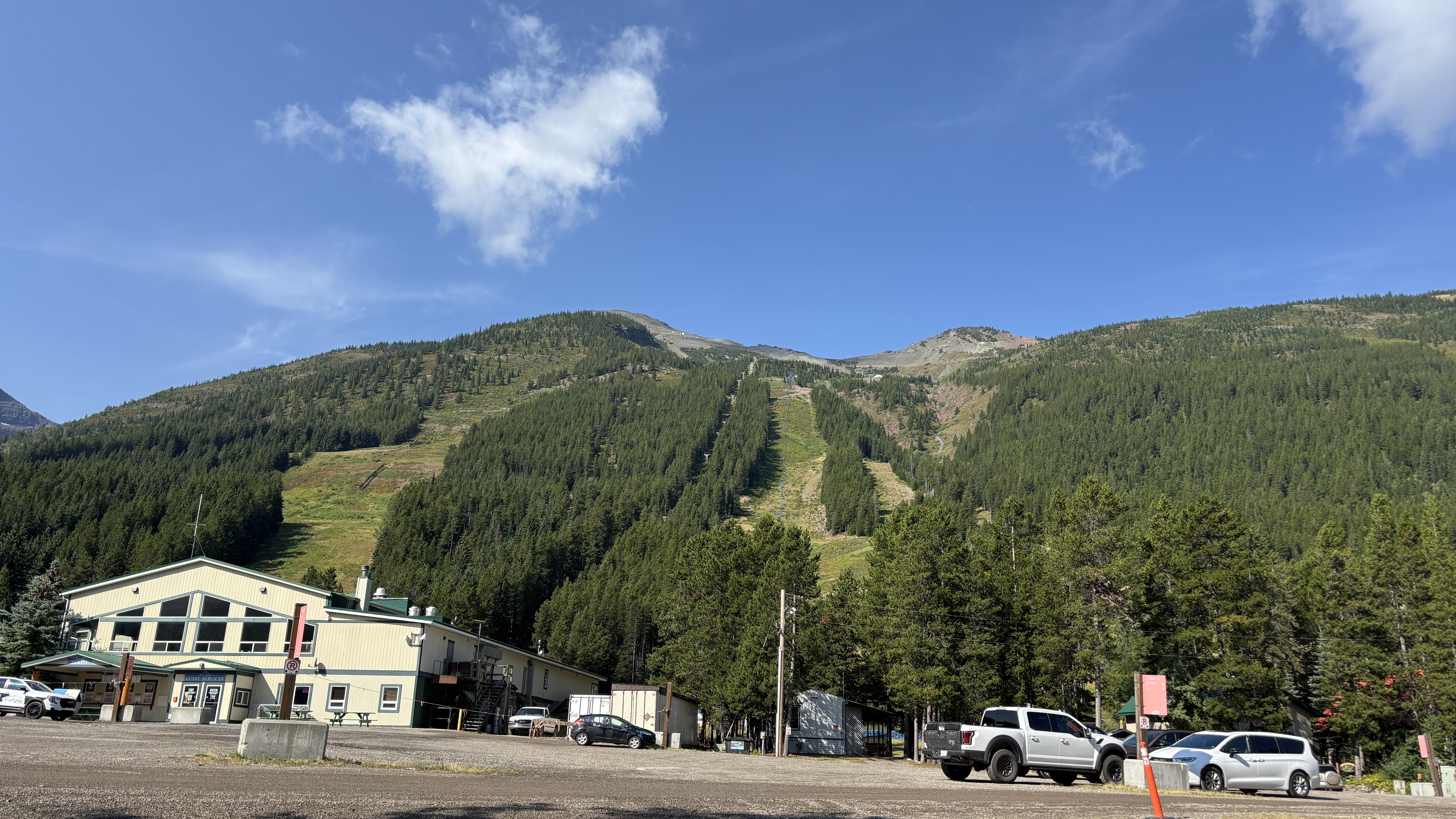
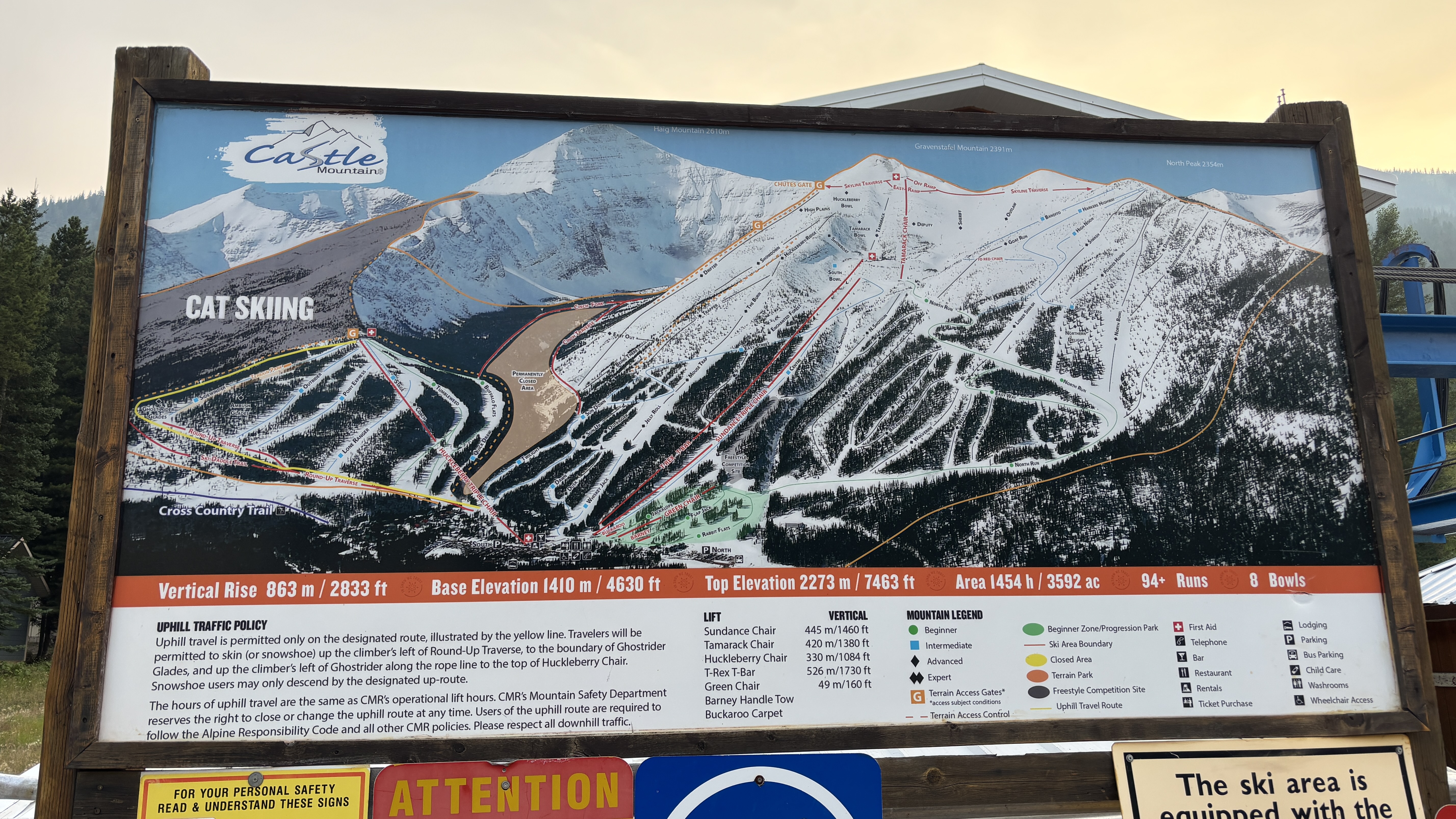
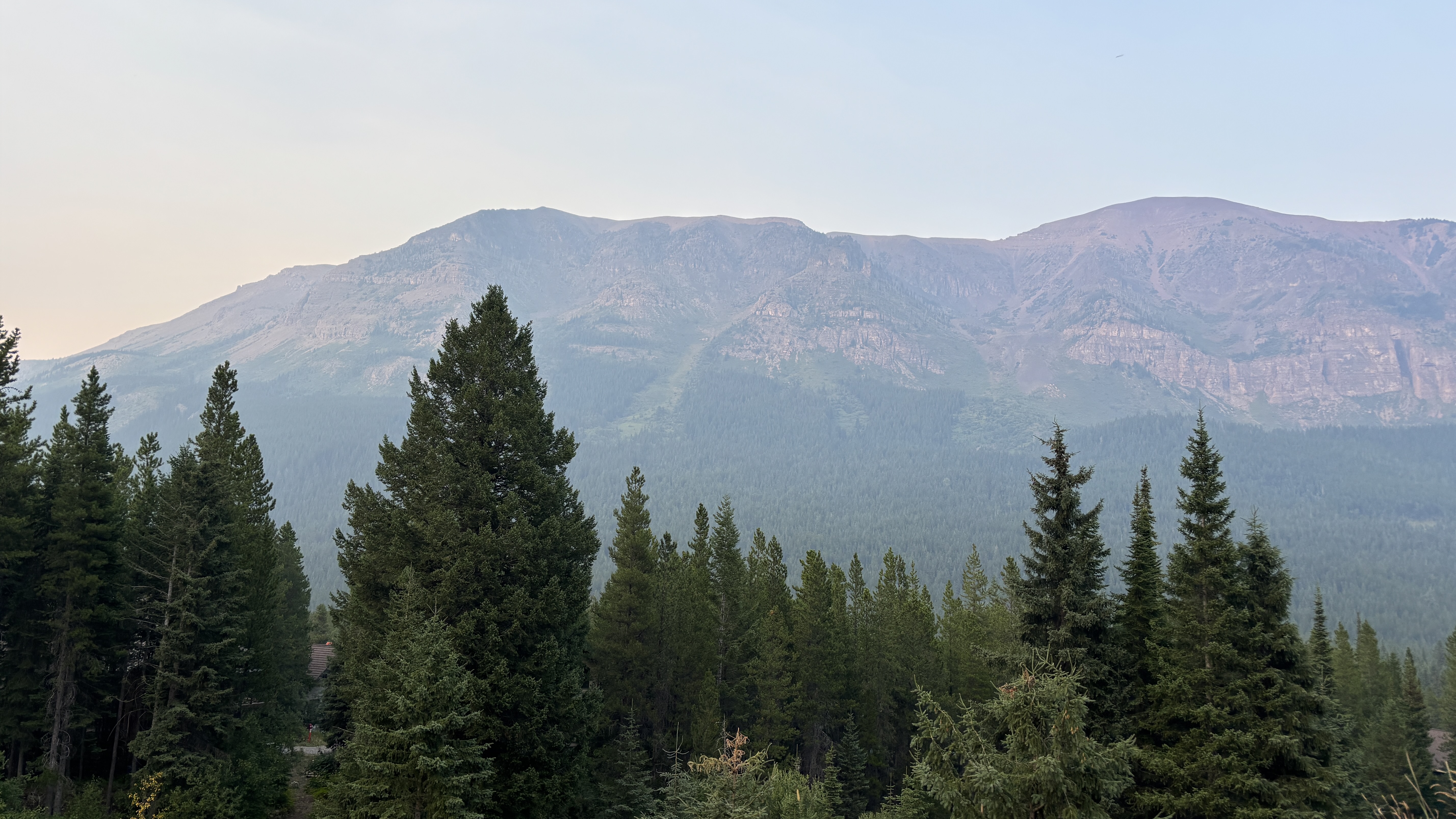
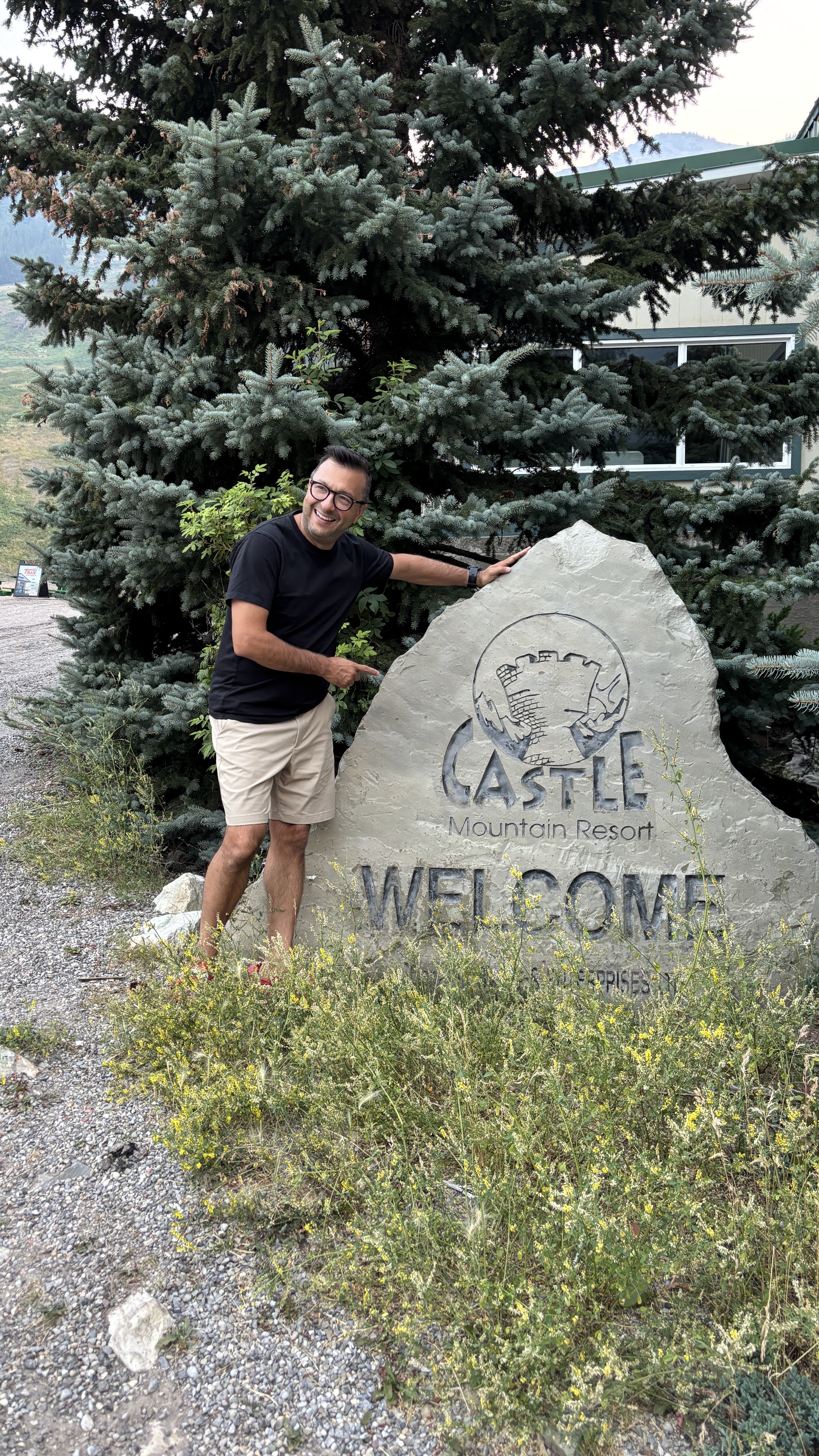
Castle Mountain Resort is the start and finish for the race. A small ski resort by today’s standards. The skiing looked pretty “back diamond”. No big condo developments and just a lodge and pub at the bottom of the ski hills.
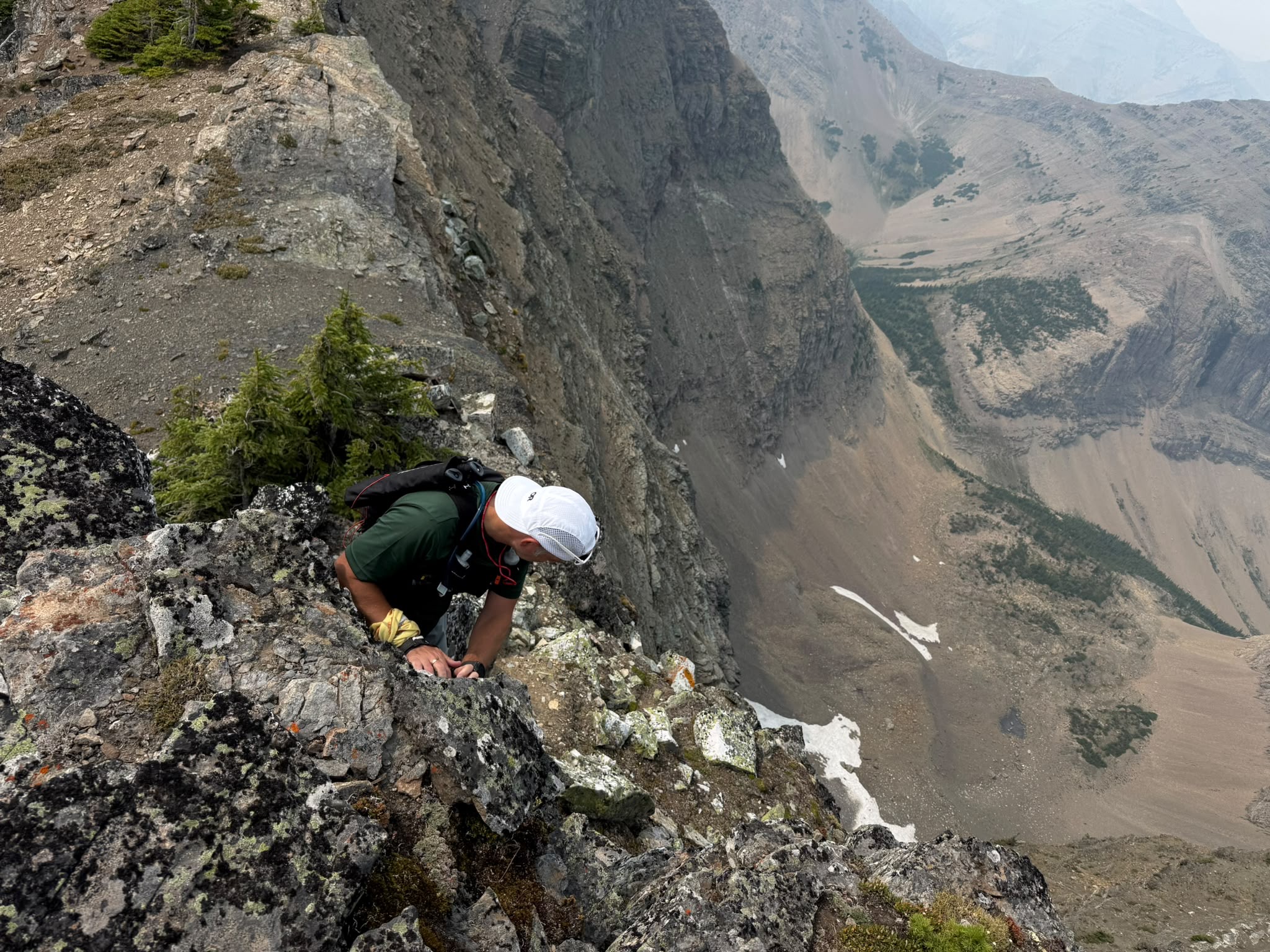
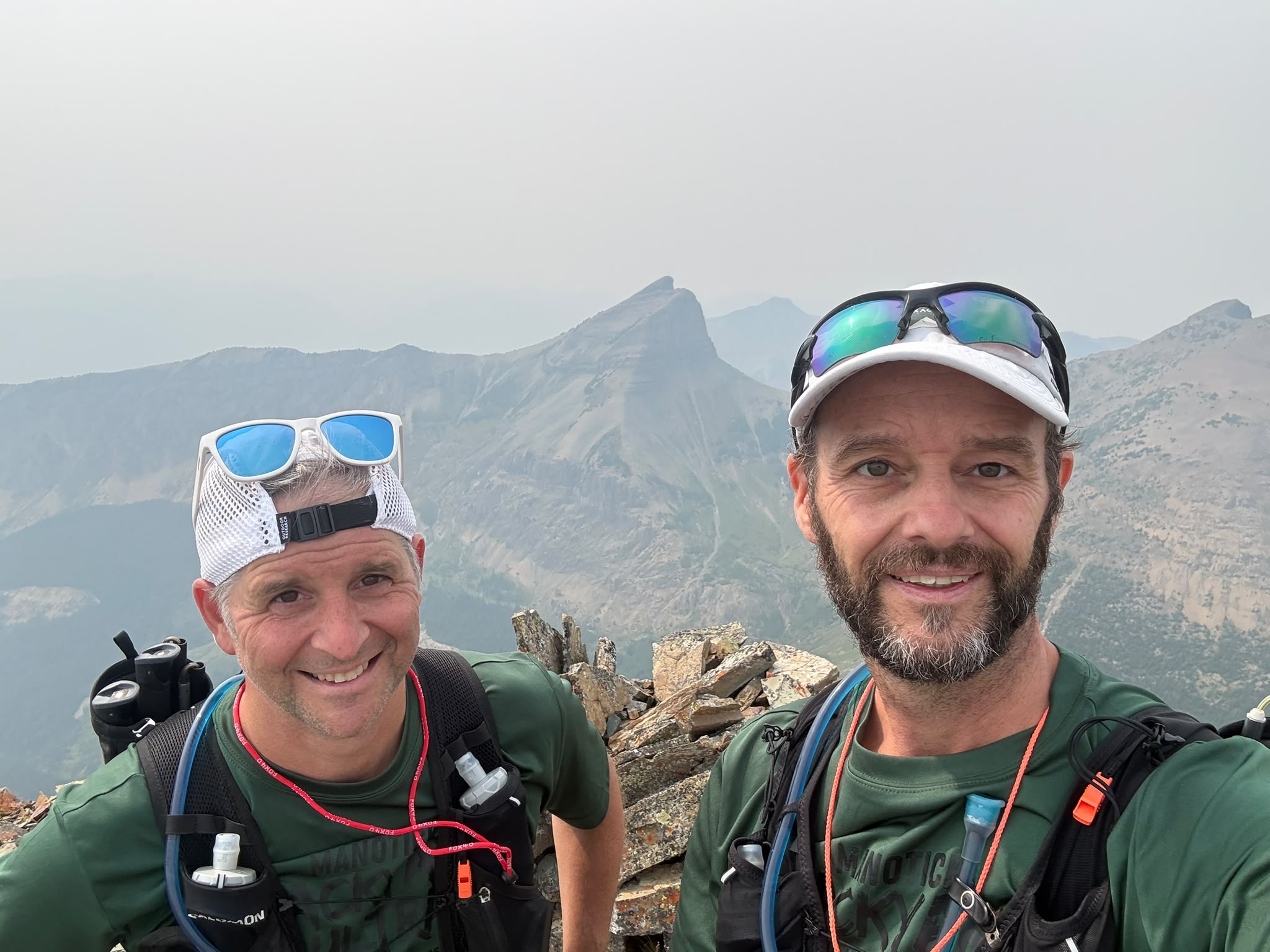
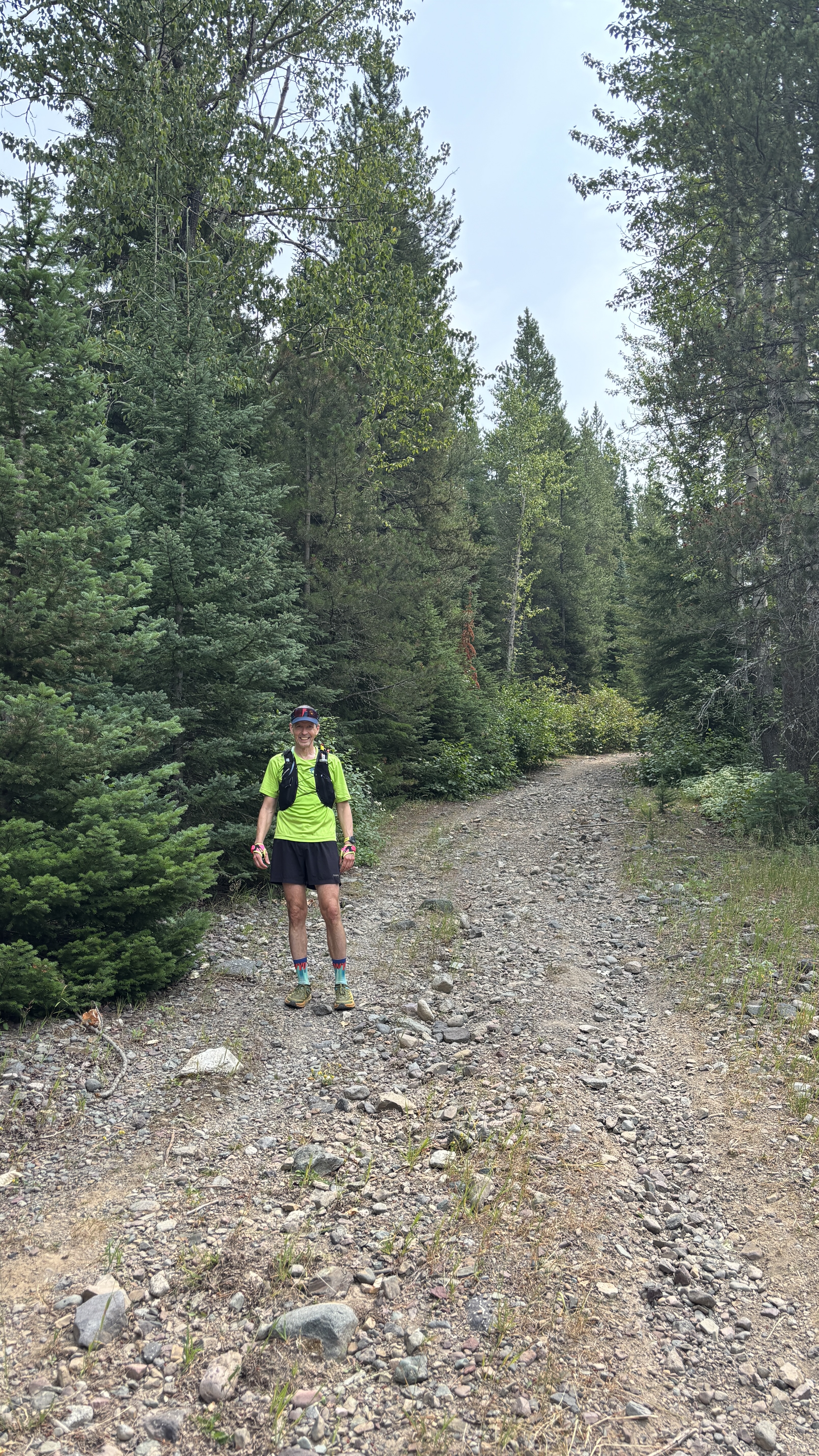
Chris and Matt went high for a pre-race run. Mike and I went low. We ran 15 km through berry fields making as much noise as possible so as not to surprise a bear snacking. Chris and Matt ended up on top of a ridgeline above the trees in a scree field. Both runs were a sign of things to come.
The race organizers were still looking for volunteers, so we all signed up to help at various points along the course. I was slated to run the first and last leg for pacers which made it hard for me to commit to working a shift at an aid station, so I volunteered at Race Kit pick-up. The racers were an experienced looking bunch, and I was surprised by how many of them were planning to run without pacers.
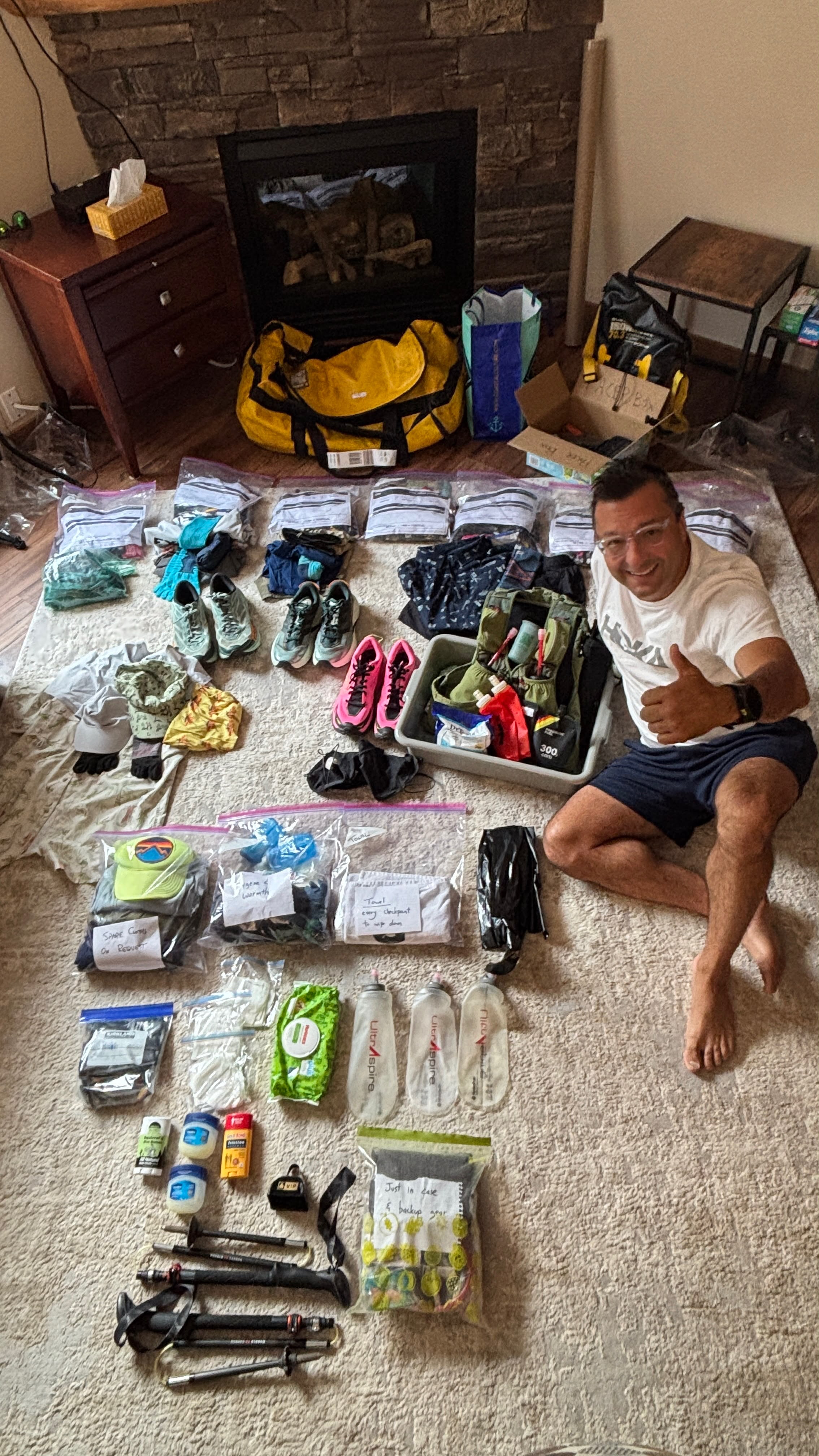
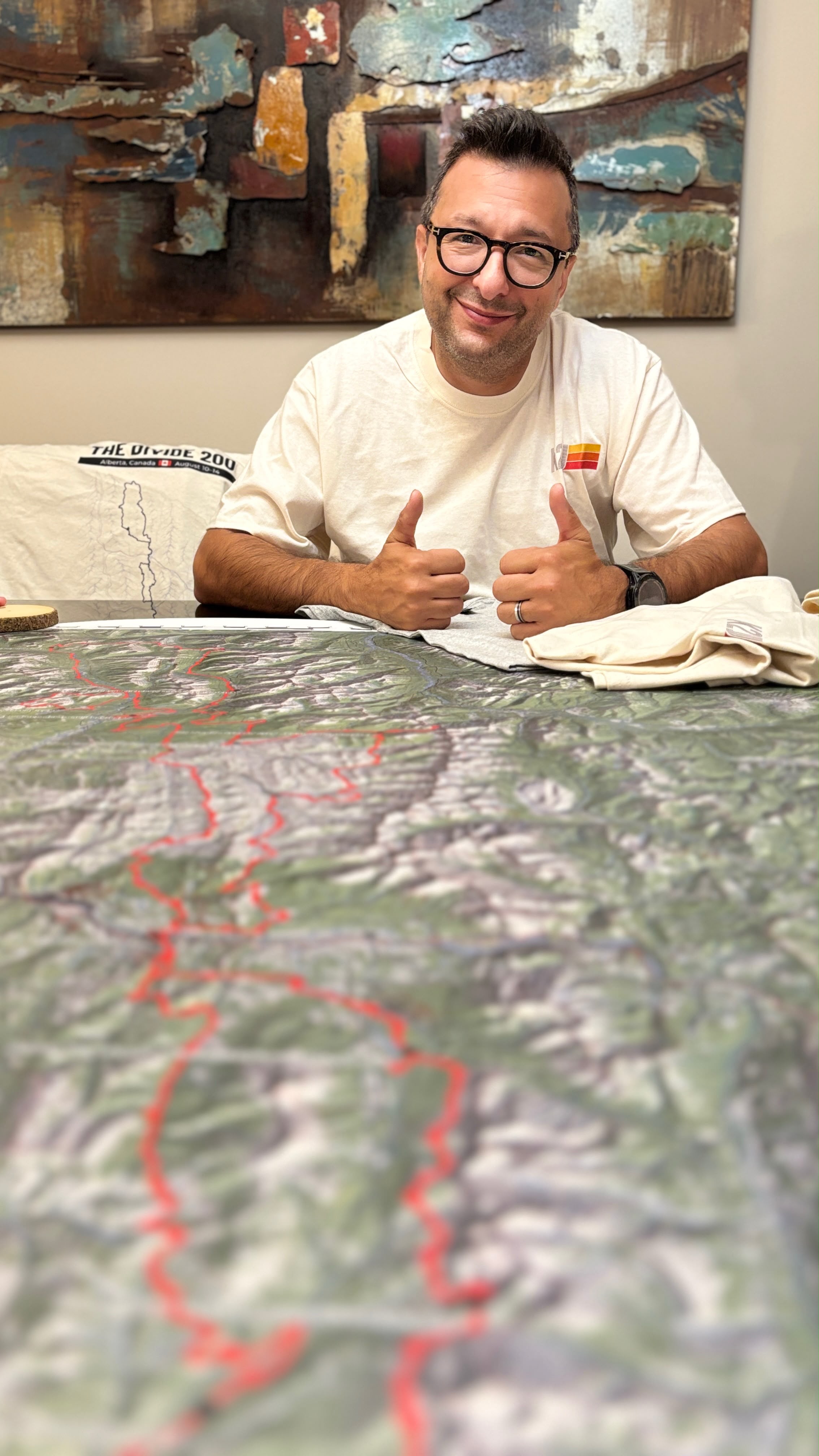
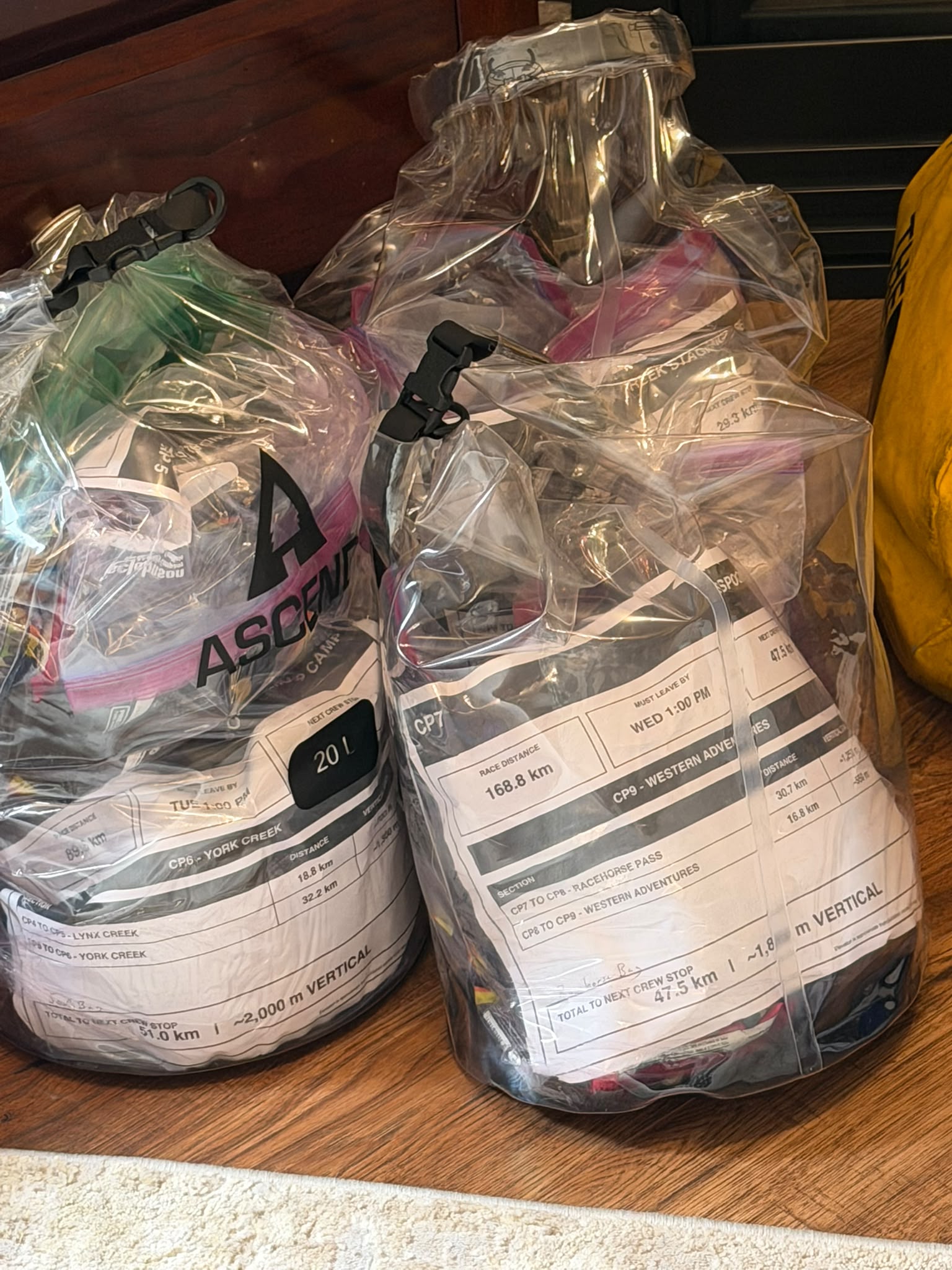
Rudi spent most of the weekend putting things in piles and taking them in and out of drop bags. Drop bags are bags ultra runners pre-pack to be left at aid stations for pick-up along the route. As Rudi had a crew, the drop bags were not really required because the crew would be at all the stations where you could leave a bag. BUT having done this before, we know that it’s better to be safe than sorry. It can be difficult to know exactly where your runner is on a 200-mile course so it is possible to miss them at an aid station. We have never missed Rudi at an aid station but there can always be a first time!
When you run an Ultra nutrition is make or break. Rudi’s plan was to use only Precision Fuel & Hydration between aid stations and to eat as much solid food as possible at the aid stations. He had the exact requirements all figured out. I was a bit sceptical about anyone’s ability to eat that much of the same thing for that long without getting to a point where you just can’t take it anymore. Rudi did get to a point where he could not use the Precision, but he lasted much longer than I expected, and much longer than he has in previous races using other products.
The Race
The adventure started on Monday morning. Mike left before the race even started. He was volunteering at CP1. Things got off to a rocky start. The ATV they were to use to get to the aid station would not stay running. They eventually got out on the trail only to discover that the ATV was too big to cross a bridge, so they had to set the aid station up at 8 km not 13.5 km as planned.
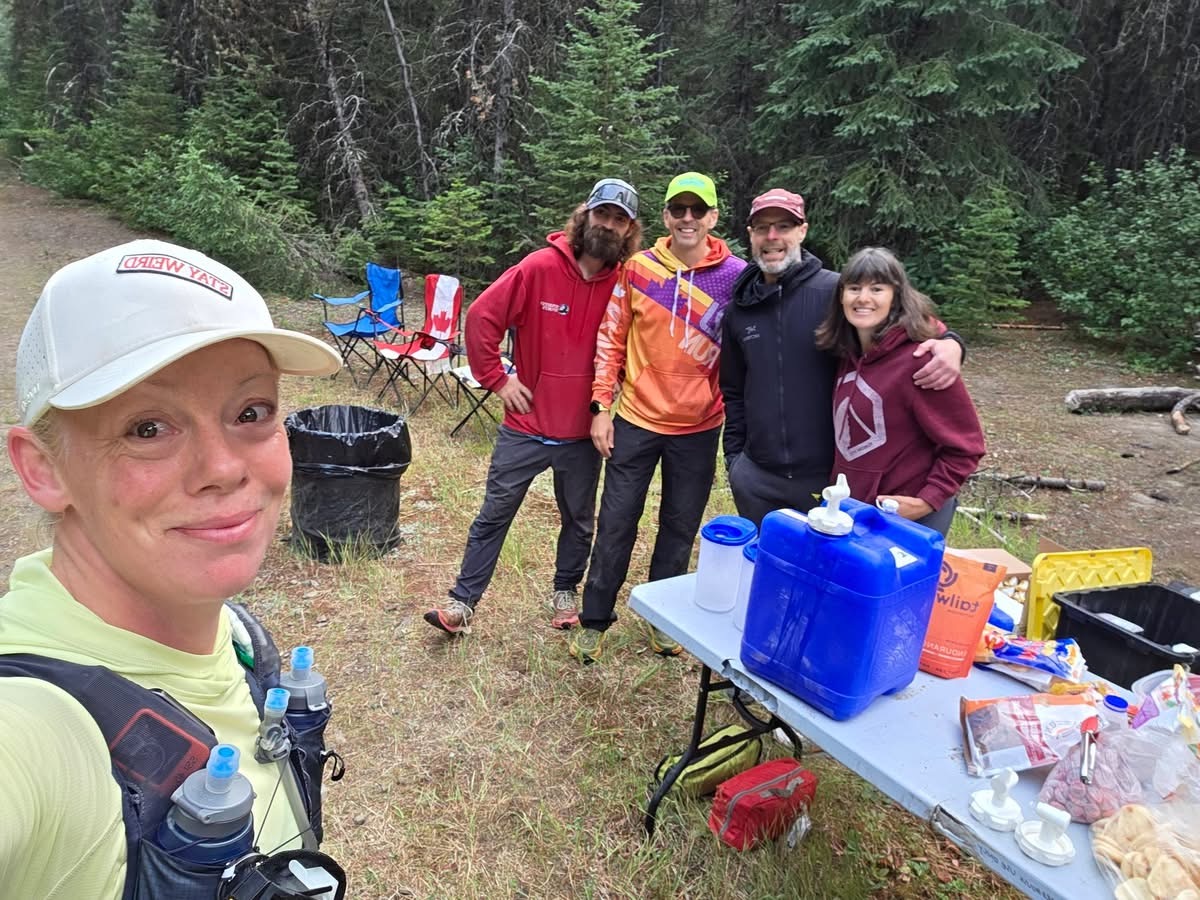
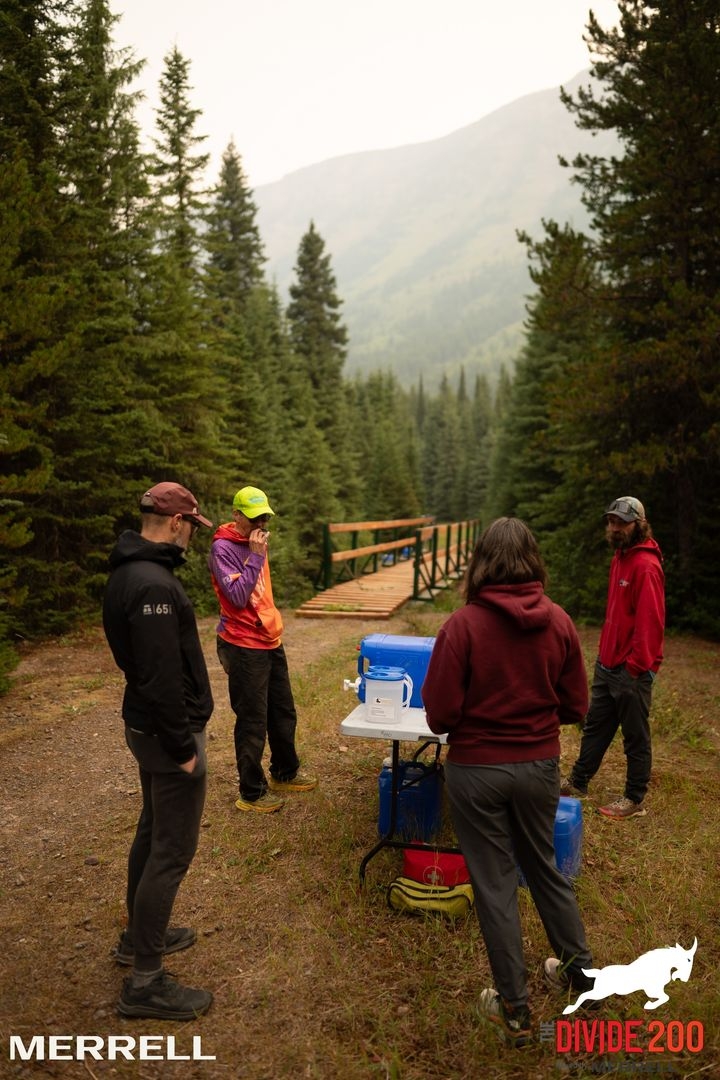
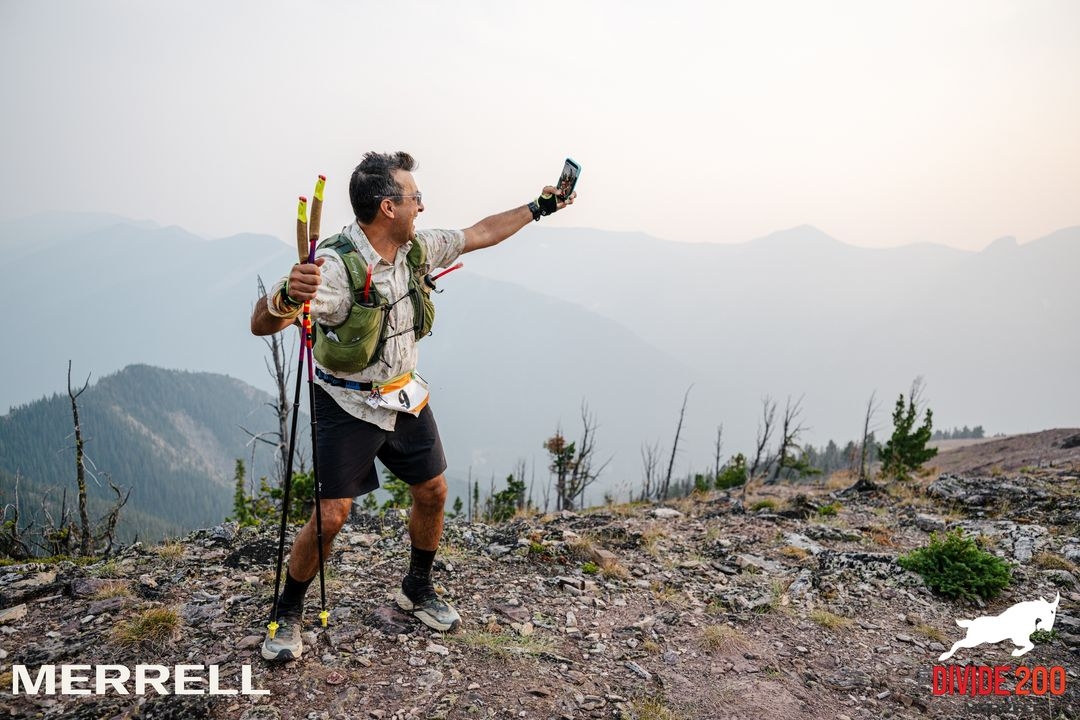
Rudi ran off into the wilds at 8:00 am. We had no idea when we would ever see him again 😊. He did have a Garmin In-Reach provided by the race. It took them a while to get the system working, but once they did, we were able to get regular updates via satellite, so we knew where in the world Rudi was. The In-Reach also had an emergency button so racers could get help from search and rescue. This is the first race where we have had satellite tracking and although it was a little glitchy it did help us to track and find Rudi deep in the Alberta wilderness.
Matt and Chris left next. They were volunteering at CP2 which required a 17 km trip by ATV from the nearest road access point. Their trip was also a bit of an adventure with the trailer falling off the ATV at regular intervals. Search and rescue came to the aid of the ATV with one of their own.
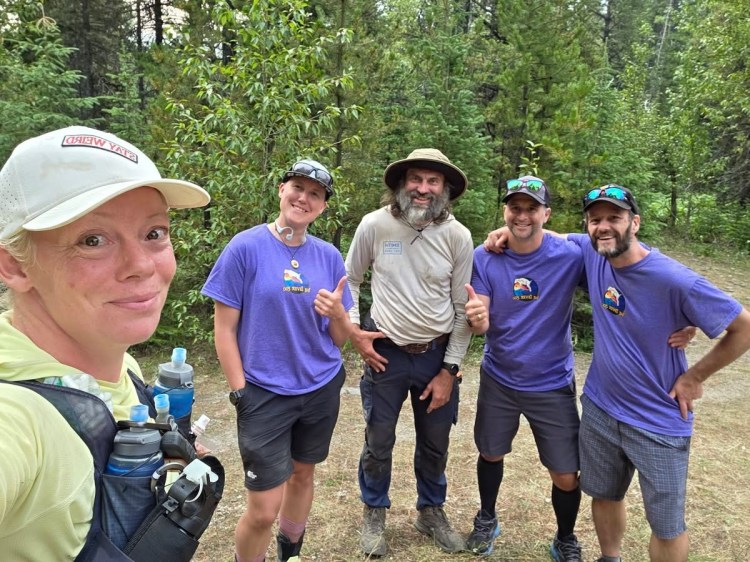
You are not allowed to “crew” at the first few aid stations but having someone volunteering at the first two stations did give us a visual on Rudi’s progress as he passed through.
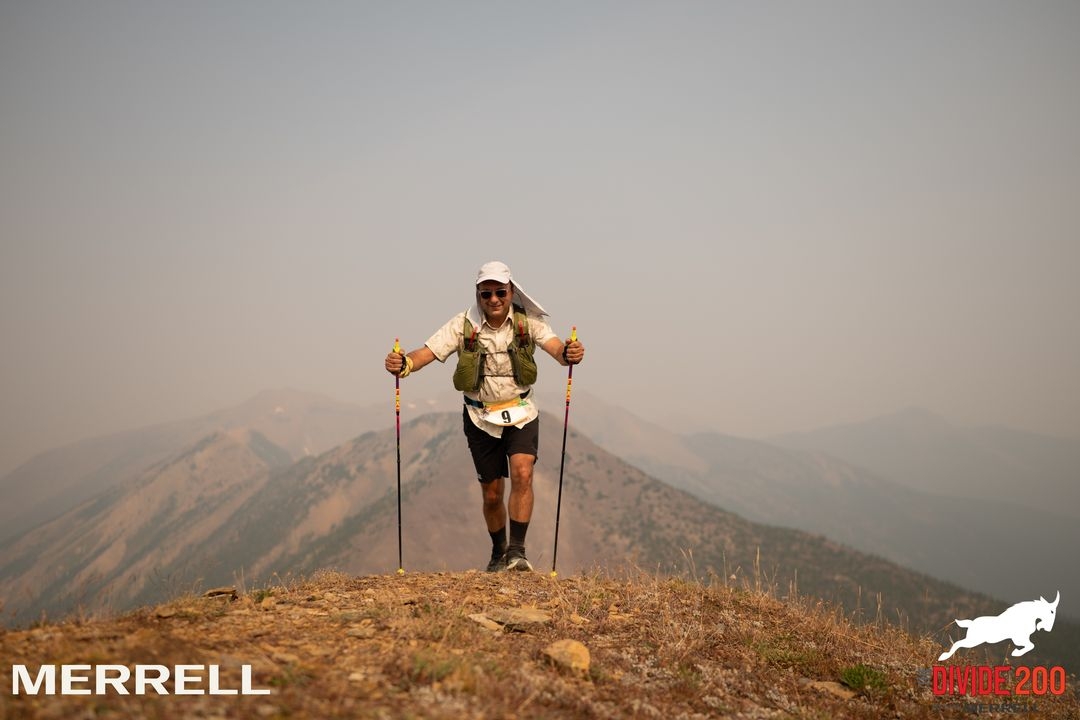
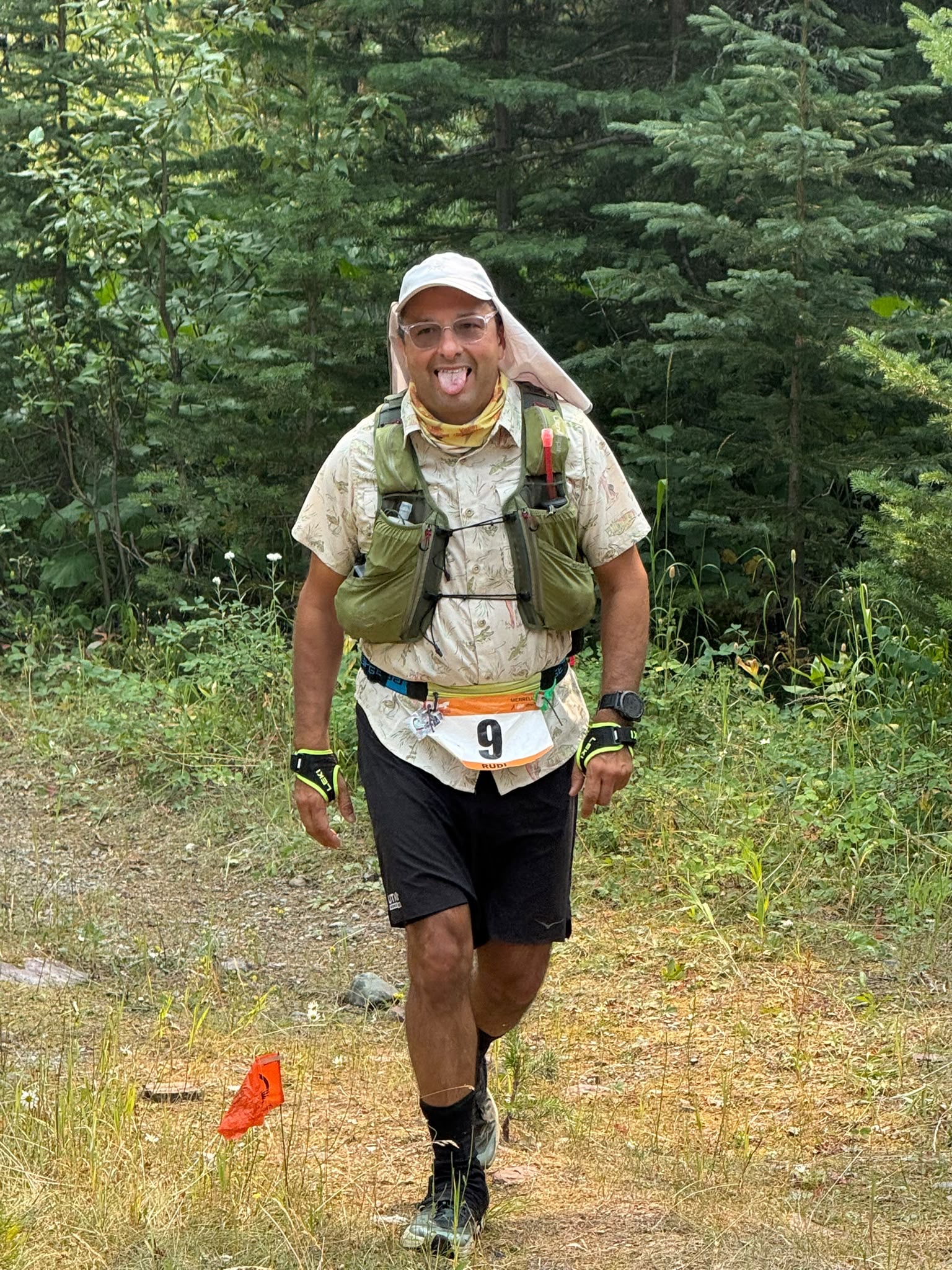
The first checkpoint where we were able to “crew” for Rudi was CP3, 71 km into the race. This was also the first check point with a cut off. Rudi arrived at 10:47pm on Monday night having run for almost 15 hours. He was well under the cut off of 6:30 am Tuesday morning.
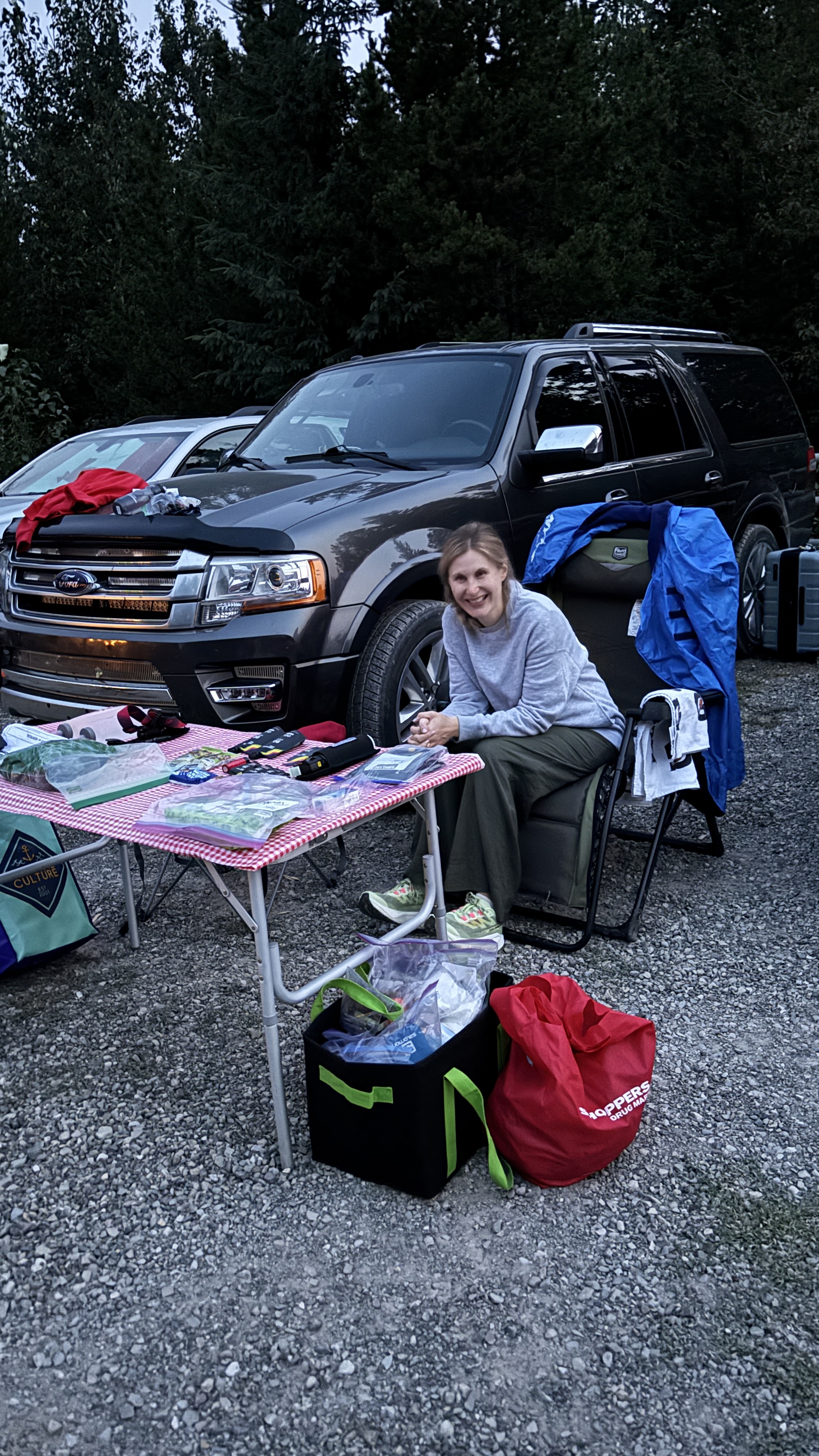
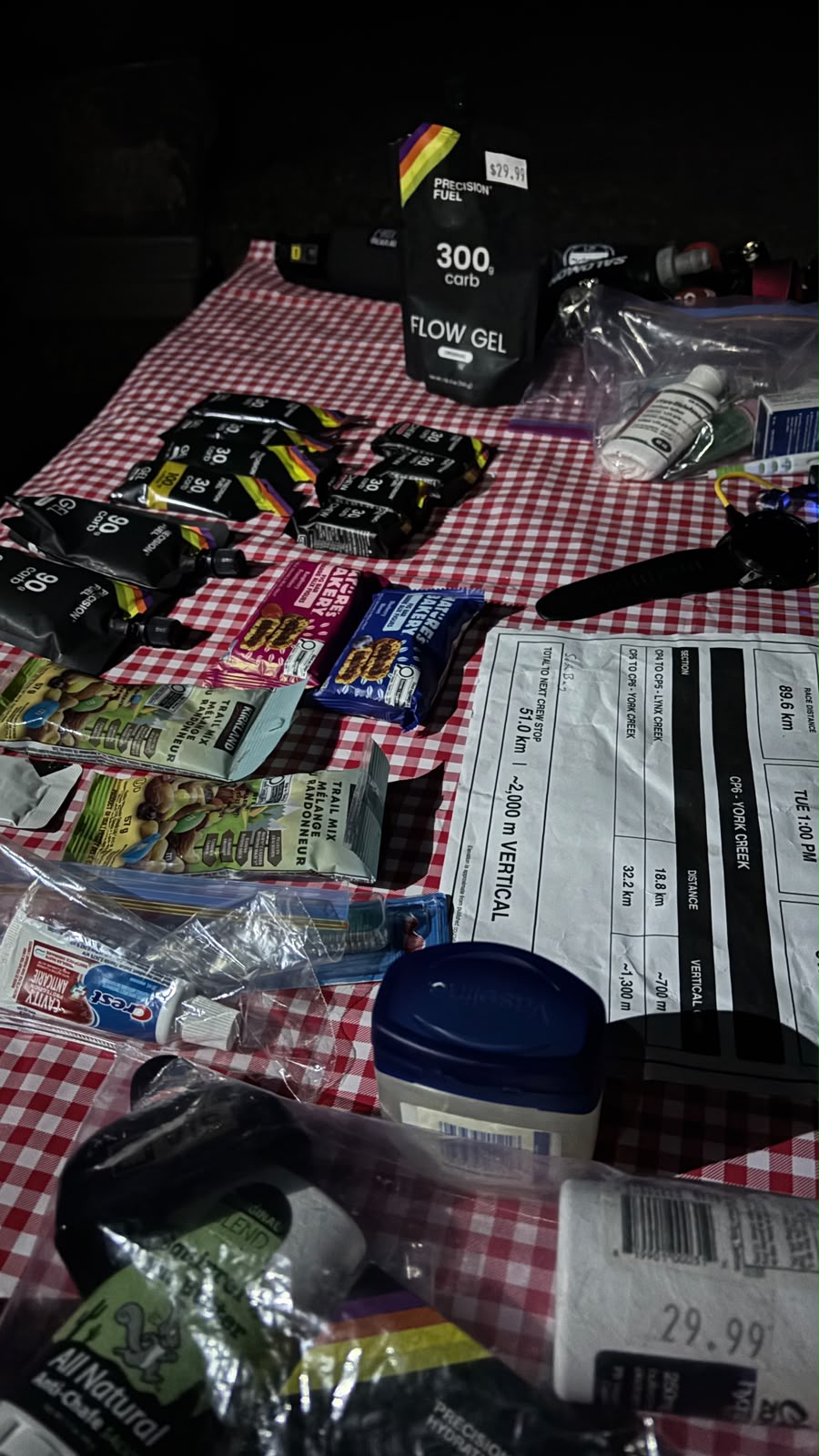
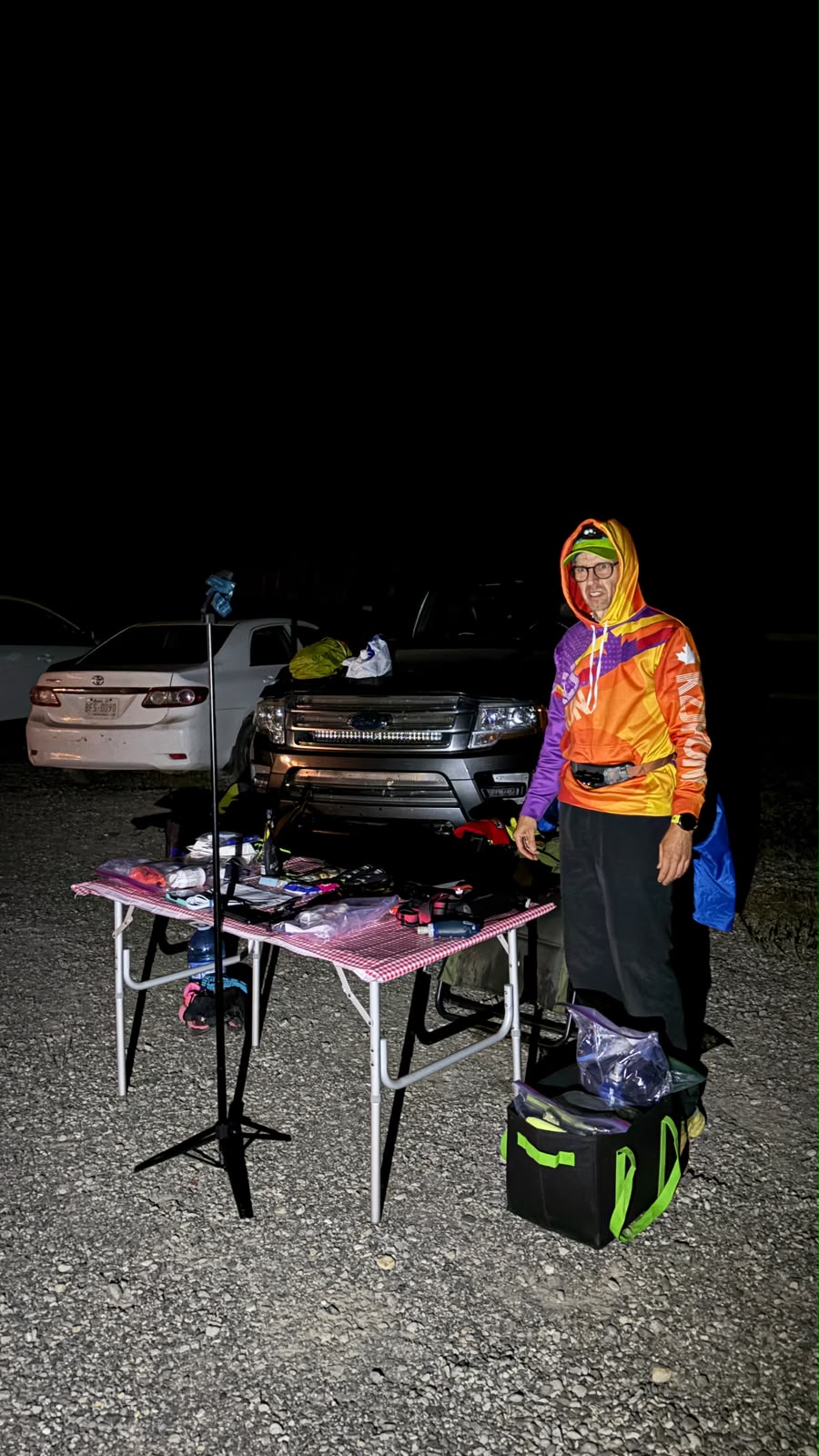
Rudi had quite the set-up. I am pretty sure he had the biggest crew. We met him with a gravity chair, a tub to soak his feet in Epson salts and mouth wash (the Epson salts I get, not sure why the mouth wash?), shoes, socks, clothes and various lubes! Between us we would take off his shoes and socks, put new ones on, refill his pack, and provide whatever other services were required. We did lube his feet, but lubing other areas was left to him!
Many of the aid stations for this race are quite remote so it’s an hour plus drive in and out. You also never know exactly when your runner will arrive. This makes crewing one checkpoint a 3-4 hour adventure. Between us we had two rental cars with four-wheel drive and a farm vehicle which had a mattress with bedding in the back so Rudi could sleep along the course. The Farm vehicle got the most use with Harold doing most of the driving.
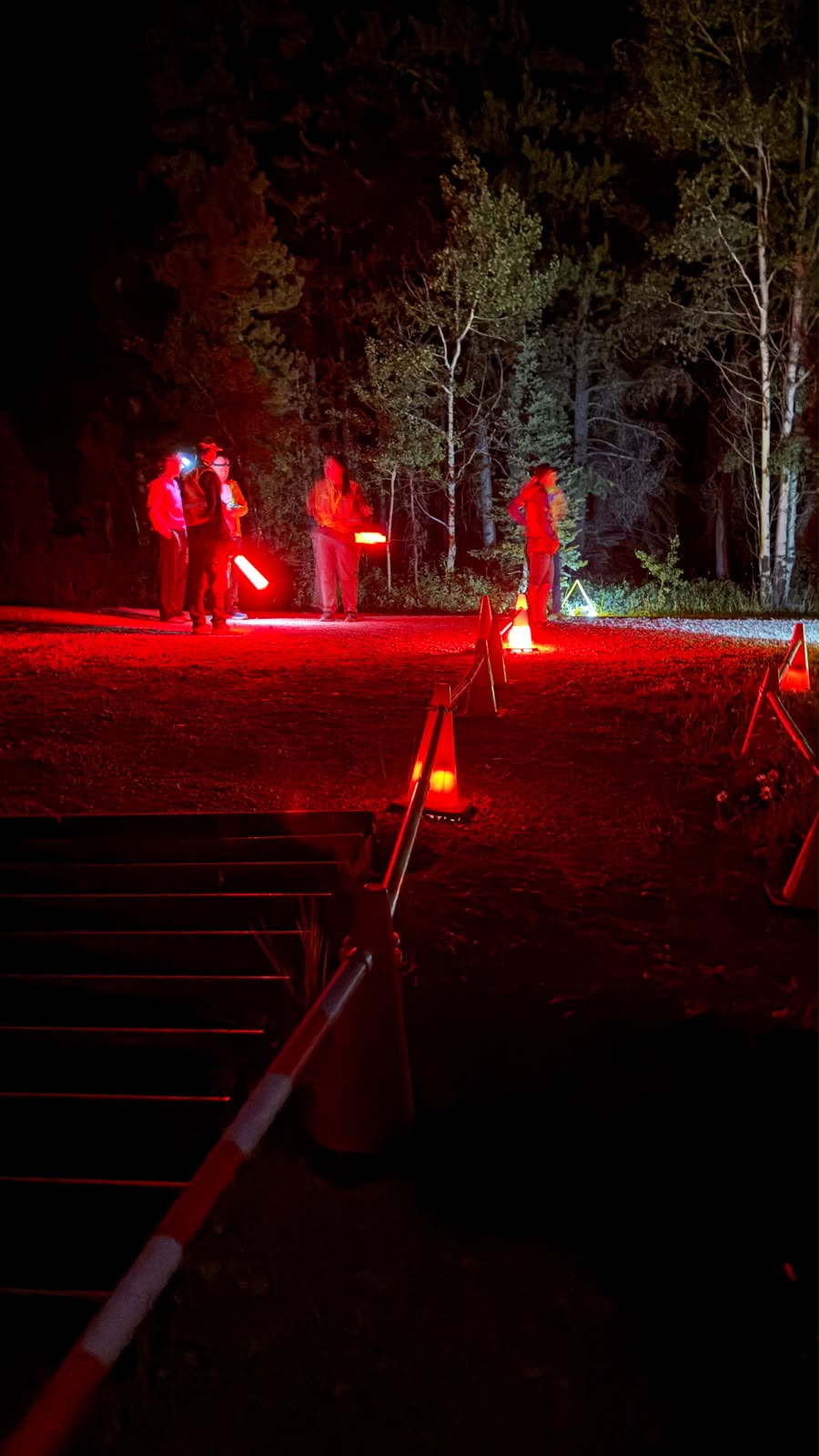
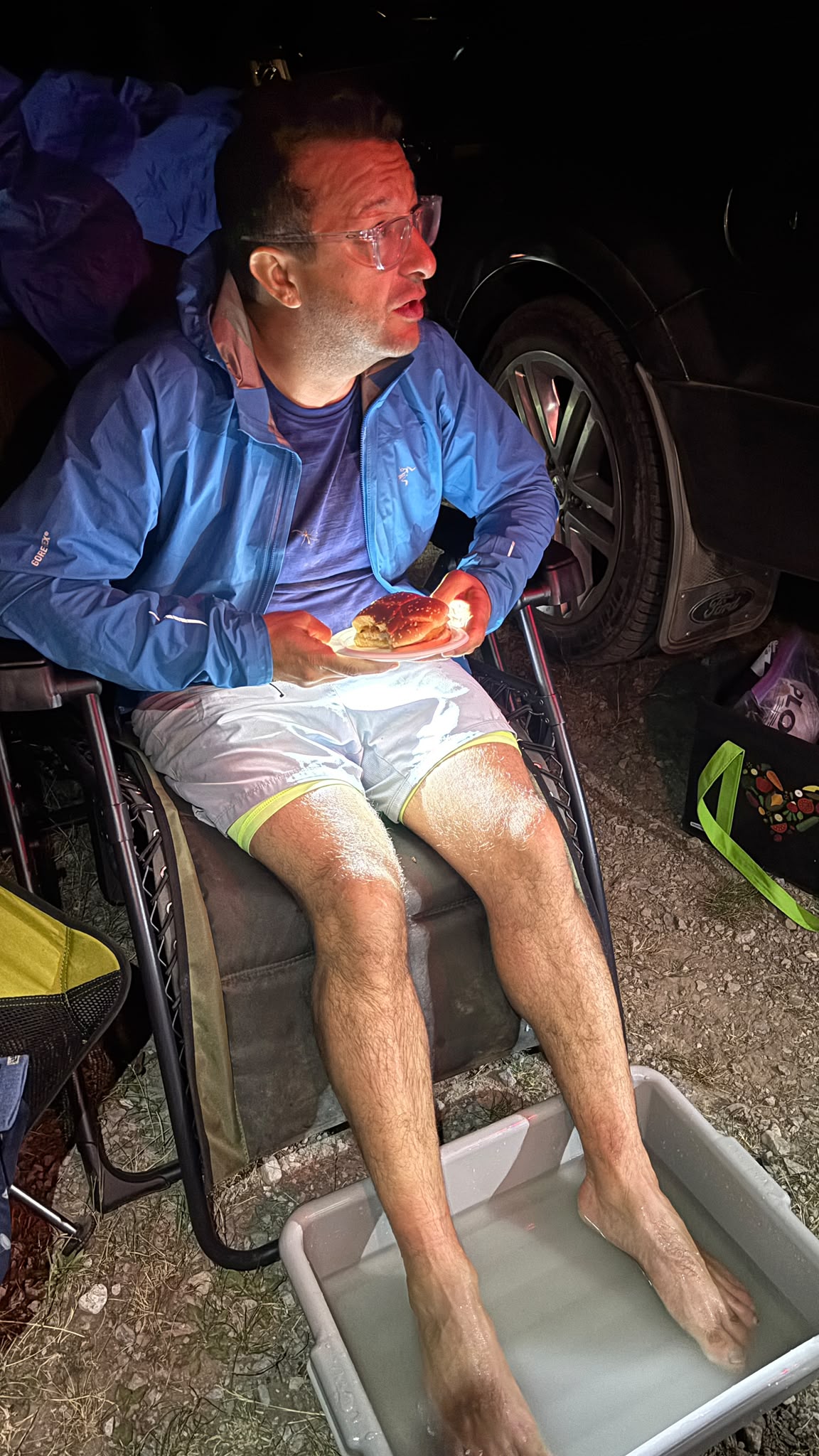
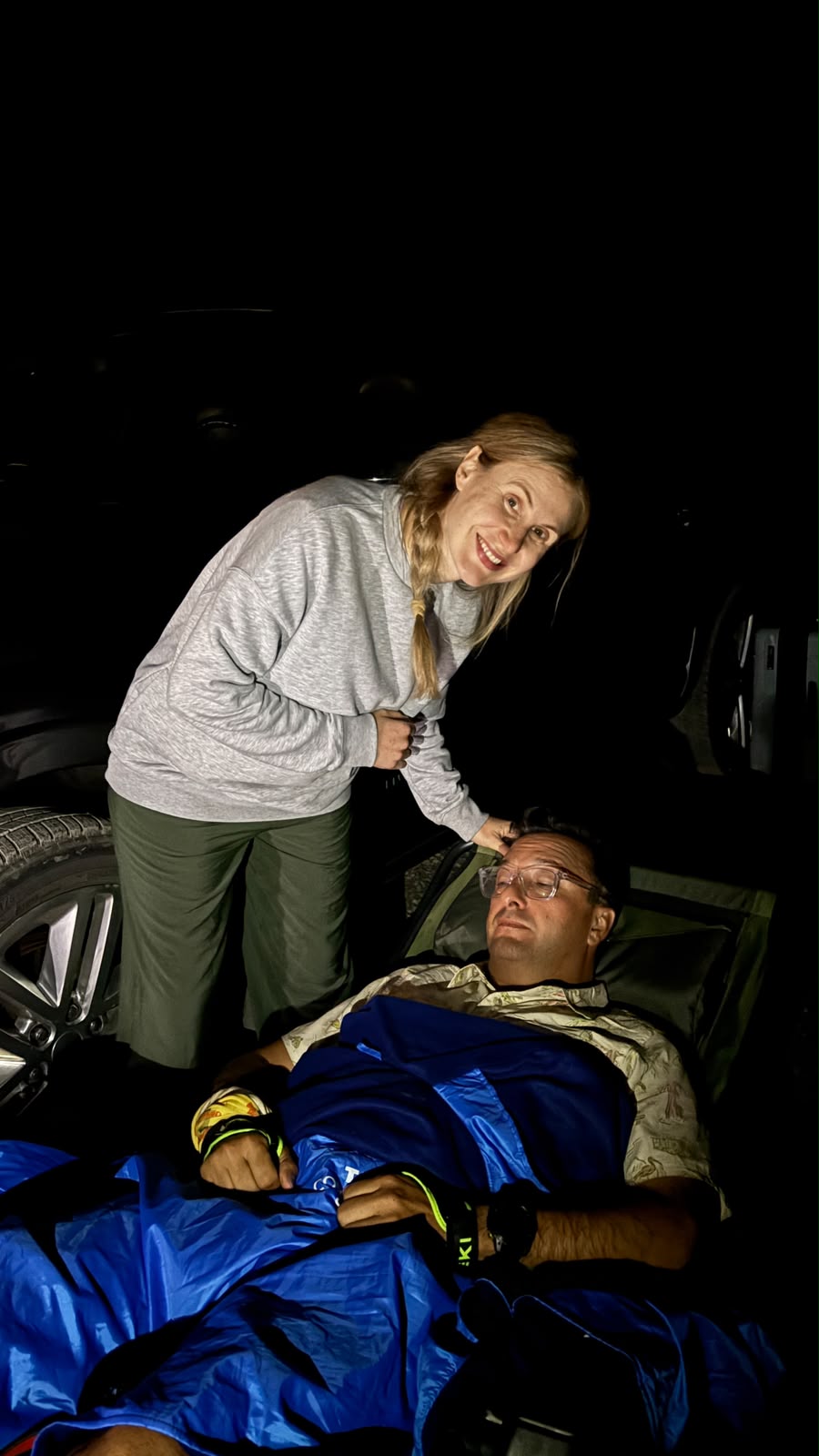
When we met Rudi at CP3 he told us that was the scariest run he had every done and there were times when he was concerned, he was going to fall off the mountain and die! He was very happy to be off the mountain ridge before dark. The first part of the course is supposed to be the hardest!
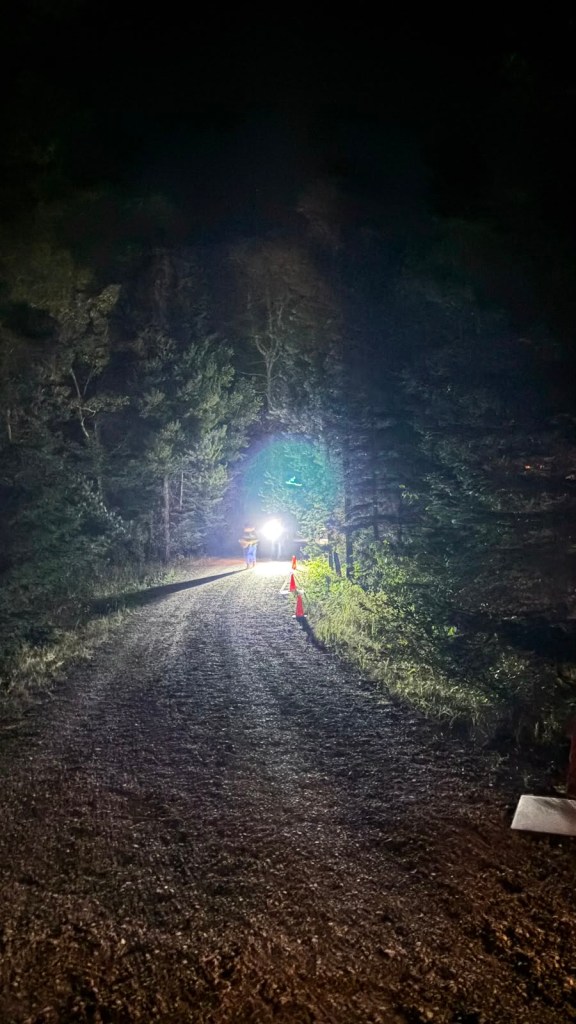
Rudi ran off alone into the night to run 20.5 km to the next checkpoint. We returned to “advance base camp” a rental cabin in Coleman. A bit of a tight fit with seven adults and a 2-year-old in two bedrooms but luckily a few of us were almost always out on the route. Kyla could not really run but she made sure everyone had lots to eat. She even made fresh quesadillas for Rudi in the middle of the night.
The crew went back out to meet Rudi at CP4, 91.5 km into the race. He arrived at 2:56 am on Tuesday morning. Still well ahead of the cut off of 1:00pm on Tuesday. This was Rudi’s first overnight of the race. He had not slept. He spent an hour in the truck bed but could not sleep. He headed out to run to CP5 17 km away. That checkpoint was not crewed so he would not see us again until CP6 which was 46km away.
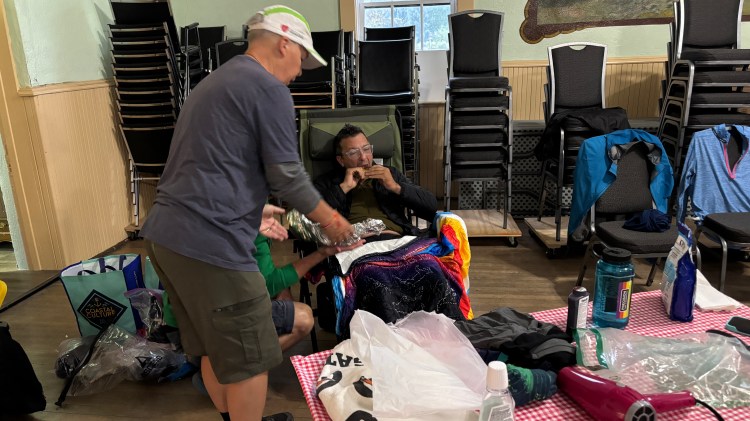
CP6 was at the Polish Hall. The only indoor checkpoint of the race. It was quite close to our advance base camp. Debbie and Kyla both did volunteer shifts at the Polish Hall. Kyla did an overnight shift while Liam was sleeping. We were all there to greet Rudi when he arrived at 2:25 pm on Tuesday. Rudi was fed, changed and lubed. Someone described it as like “visiting a friend in hospital”.
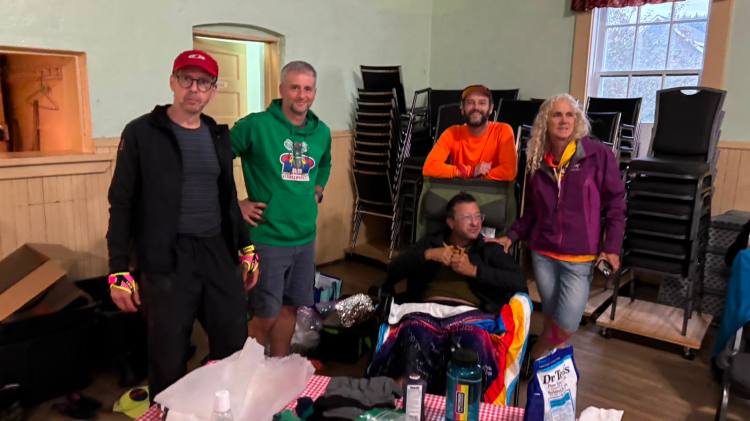
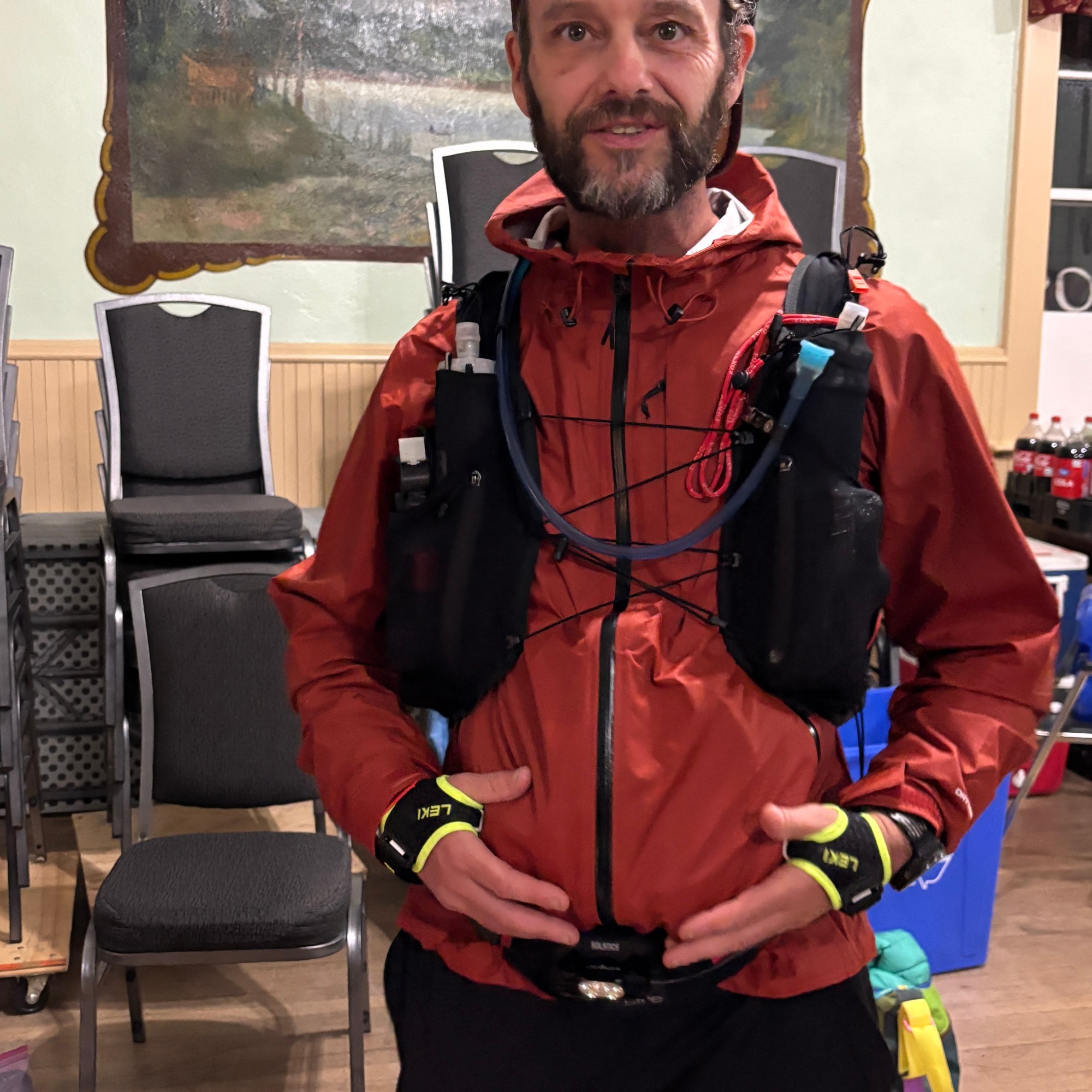
This was the point where pacers were allowed so Rudi and I left together at 3:23pm. We were well ahead of the cut-off of 4:00 am on Wednesday. We ran the next 27.30 km together. It started with a nice little path through the forest but over the next 7 hours and 48 minutes we climbed 1323m and descended 910m. It was a primarily backwoods trails with a few km on logging roads which are only “roads” if you happen to be in a large logging truck with a very high wheelbase.
We went up and down some of the steepest trails I have ever done. Much steeper than the previous UTMB races. I now understand why poles are mandatory gear for this race. Much of this event falls into the “not runnable category” unless you are an elite superstar!
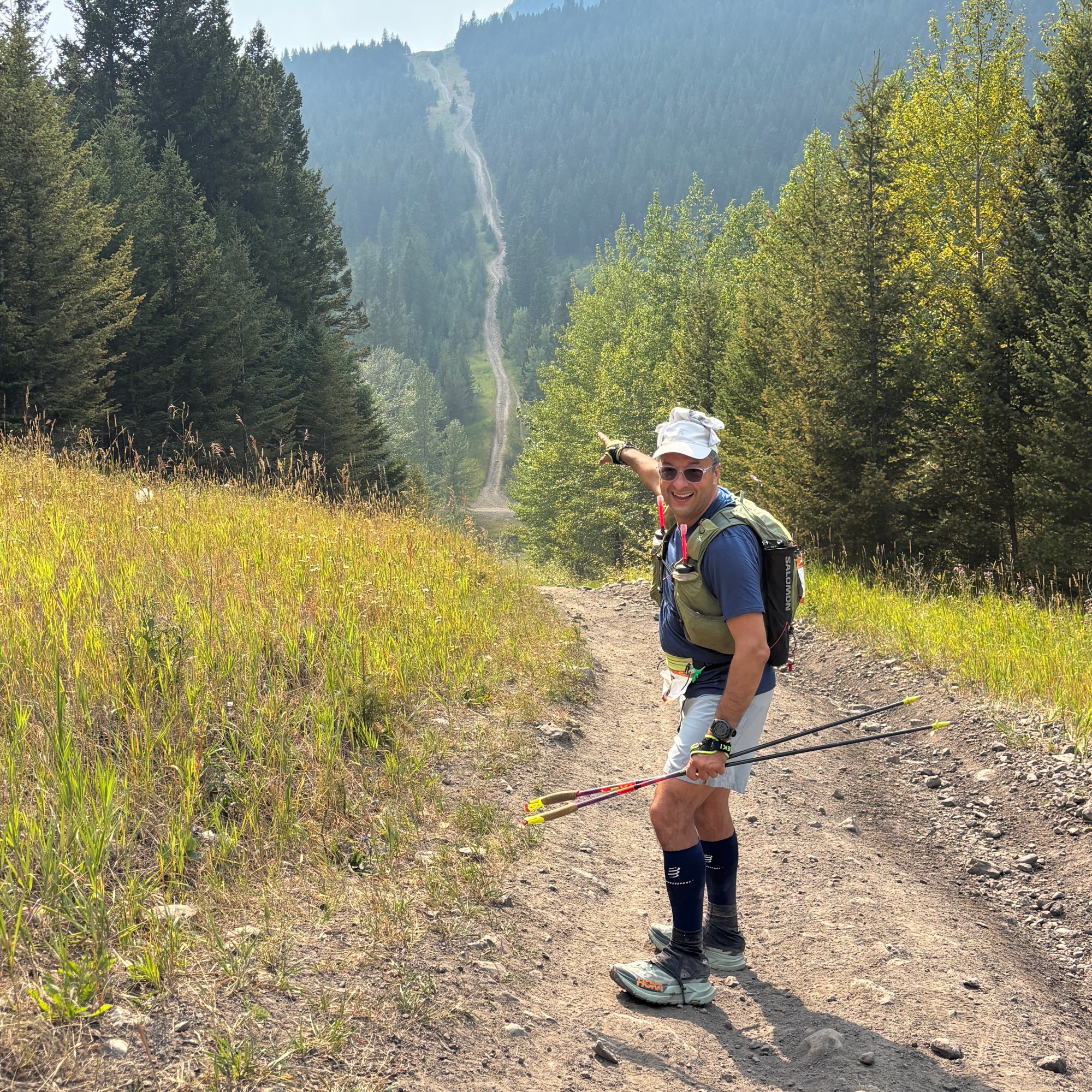
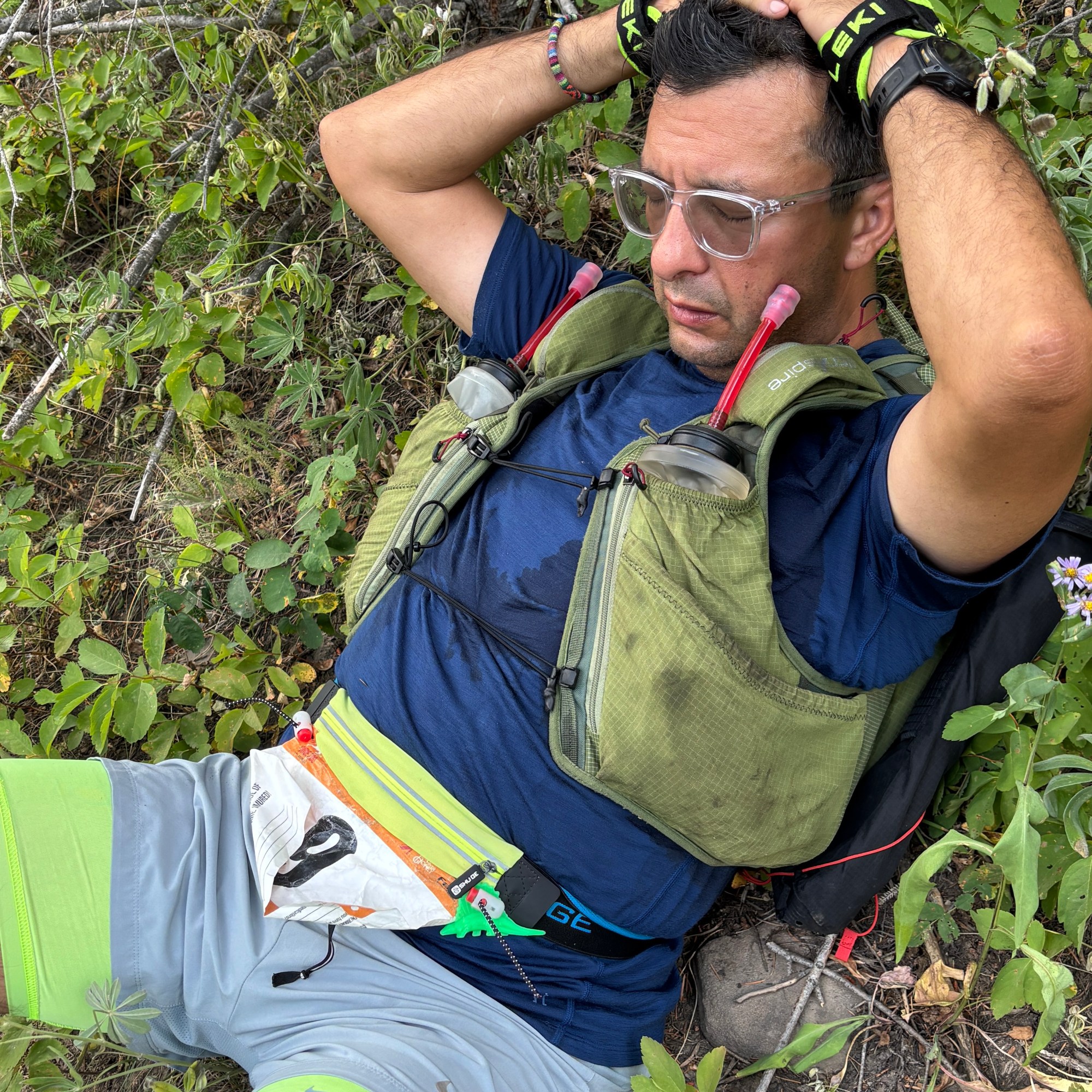
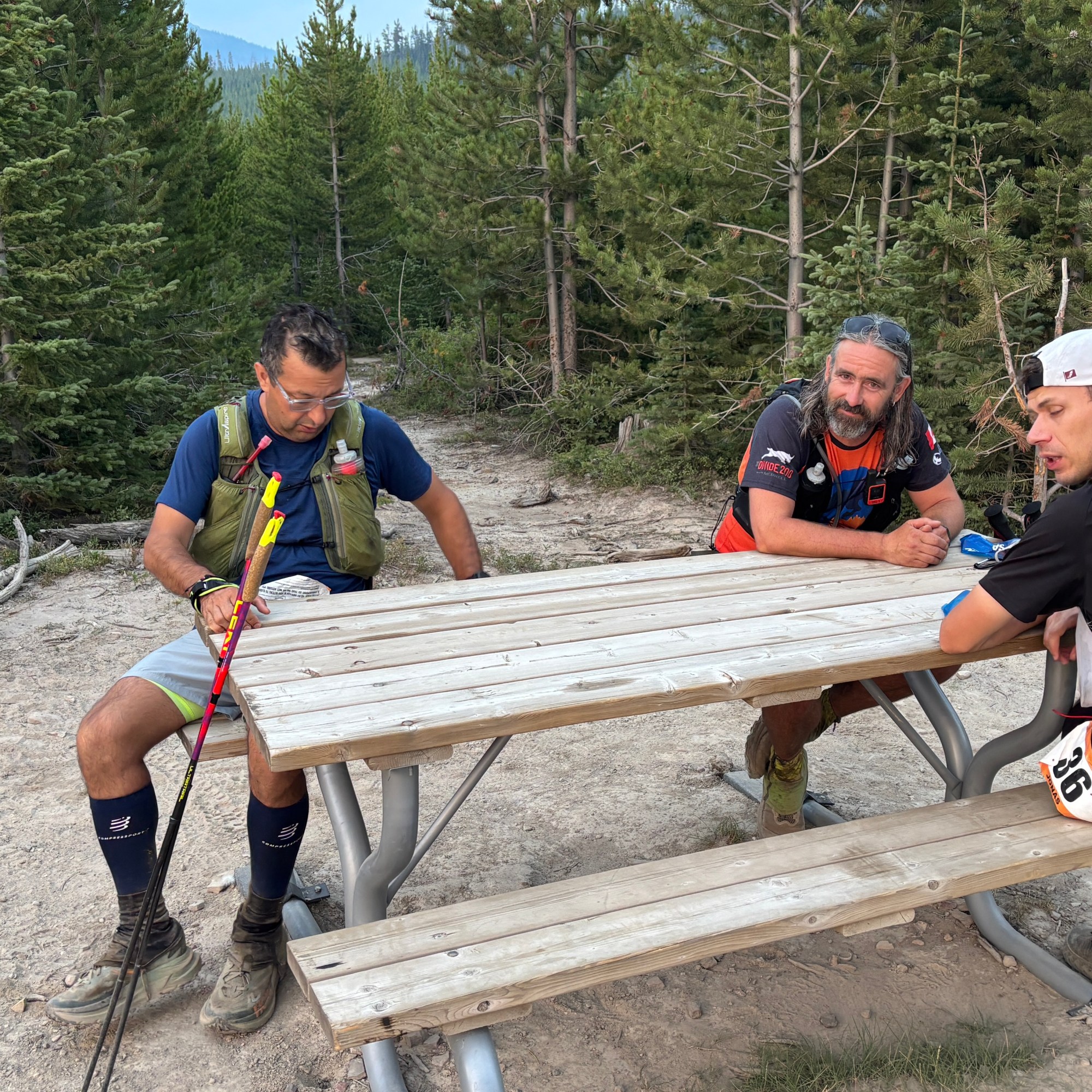
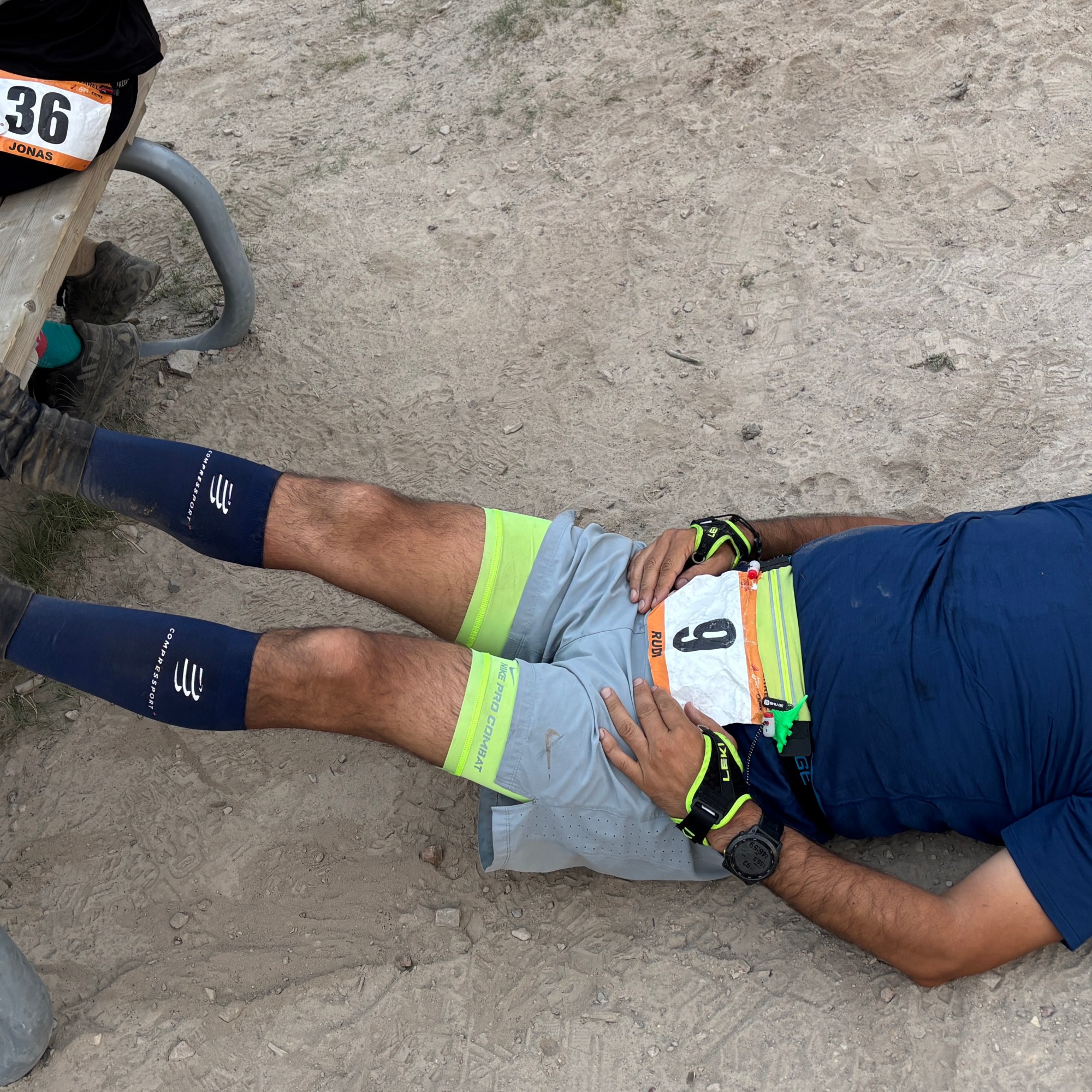
We met two other racers in the almost 8 hours we were on the trail. We also found a picnic table on top of a climb in the middle of nowhere.
With 27 km between checkpoints we had to stop and filter water from streams along the way. Rudi had a Salomon XA soft flask filter which worked so well I came home and bought one. We all drank filtered water and had no issues.
Bears were always on my mind. We were carrying bear spray, an air horn and whistles. The bear spray was not mandatory but recommended if you knew how to use it. Rudi bought two cans of spray, one for him and one for the pacer. None of us have ever used it before but we practiced the basic moves before the race. The locals were carrying it so we did too. The basic message about bears was as long as they hear you coming it’s unlikely there will be an issue. But it was quite likely we would see a bear or two. I am happy to report although I saw four bears on this trip. I did not see any while running. I talked, shouted and even sang at regular intervals particularly after dark.
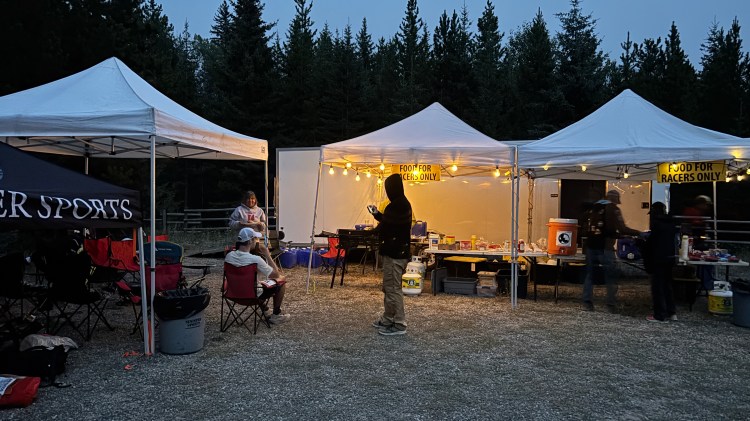
We arrived at the next checkpoint at a little past 11:00 pm. Chris and Harold were there to meet us after a somewhat “exciting” drive down a logging road into the middle of nowhere. We were very glad we had the Farm vehicle. The rentals would not have made it and someone else’s rental did not. The pacer in that car missed their runner and the previous pacer had to decide if they were going to run another 49km for a total of 76km or send their runner off alone. I don’t know how that worked out.
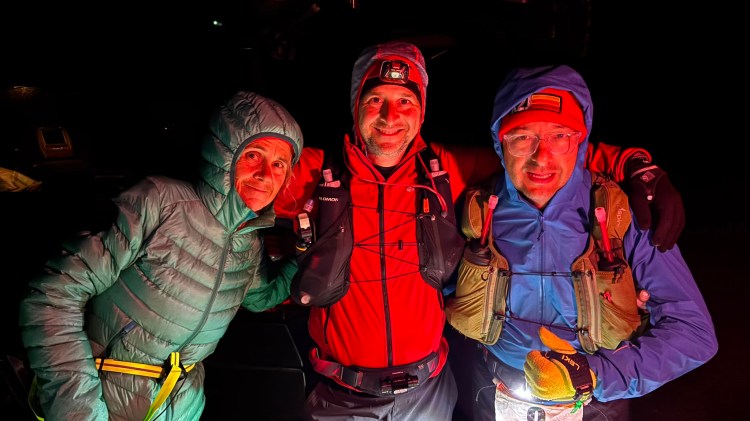
Rudi tried to sleep at the checkpoint, but it did not last long even with his truck bed all set-up. We sat by the fire to keep warm, and I had a mighty fine chicken burger prepared by the checkpoint volunteers. Chris and Rudi ran off into the darkness at around midnight while Harold and I navigated the logging road back to advance base camp. We got home at 3:00am and quietly entered so as not to wake anyone. Kyla returned form her overnight shift at about the same time and everyone else wanted an update so we had a 3:00 am get together with snacks in the kitchen.
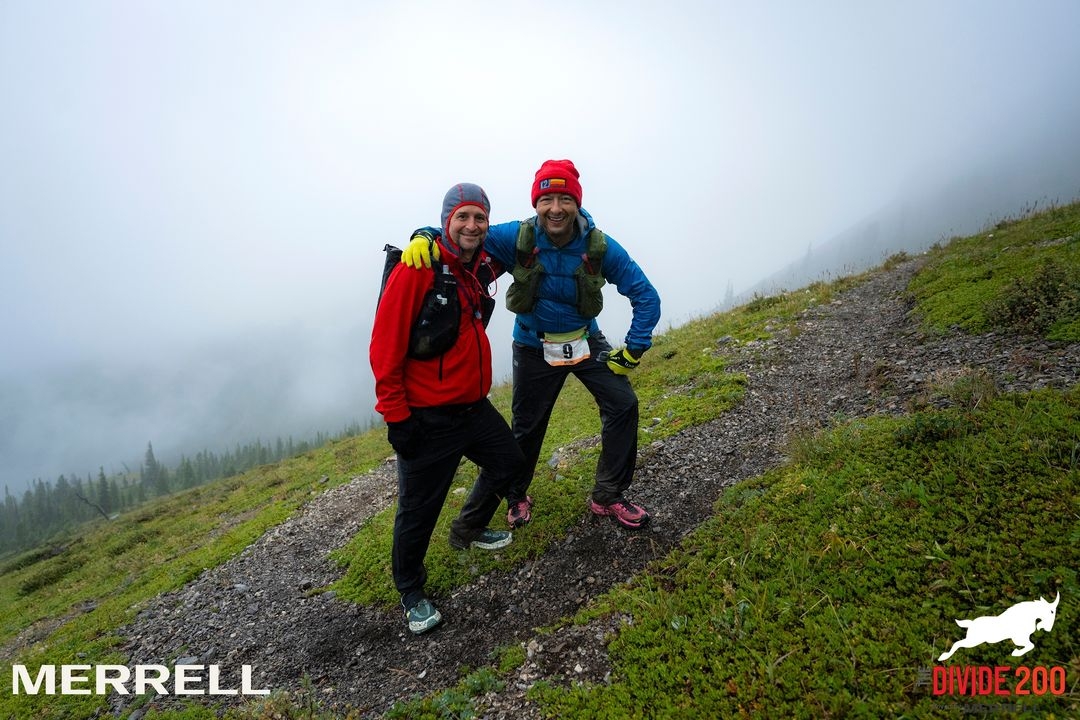
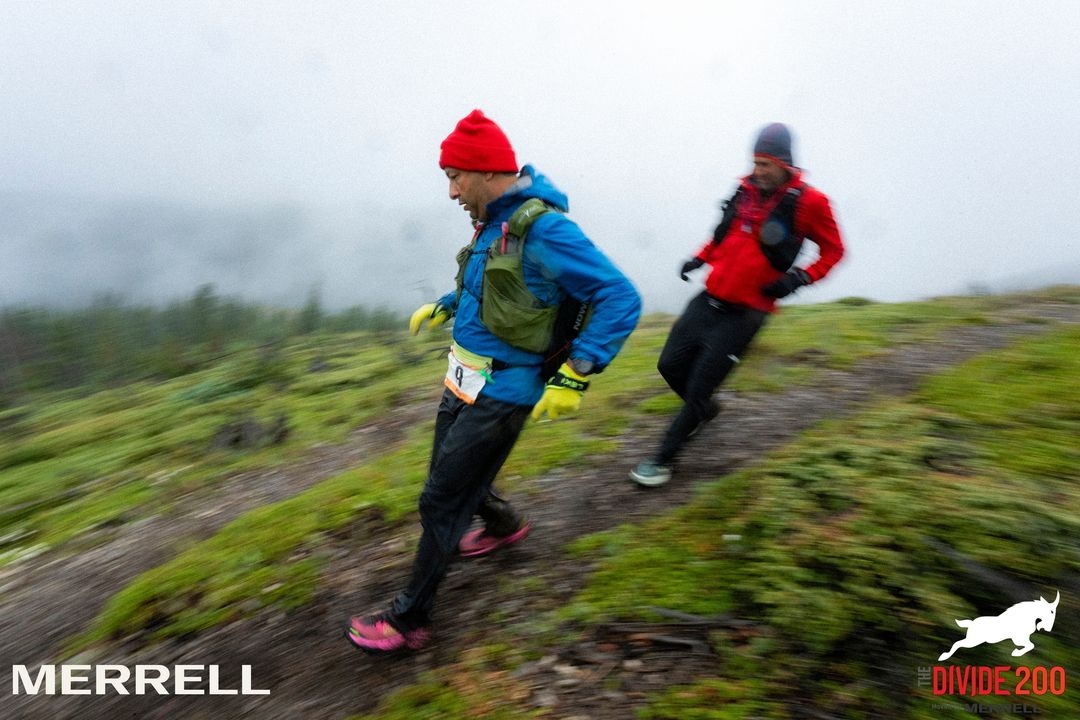
Chris and Rudi ran the next 49 km alone. Passing through one remote checkpoint with no crew access. They arrived at CP9, 214 km into the race at about 3:00pm on Wednesday after running together for 15 hours.
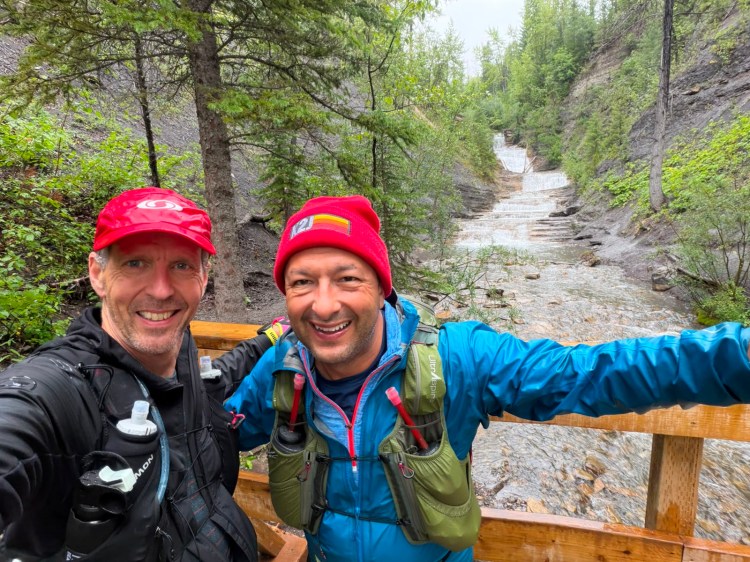
Mike took over at that point and the two of them ran back to the Polish Hall which is also CP10. They arrived at around 9:00pm on Wednesday. Rudi tried to sleep once again but it did not last long. There were racers with no pacers arriving and looking hopefully for someone to pace them for the last 90km. A big ask but I can understand why they were looking for a buddy.
CP10 is a big checkpoint psychologically. The course is a figure 8 and once you hit the Polish hall for the 2nd time you really are on the way home. You also have “less than 100 km” to go which is a somewhat crazy thought! I am not sure what time Rudi left but it was before midnight when Rudi and Matt headed off to run almost 65km with two checkpoints and no crew. They were well ahead of the cut-off of 11:00 am on Thursday.
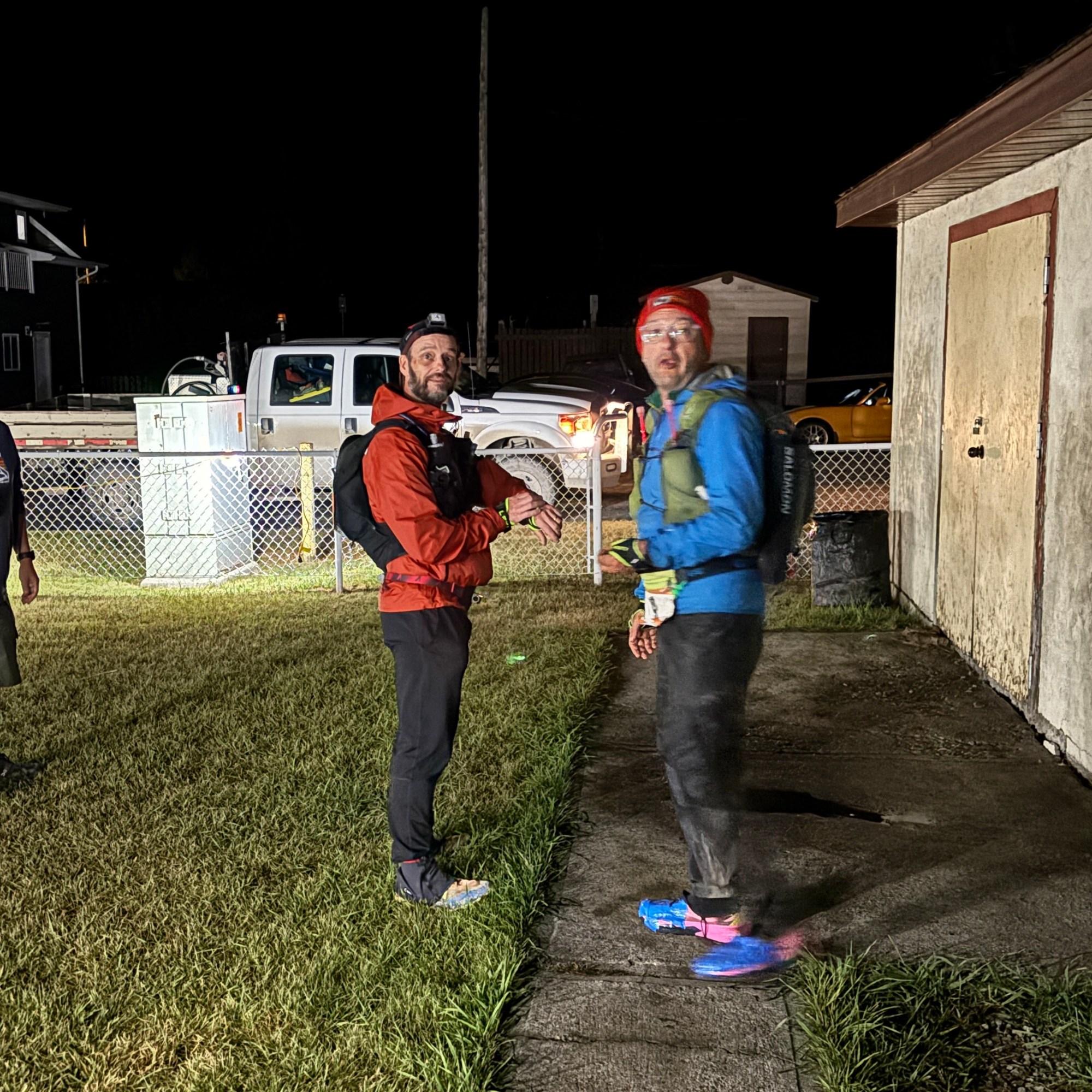
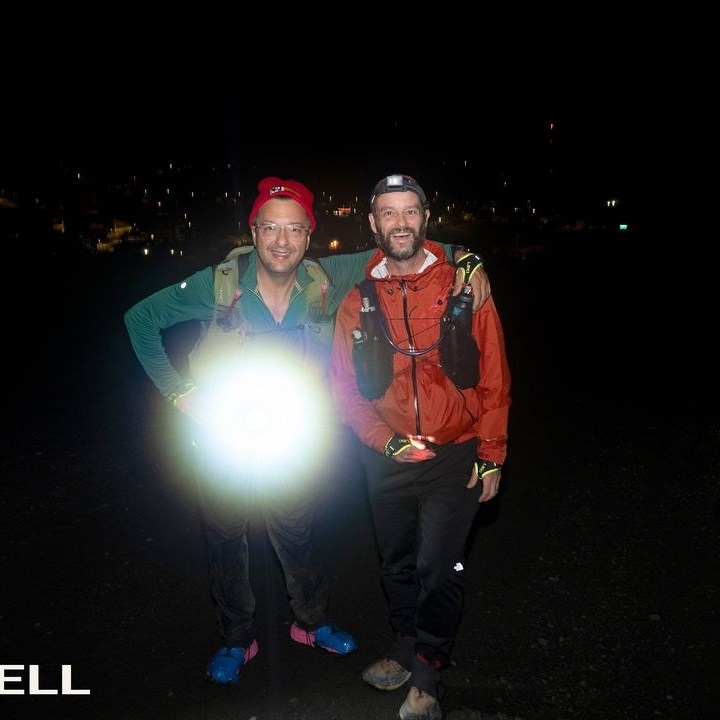
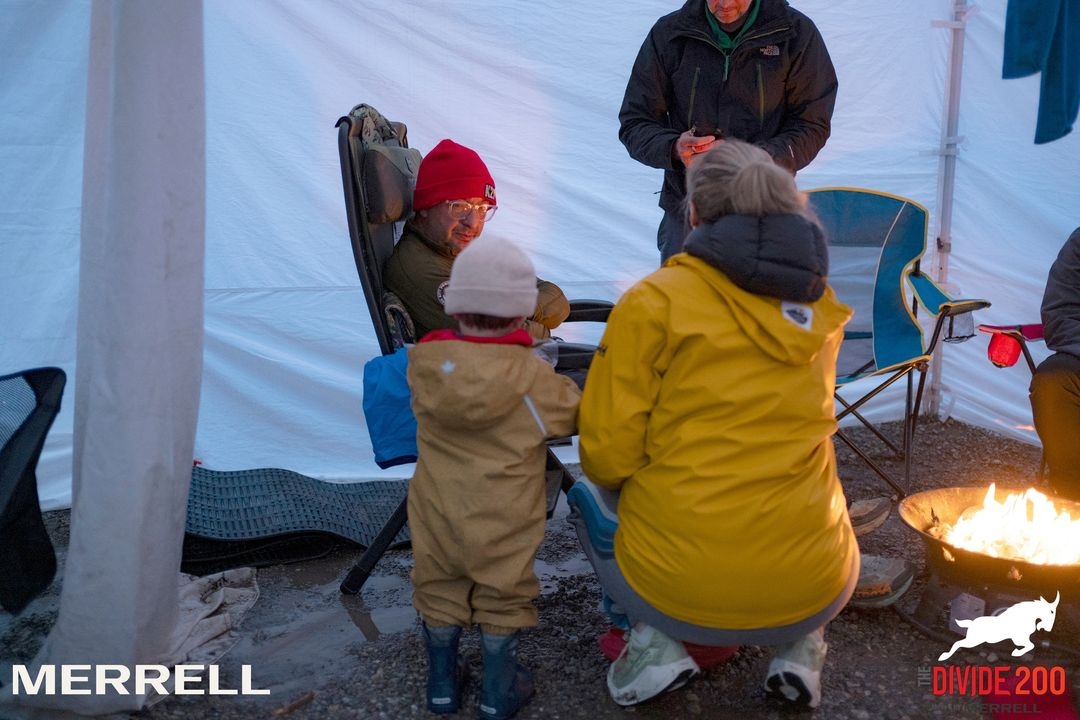
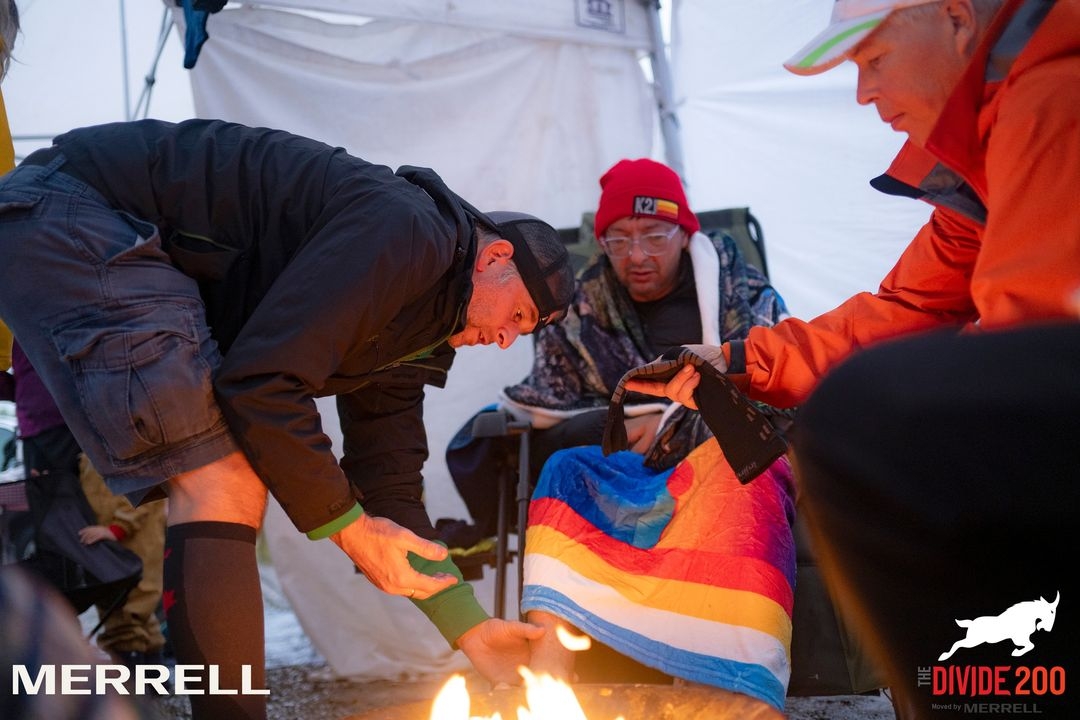
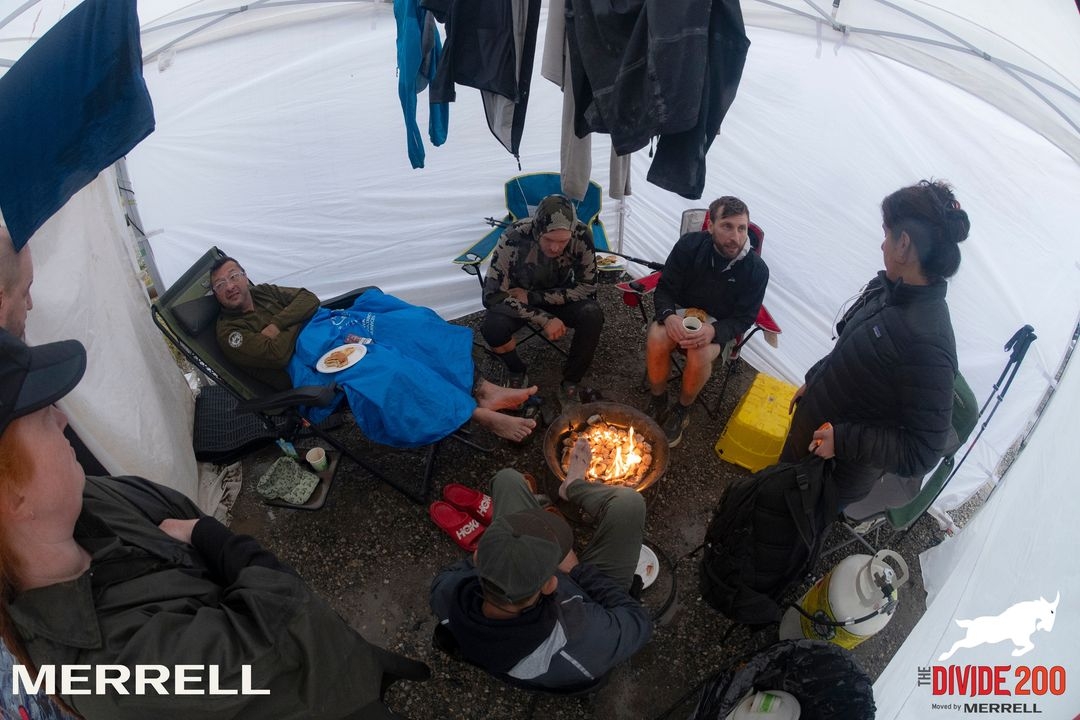
I can not speak to exactly what happened on that 65km journey, but I know it rained hard, it was cold and they had to wade through bogs and streams including 400m of marsh with knee deep water in the middle of the night. Rudi and Matt arrived at CP13, the last checkpoint before the finish, at 7:00 pm on Thursday. We were there to greet them. Rudi and Matt were cold and wet. Even with blankets and a propane fire Rudi was cold and shivering. We had 25 km left to run to the finish on a remote little used trail and we would be doing it in the dark. The cut off to leave CP13 was 6:00 am on Friday so we had lots of time. We stayed at the checkpoint for over two hours to get Rudi warmed up so it was safe to continue. We did not want him to get so cold he became hypothermic over those last 25 km.
While we were trying to warm Rudi up a local ultra runner showed up in shorts. He had the night off work and was there in case anyone needed a pacer to run 25 km through the woods in the rain. He soon found a friend.
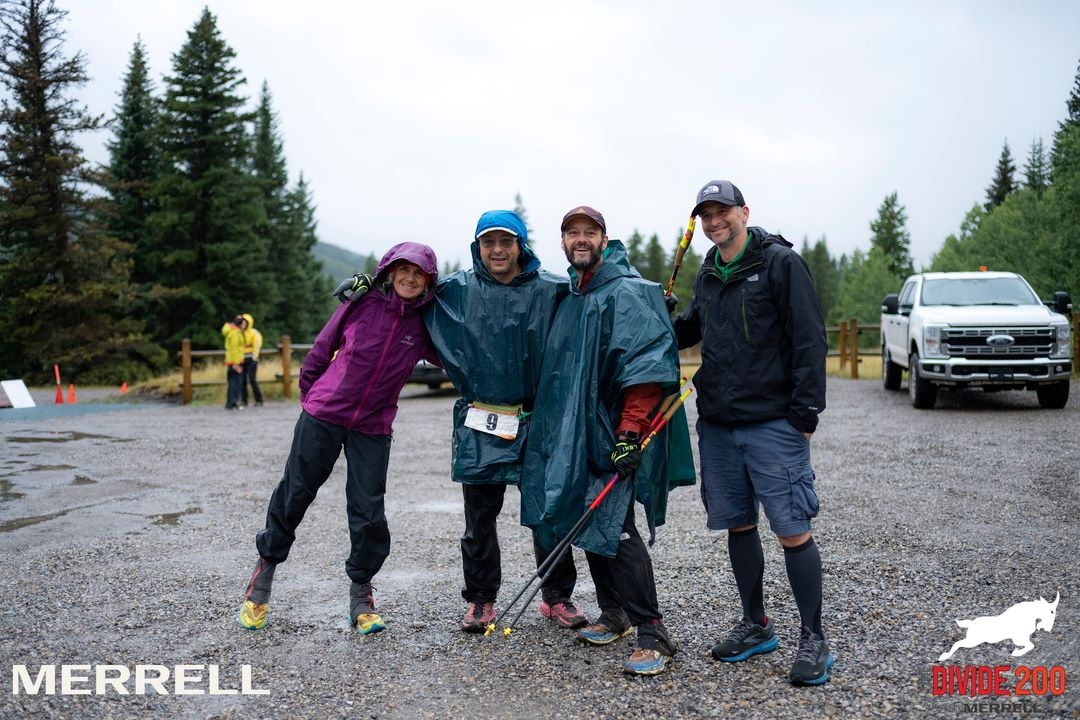
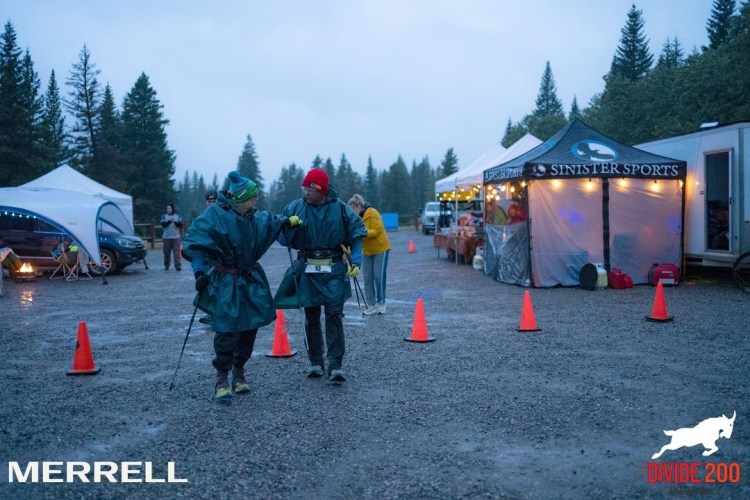
Rudi and I left the checkpoint a little after 9:00pm. It was still pouring rain.
Between my first run with Rudi and my second one I had been chatting with the locals at the checkpoints. We talked about bears and other things. No one was that concerned about bears, even grizzly bears. There was a grizzly wandering around town by the Polish Hall and it was just a topic of conversation. The general feeling was that you would only run into a bear if you were unlucky and in the wrong place at the wrong time. The thing they all worried about was the cougars which will hunt and stalk you! Much rarer but almost much more dangerous. A female runner had encountered one the previous year. She said it was looking at her and wiggling it’s backside like at cat does when it is about to pounce. She pretended it was a house cat peeing in her garden, banged her poles together over her head and shouted at it. It went away.
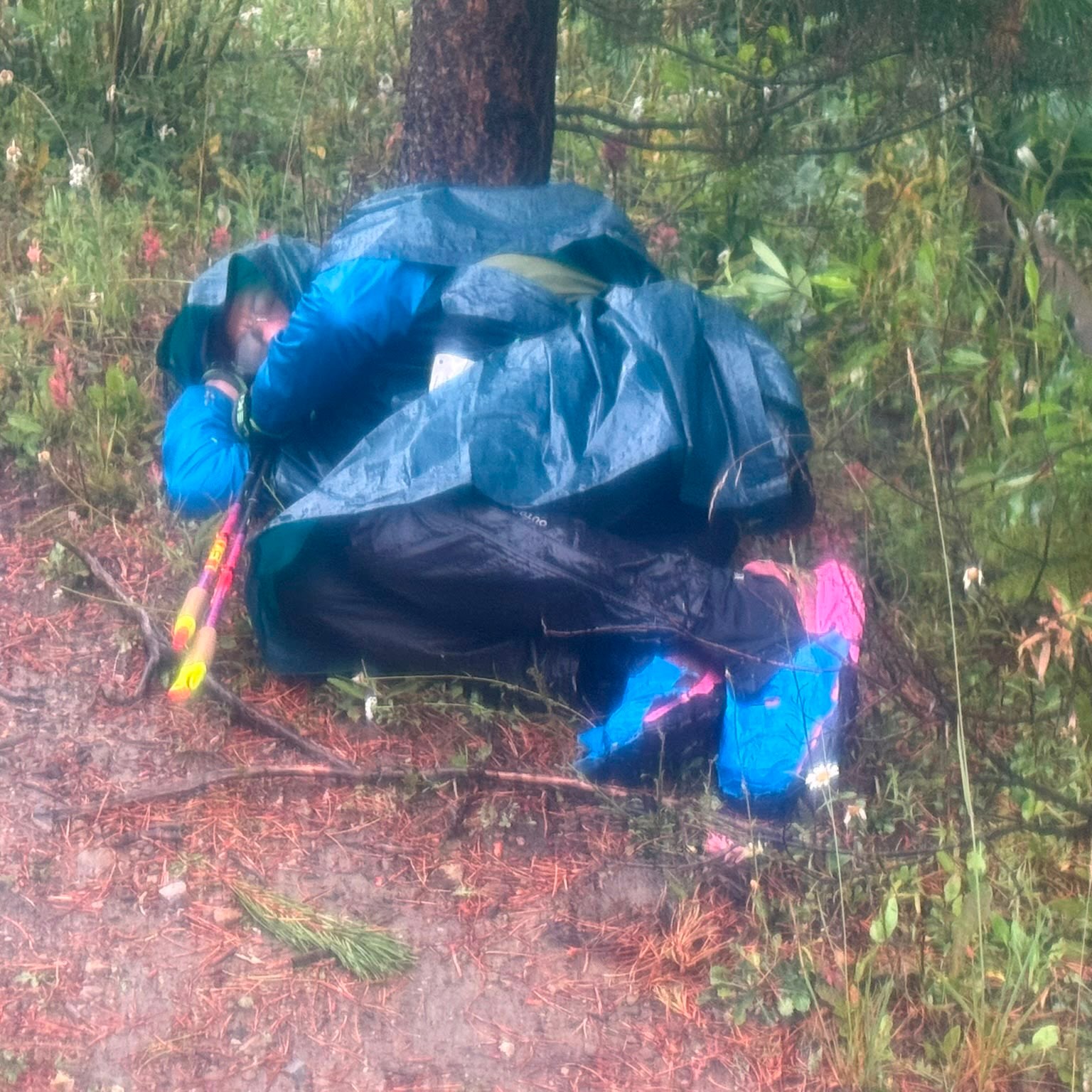
As we ran off into the rain I had cougars on my mind, but it did occur to me that after 297 km of running I could outrun Rudi if a cougar appeared! It was a wet 25km. The elevation was less than the previous section had been, but the trails were wet, muddy and slippery and there was a section where the trail was so overgrown you had to navigate from trail marker to trail marker. At one point Rudi took a dirt nap on the side of the trail. I stood guard and sang girl guide songs to keep the cougars away.
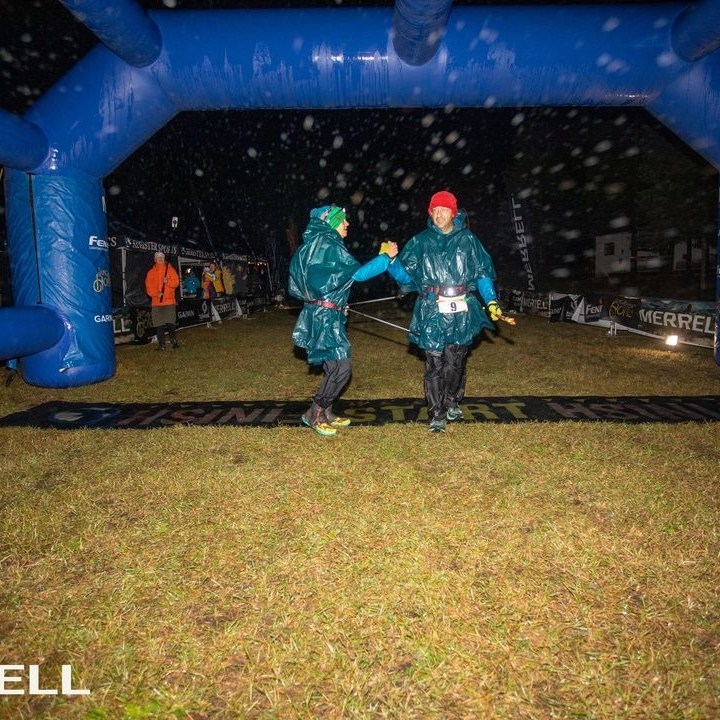
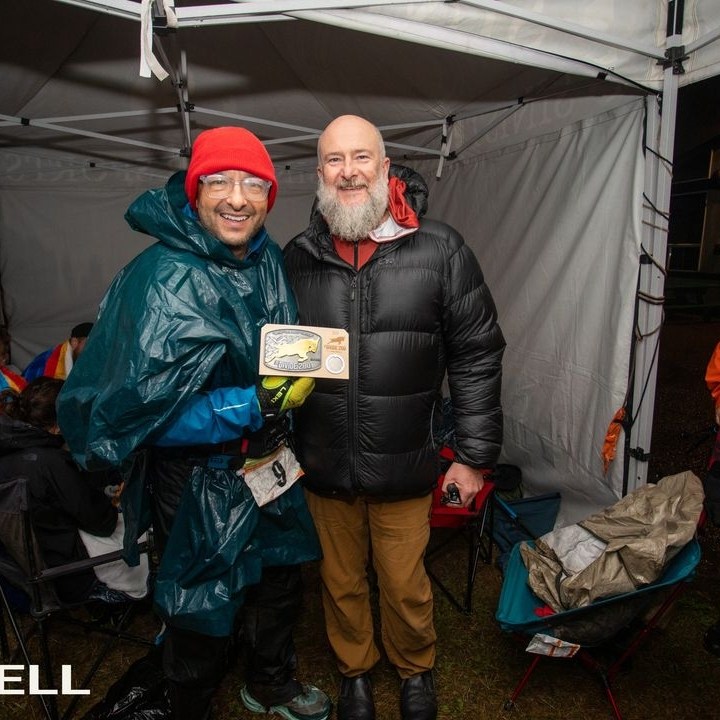
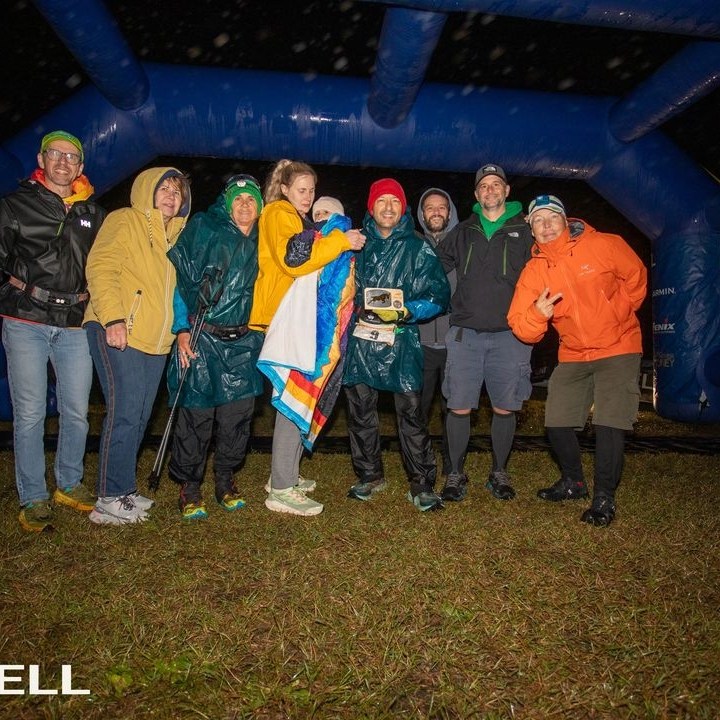
We crossed the finish line with the whole team waiting at 3:36 am, 91 hours 36 minutes and 57 seconds after Rudi started. I always thought Rudi could do it but I still can’t believe he did it!
Lessons learned
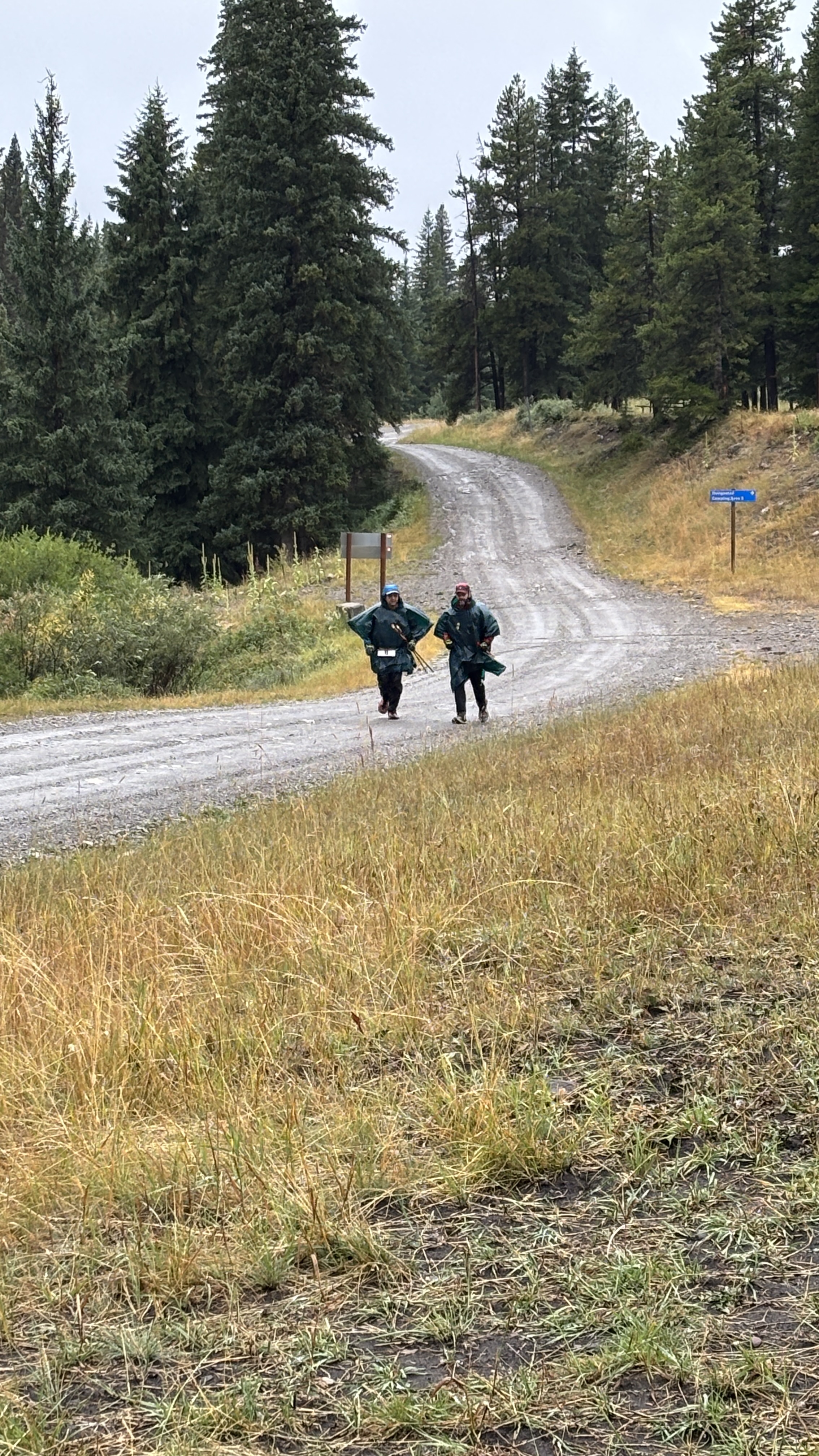
- Cheap plastic ponchos are the best solution in the pouring rain. Better than Gortex.
- Water bottle water filters are a great addition to your trail running gear
- Carry a bivy sack in your trail running pack. They are small and light and they could save a life.
- Cougars are scary
- Ultra runners are nice people, but they are all a bit crazy
- I have many crazy friends, and I would not trade that for anything
- 4-wheel drive rental cars are not useful on logging roads
- The Divide 200 is a very tough race

