Judy’s 2026 Tokyo Marathon Race Report
The short version:
Great race. Great organization. Great excuse to go to Japan. Got my 6th Star. Apply for the lottery. If you get in take it!
The much longer version:
A little background
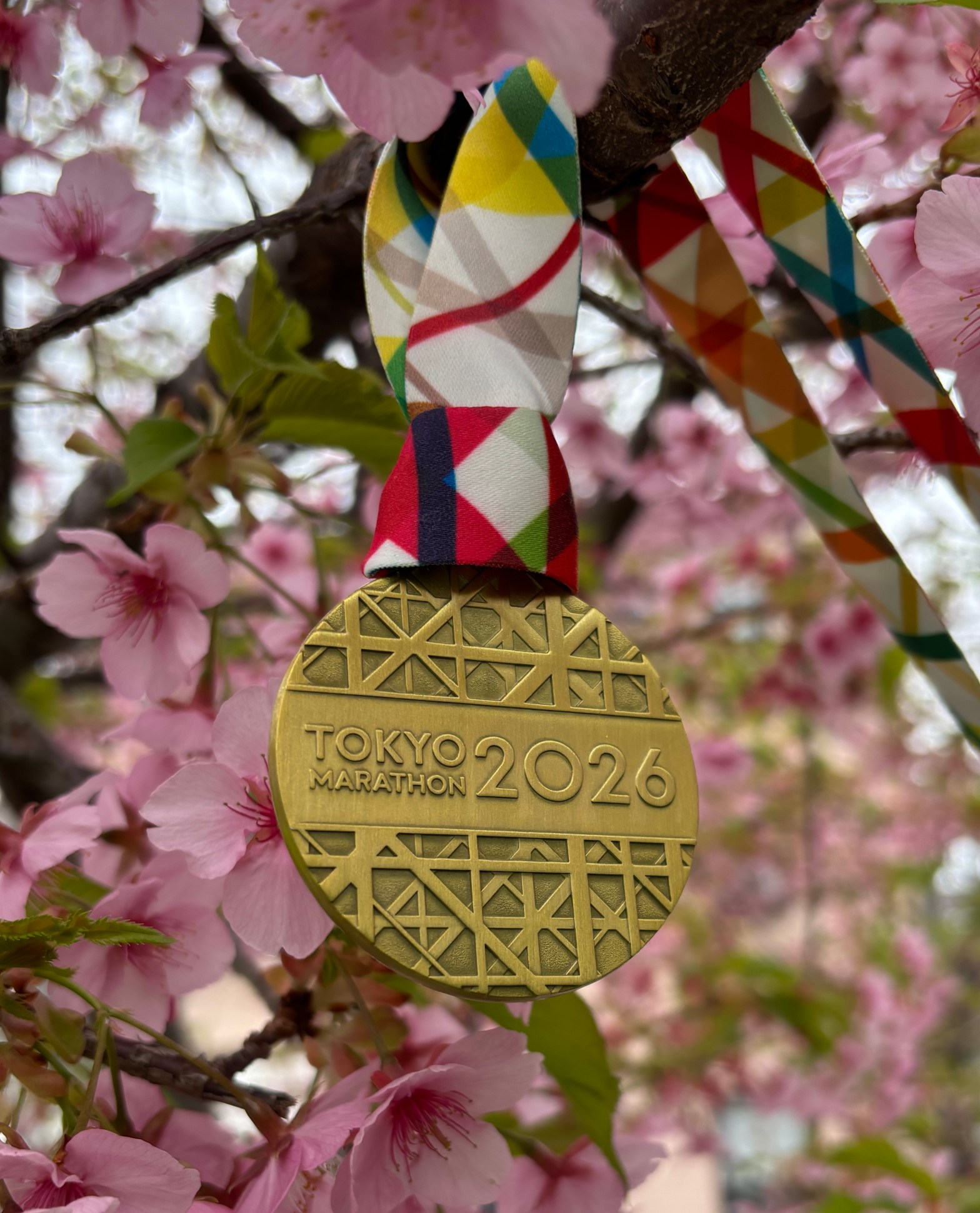
The Tokyo Marathon was my 60th marathon and the race where I completed my 6 Star Journey. It was also the least prepared I have even been for a marathon.
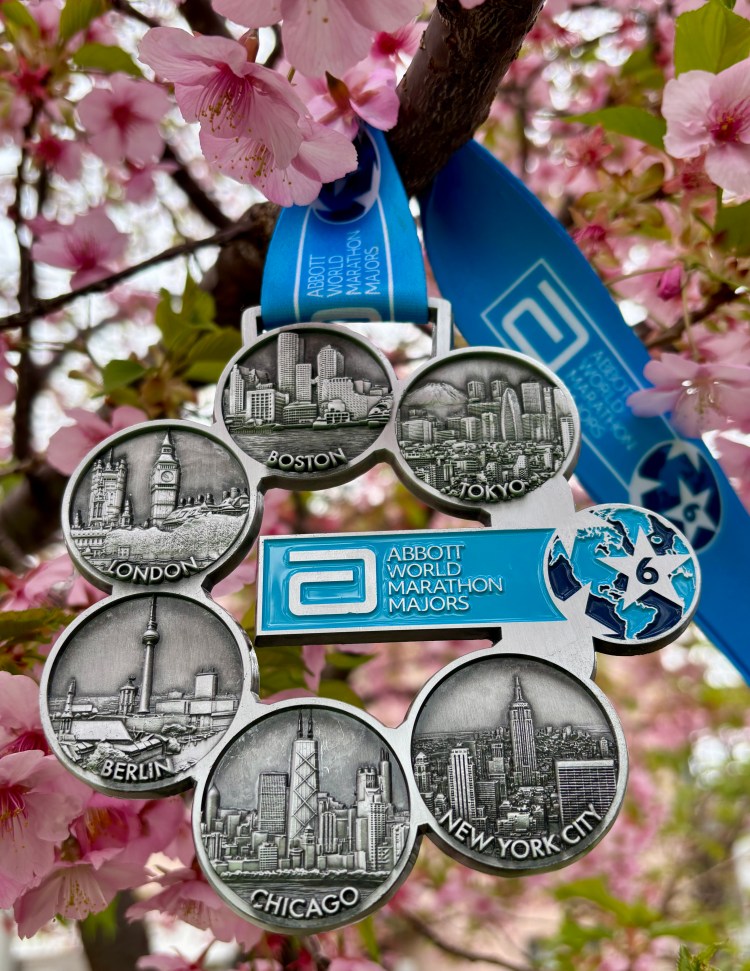
For the normal people who don’t live and breath running allow me to explain. In 2006 Abbott introduced the five majors: New York, London, Boston, Berlin and Chicago. In 2016 they added Tokyo, the 6 Star medal and the hall of fame. If you run all six races you get the medal and the kudos that goes with it. None of these marathons are easy to get into. I ran Berlin in 2022 to get my 5th star. Tokyo was all I needed to finish.
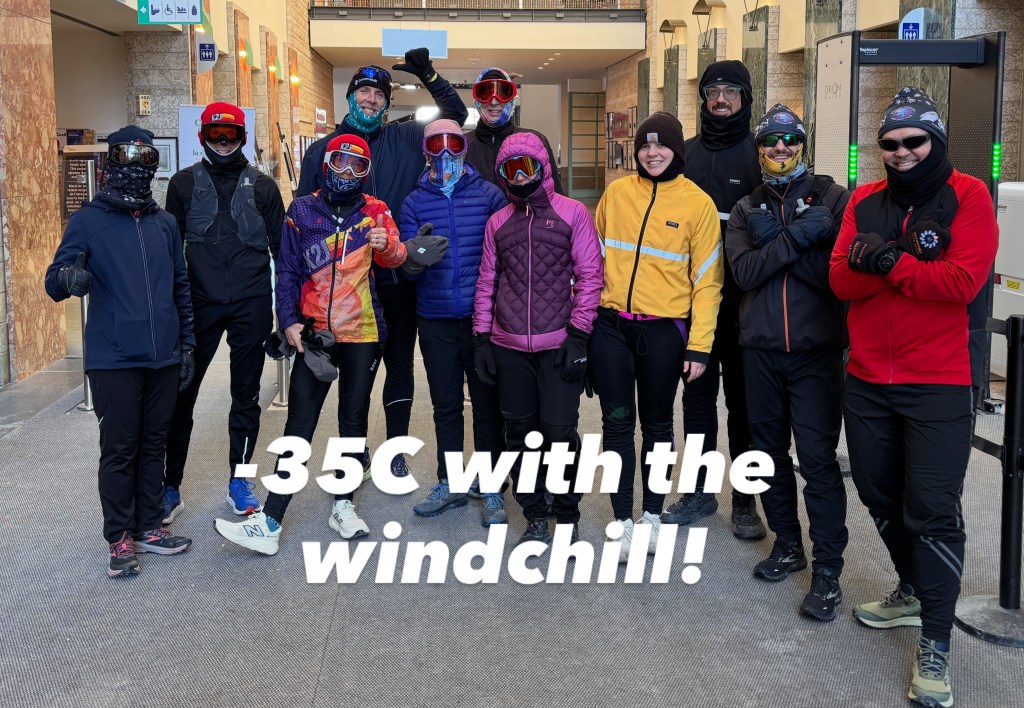
Harold and I have taken to spending a couple of months over Christmas travelling in Asia. We love Canada, but we love to travel too and it’s cold here in winter! Harold suggested that I apply for the lottery for Tokyo and we would go if I got in. There is only a 7% chance of getting in… I applied in 2025 and did not get in so I applied again in 2026 and to our surprise I got in! The only snag was we already had a trip planned to Asia and we were not returning to Ottawa until the last week of January. Training while on holiday in Asia is a bit of a challenge so that gave me five weeks to train for a marathon. I coach other runners and I would never suggest that they do a marathon with five weeks training, but it was my chance to get that 6th star.
I took the spot, we bought tickets to Tokyo, and we went on vacation. We came back to Ottawa and a cold nasty winter. I did as much training as I could manage without getting injured and 32 days after we landed in Ottawa from Bangkok, we flew back across the pacific to Tokyo.
Pre-race
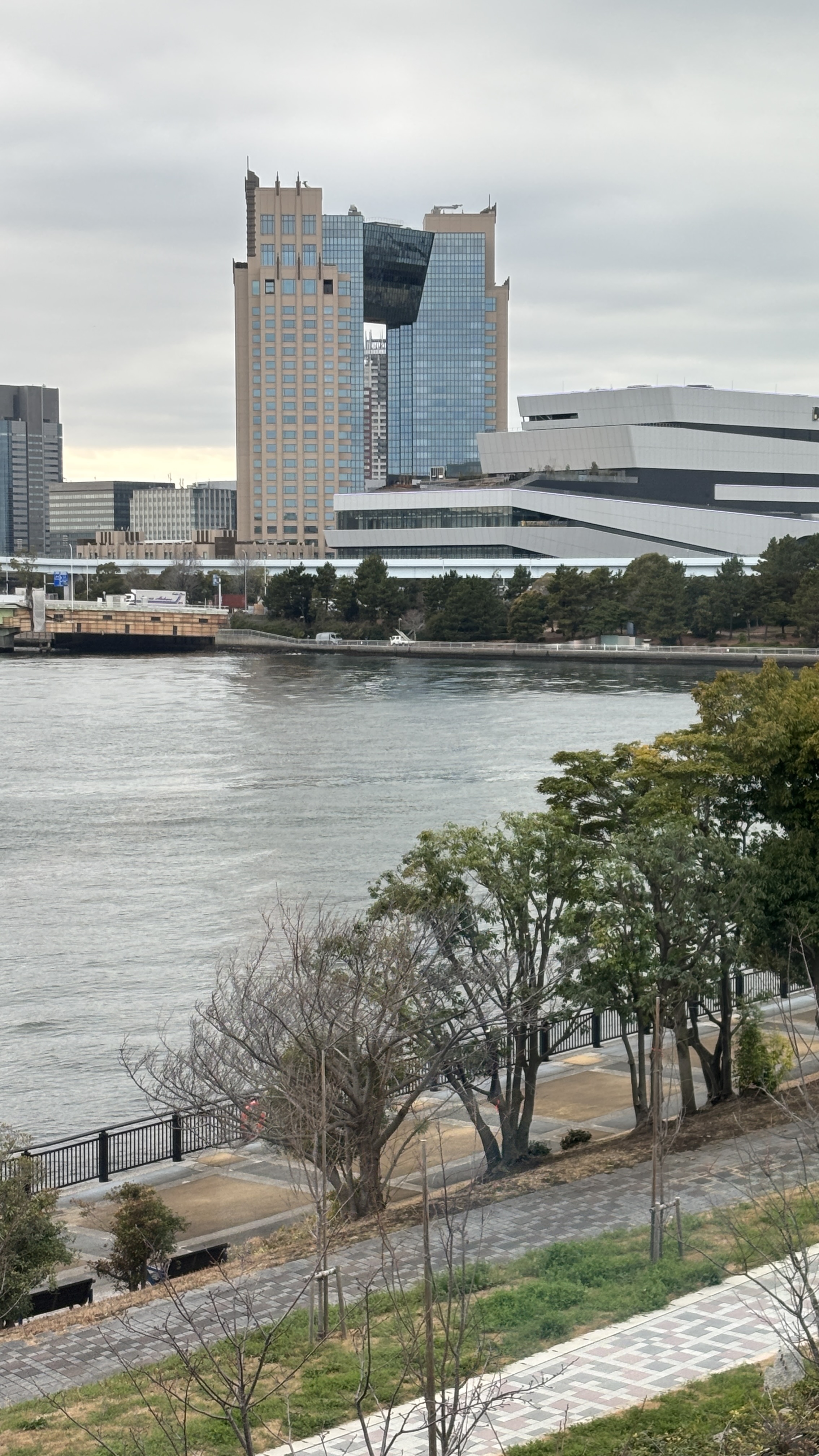
We made another holiday out of it and spent three weeks in Japan. We flew out four days before the race. I highly recommend going a few days early. We rented a small apartment close to the start line and spent a week in Tokyo it’s a city with an estimated population of 34-37 million so there is lots to see.
There was a big storm in the US the week before the race and some of the Americans whose flights were canceled did not make it to Japan before the race. We really enjoyed Japan and we will definitely go back.
When you enter the Tokyo Marathon you don’t get a lot of information until three or four weeks out when you get a link to the Runner Guidebook which is 75 pages long. It is in PDF and It’s a bit confusing. There are a lot of rules which are enforced and there is much discussion on the Facebook groups about everything! If you want to check clothing for the finish you have to pay for that service when you enter the race. You can not add it on latter. I recommend paying for that service.
The expo and race kit pick-up are held at Tokyo Big Sight which is not near the race course. The best way to get there and anywhere in Tokyo is by public transit. Use Google maps it will tell you which trains to take and even which platforms to get on. Allow lots of time because some of the stations are huge and it can take a while to find the right platform! The other thing you will need is a Suica card, or if you have an iPhone, the Welcome Suica app. You add money to it and tap it when you enter and exit train stations. It is much easier than buying tickets.
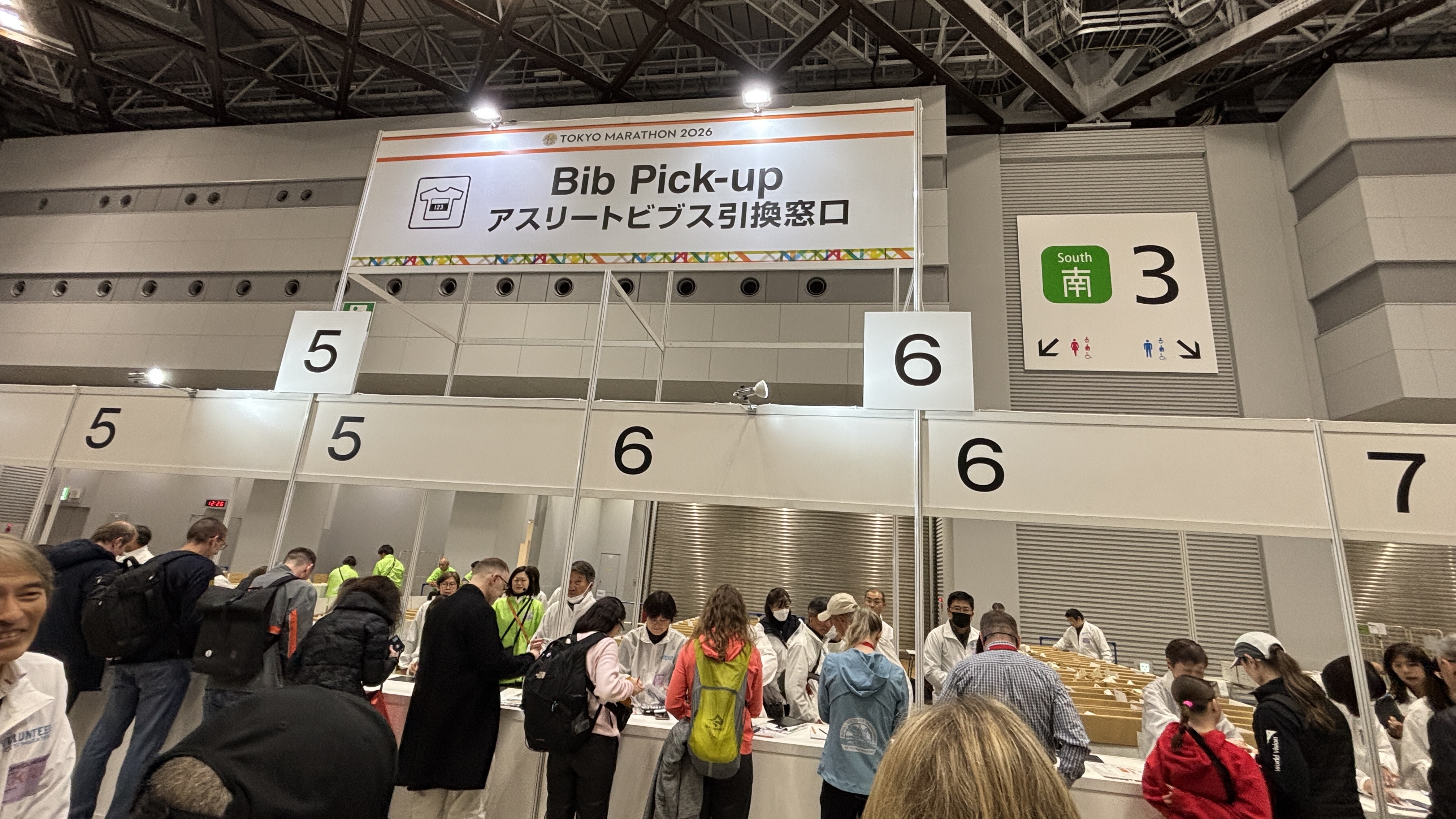
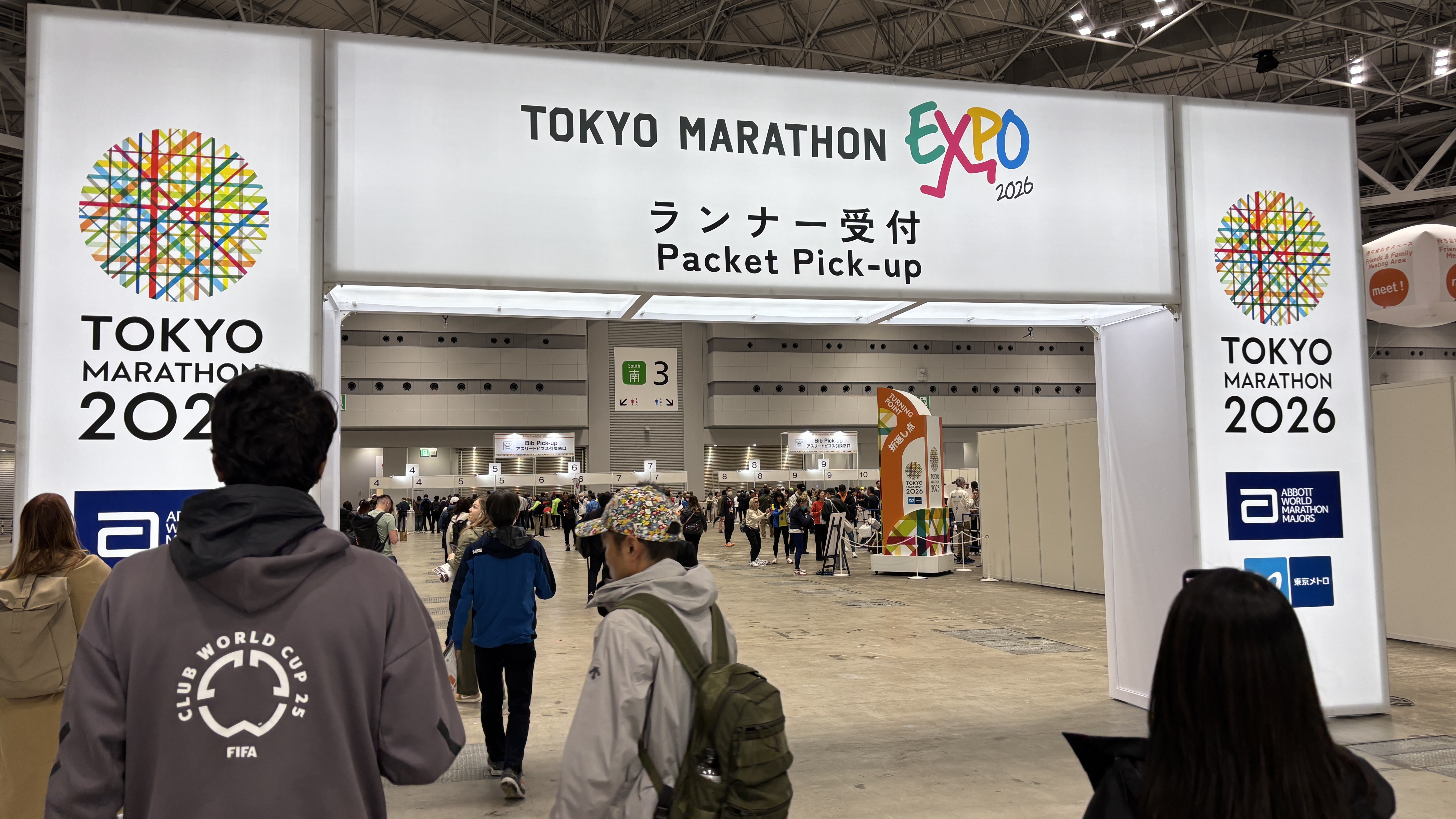
I was told the bib pick-up would take forever. We went about noon on the first day and it was fast and efficient. The area selling official race gear had huge lines! I have a lot of race gear, so I skipped it. You can pre-order official race gear. The lines for the pre-ordered gear were also very long! The Asics stores in Tokyo were selling official race gear as well with shorter lines. I bought a hat which was about all that was left at a pop-up the day before the race. There is a big expo downstairs from the pick-up. There are lots of freebies and photo ops, but the lines are long. We got free ice cream and bath salts!
We did one of the many pre-race shake out runs around the castle the day before the race. One thing you have to love about Japan as a runner there are lots of free toilets.
The race day tracking uses the R-navi app which worked fine on race day, but it was not ready to use until 7:30 am on race day.
Race Day
The race has 37,000 plus runners and a huge pre-start area. Unlike other big races, in Tokyo the runners are split up by coral as soon as they enter the pre-start area. Each coral has it’s own set of bathrooms, luggage trucks, water and nutrition stations and many helpful volunteers. The race starts at 9:10 am and it is clearly stated in the Guidebook that you must be in the start area by 8:45 am. Our apartment was 1.5km from the start, we walked there. We actually pre-walked it the day before. It’s less than a km from the nearest train station so most people take the train. Once you get close there are signs and volunteers everywhere telling you which way to go. I was there by 7:45 am. Harold was still around the area outside the runner only area at 8:45 am and he saw some runners get turned away. They were very upset.
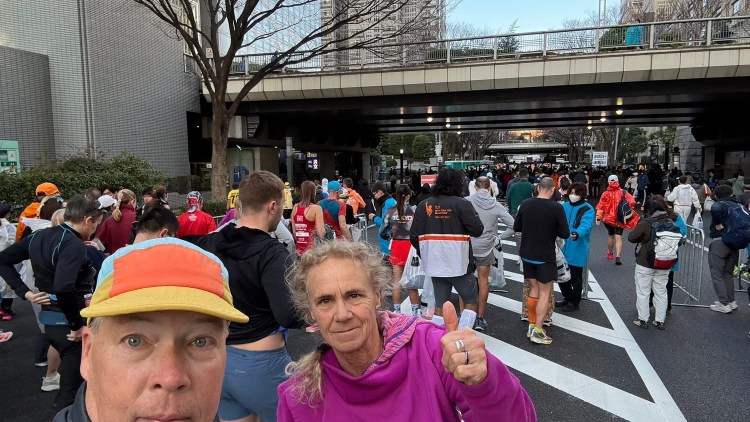
Like all big races there was security to get into the runners’ areas. The Tokyo marathon is very concerned about litter and you can not bring water bottles, cans or plastic bottles in. The only drinks allowed in are paper pack or aluminum pouch drinks under 250ml that are unopened. There are a couple of water drinks available in Tokyo which meet the rules and they were sold out in every store near the race!
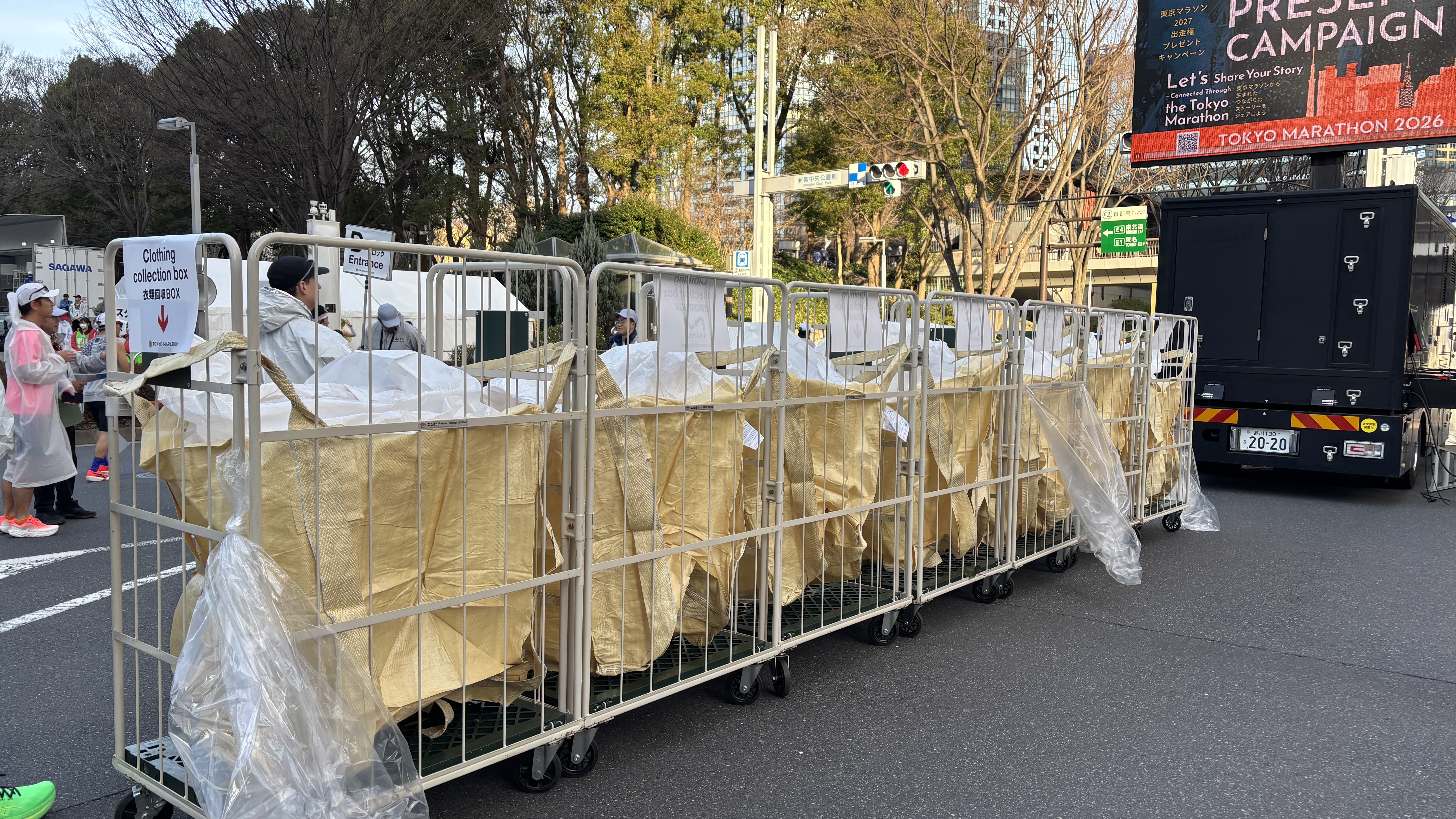
There was some pre-race confusion about warm clothes to wear before the start. The rulebook says: Disposing of trash or garments at the start or on the course is prohibited. Please take your plastic or other cold protection gear home with you, and do not dispose of them on the course as it hinders other runners. I knew other people who had run the race and I understood there were bins for clothes collection before you entered the actual corals.
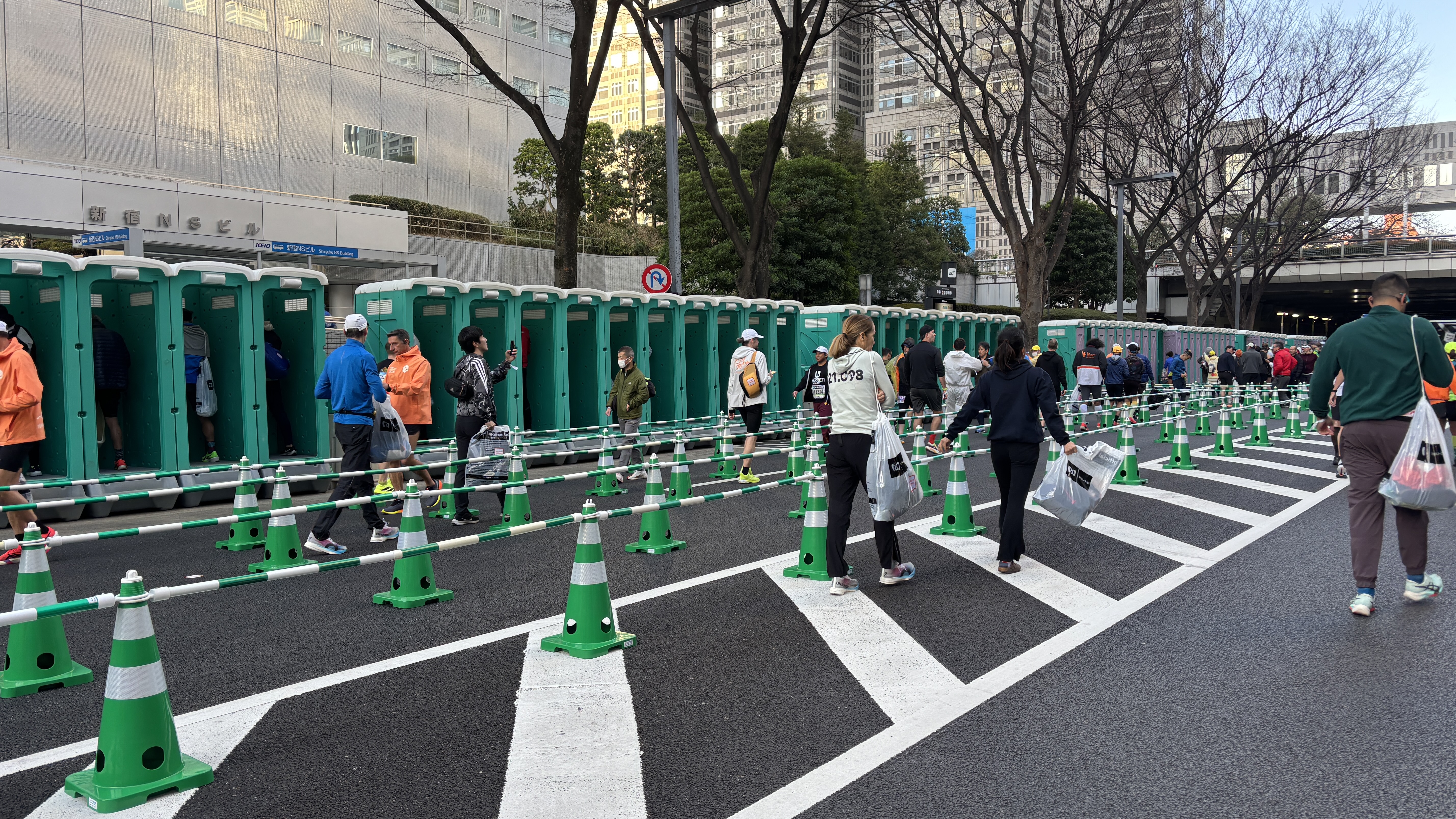
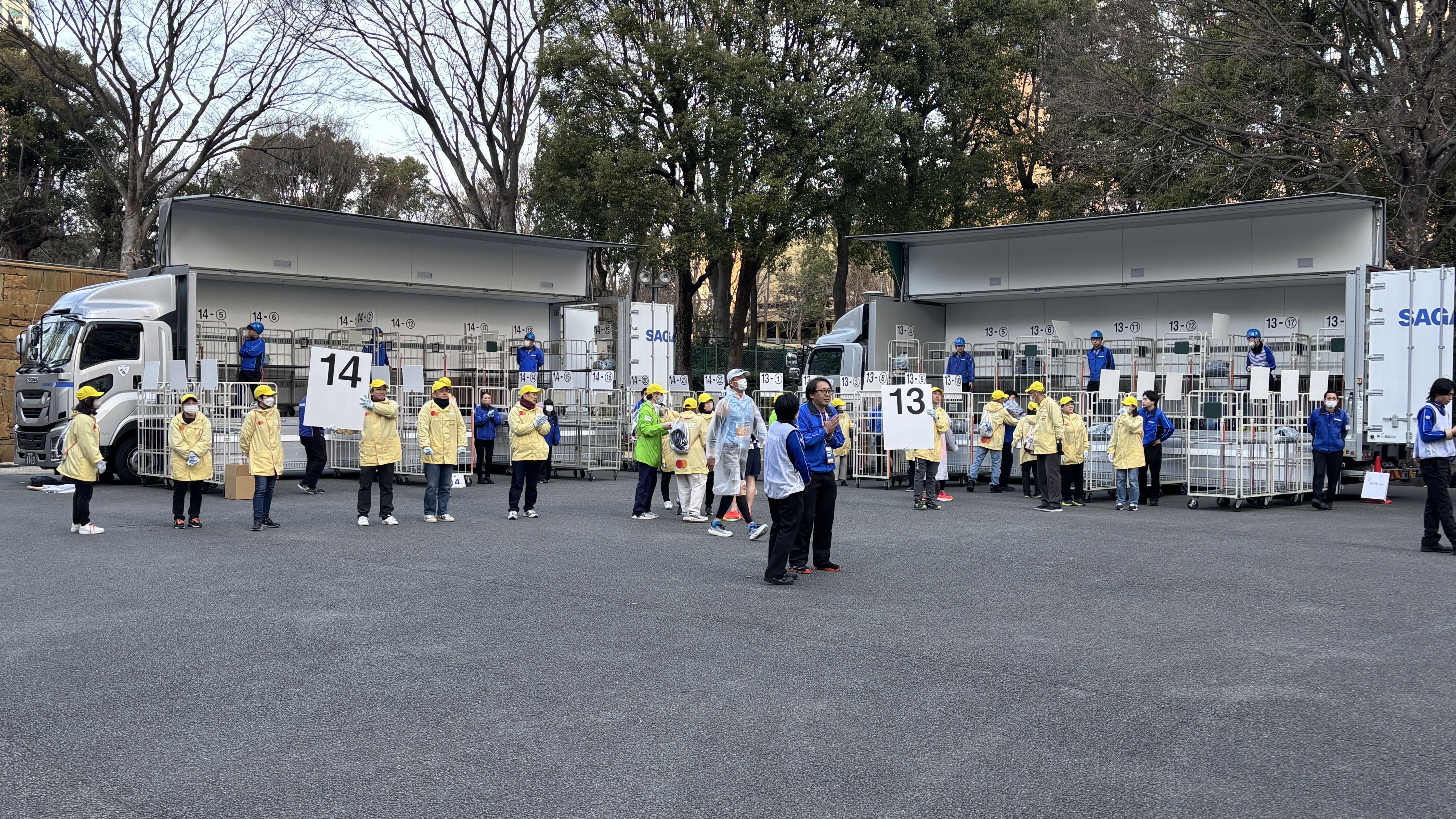
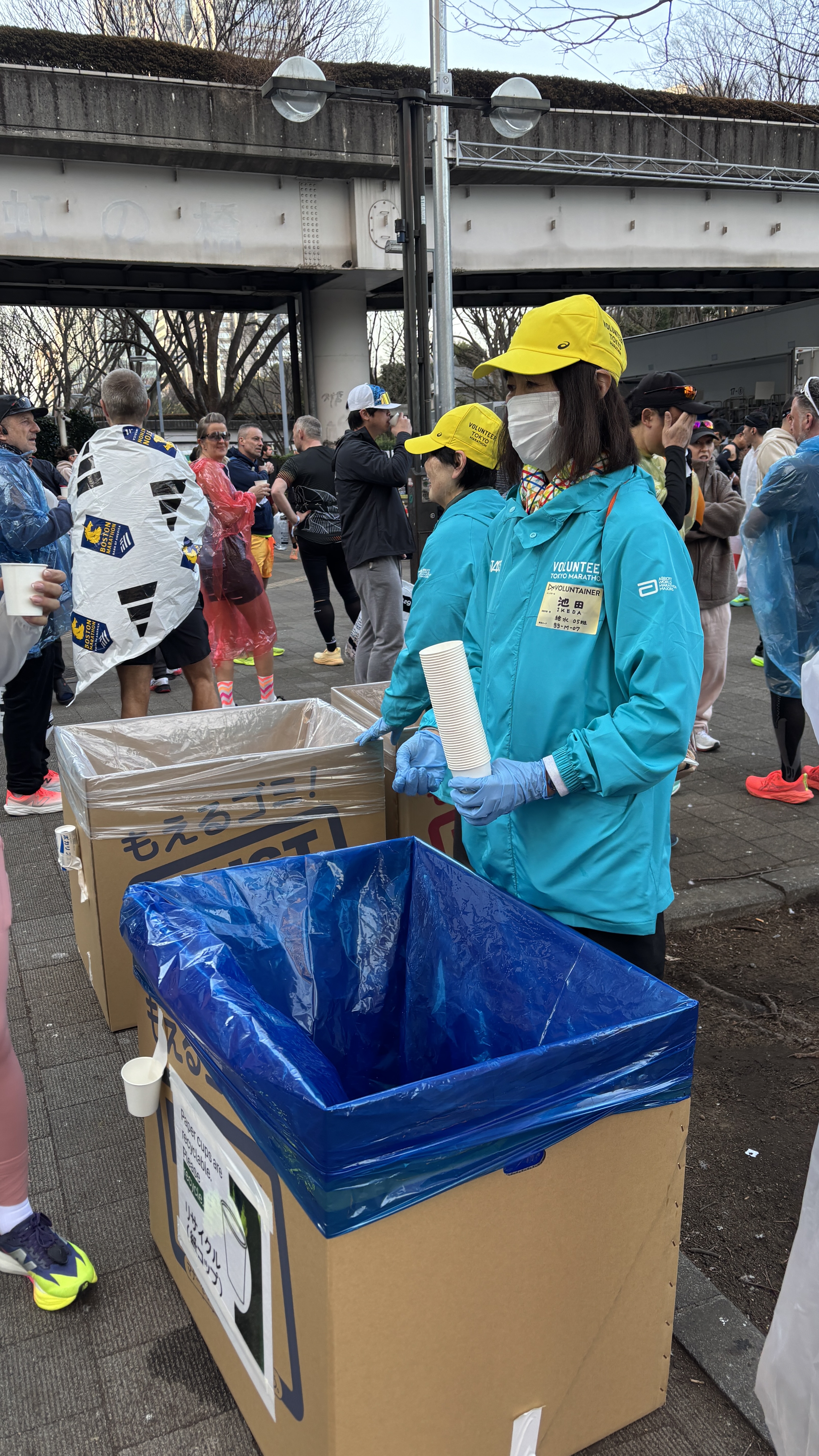
I arrived with my bag to check, extra clothes to wear to the start and dispose of before the race, plus a snack. When I arrived, there were no lines for the toilets, and they even had volunteers holding open the doors of empty toilets so you knew they were available. Bag drop was fast and easy. They had water available and there were volunteers taking garbage, so I did not have to take my empty bag to the finish line!
Just before I entered the corals a random stranger who was also running gave me a Tokyo marathon bracelet which I thought was a really nice thing to do. Thank you whoever you are!
You had to be in the actual coral by 8:50 am. It was chilly but not too cold. There were big bins for clothing, so I left all my warm layers behind before I entered the coral. I was in E. I believe the last coral was J. It was a long cold 29 minute shuffle between 8:50 and 9:19 when I actually crossed the start line. It also turns out that there were more clothing collection bins just before we crossed the start line!
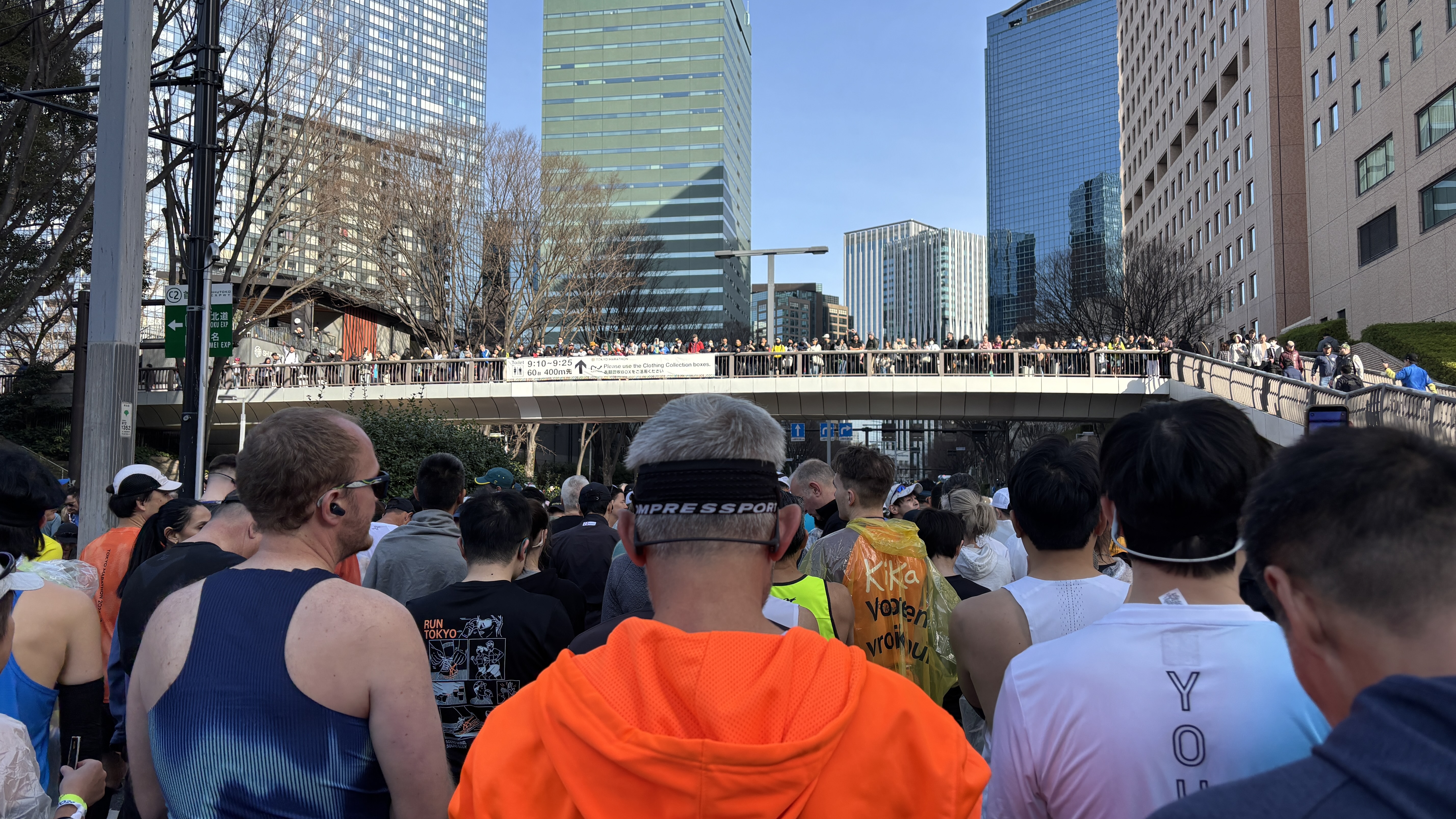
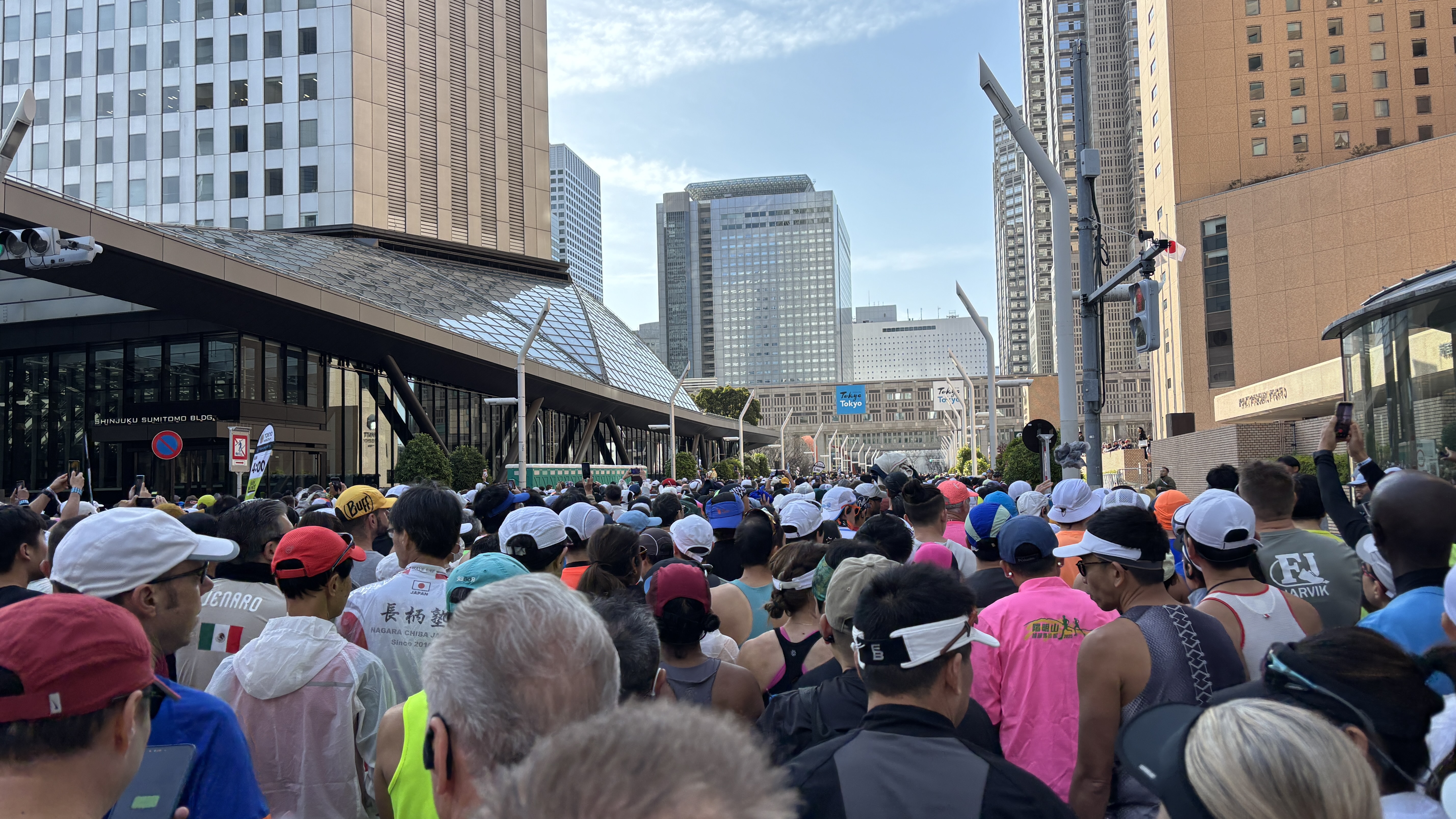
Once I started running, I warmed up. The course was crowded. Part of the crowding is because there is a 10.7 km race that starts at the same time as the full marathon. I was told the course clears out a bit after the 10.7 breaks off but I found it pretty crowded the whole way.
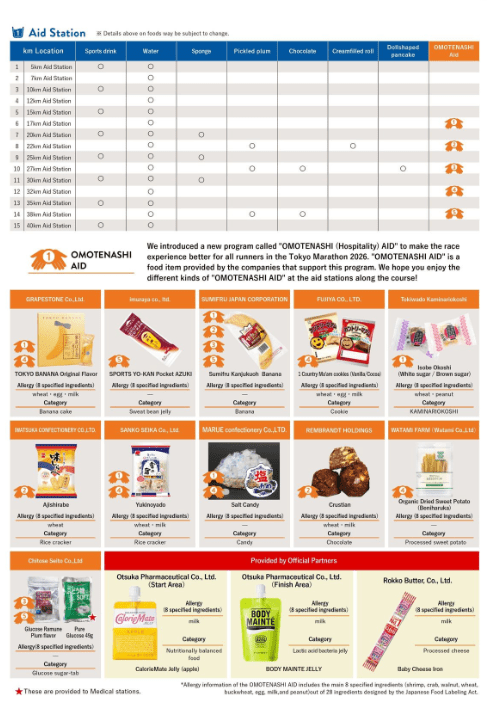
There are 15 water/aid stations. The first is at 5 km and they are more or less 2.5 km apart after that. They all have water. Every second one has Pocari Sweat which is a common sports drink in Asia. You can buy it everywhere. In Canada you can buy it at New T&T. It’s not bad as sports drinks go. Five of the stations had food of many types which I did not take. If I have learned anything running 60 marathons, it’s don’t try anything new on race day!
The course is basically flat but there are four out and backs with hairpin turns. I don’t mind the out and backs. They give runners like me that chance to see the elite field. The hairpin turns were a factor because the course was so crowded. I ran 42.9 km by the time I finished so I ran an extra 700m getting around people which is more than I would usually run in a marathon.
If you read the reviews everyone’s big complaint about this race is the toilets on the course. There are 46 toilet stations which is a lot. None of them are big and many of them are not right on the course. You may have to run down the street and into a local building. I saw one where you had to go down stairs. They are a bit irregularly spaced but at each one there is a volunteer with a sign telling you how far to the next toilet. How’s that for a volunteer job! The best advice I saw going into this race was if you think you might need to go and you see a toilet right by the course (some of them are) use it.
My Race
I was undertrained and I knew that, so the plan was to finish and get my 6th star. Nothing crazy because I need to do it all again in Boston in five weeks. The forecast when were left Ottawa was for a cold wet day. Even though we were packing light I had clothes for that or for a warm day in my carry-on luggage. As it turned out race day was the warmest day of the whole trip. It was 17C at the start and we hit 26 C which is not crazy hot, but it is when you have been training in Ottawa in the winter.
I was confident that I could finish under the cut off times which are strictly enforced in Tokyo. There are nine cut off points on the course. If you don’t make the cut off, you are done. This was a pretty low-pressure race for me. I just ran for the first 21 km. I did not even look at my watch. I did have to do a lot of dodge and weave around other runners particularly by the water stations. The water stations had 5 long tables for each station. There were signs staying 1 of 5, 2 of 5 etc.by each table. Lots of volunteers and no shortage of water even though we were all given reusable water cups at the bib pick-up in case the stations ran out of cups.
I had to stop for a toilet break just after 17 km. I managed to find one closer to the course with no stairs, so it only cost me about 3 minutes. One of the side effects of online tracking is that friends tracking me thought I was slowing down until they saw the next split was faster again at that point everyone knew I stopped for a pee break!
I took water and Pocari Sweat from the aid stations. I also had Morton 160 gels. I can’t do a 160 gel in one go so the plan was ½ a gel at each of the aid stations with no sports drink. I dropped a gel on the course (there is no way to pick anything up with that many runners) but I always carry one extra.
I crossed the ½ at 1:57:36 feeling comfortable. My only issue was my phone. I was wearing newish compression shorts which have side pockets and I had my phone in one of the pockets. I had done this before but never for a really long run. By 21 km it felt like I had a big bruise on the side of my leg under the phone from the phone pressing against my leg. I did not have anywhere else to put the phone, so I just left it.
I did not really check my watch again until about 30 km. I was still getting some of the km splits because I had my phone in the pocket of my shorts and sometimes it told me what the split time was. For reasons I can not explain sometimes my Garmin talks to my phone and sometimes it does not.
At 30 km I was pretty confident I could get under 4 hours which I was happy with. They were telling us all it was hot and we should slow down and listen to our bodies. I had to dodge a guy in front on me who was literally swaying and about to go down. There were lots of volunteers and the course was still thick with runners, so I did not stop. I hope he was OK.
By 34 km I was thinking I needed to stop for a toilet again. I was torn because I am pretty sure that slows you down, but I did not want to lose another 3 or 4 minutes. I ran on the edge of the course in case there was an easy toilet option. That turned out to be a mistake because by this point there were runners stopping all over the place and I had to get around them. I kept going and crossed the finish line in 3:58:37 not my fastest time but I was happy to get under 4 hours.
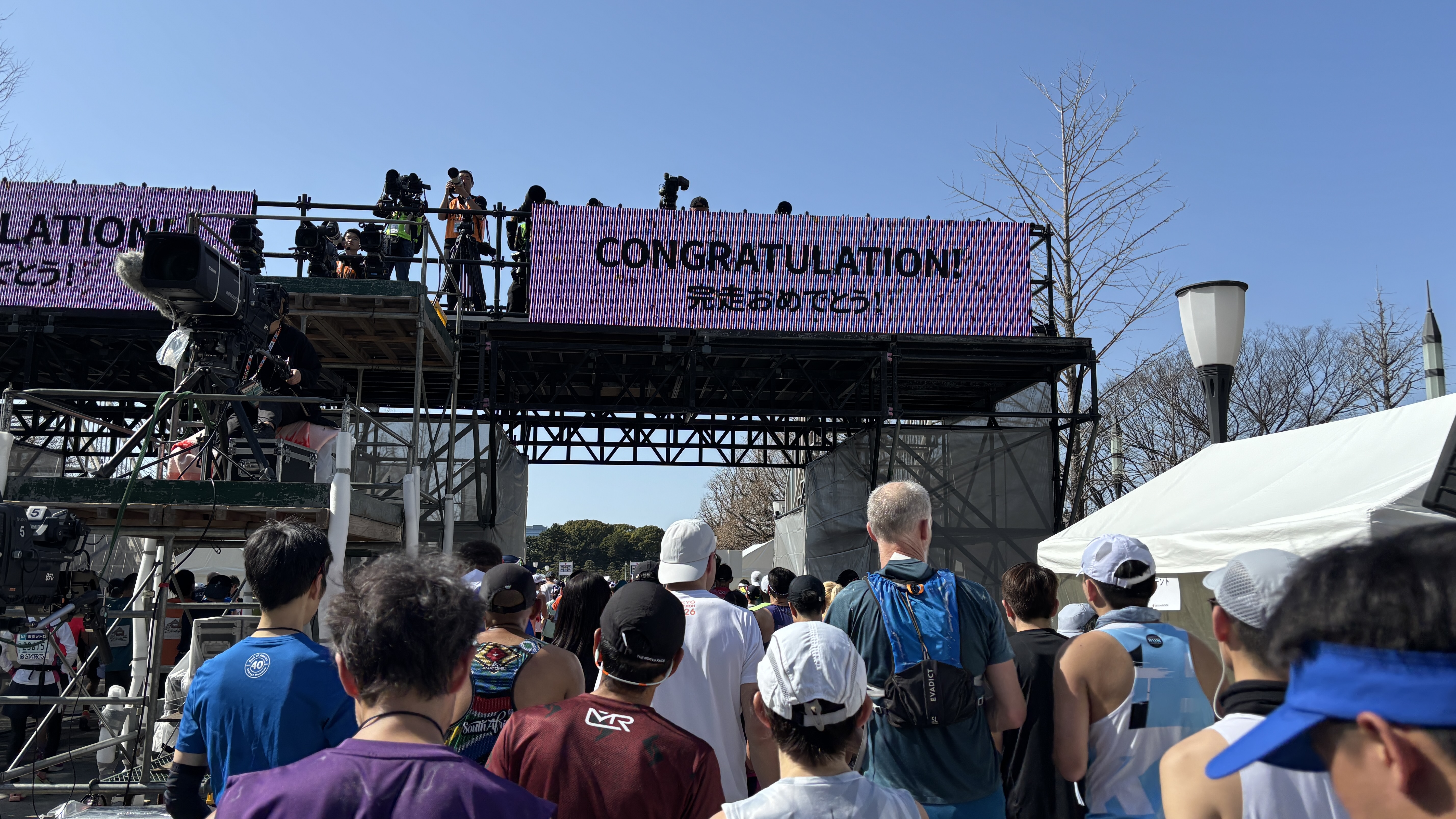
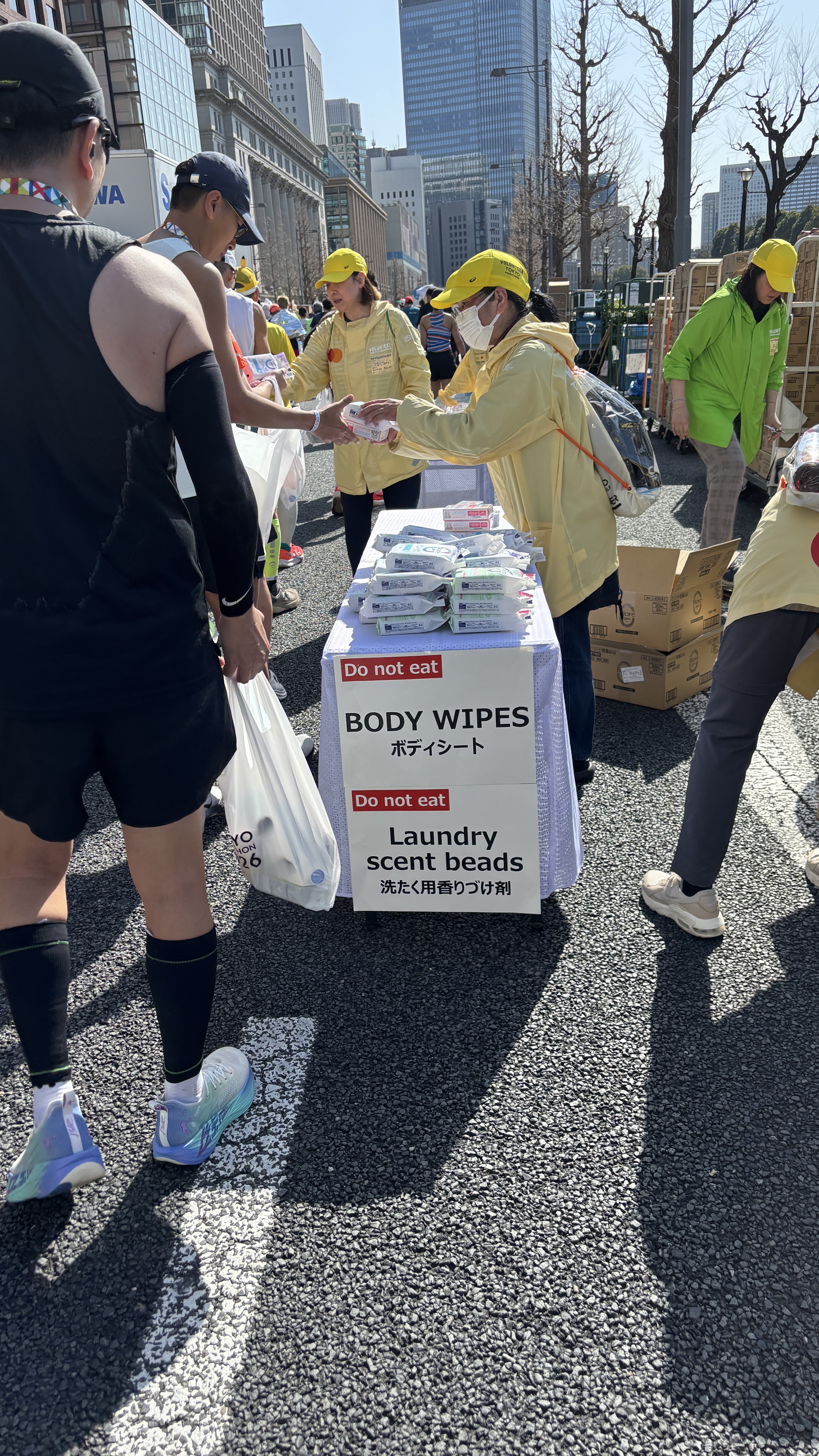
The finish area in Tokyo is very well organized. It’s a bit confusing on paper but easy in practice. As soon as you cross the finish you are funneled into different areas based on bib colour so you avoid the usual thousands of runners in shinny capes shuffle.
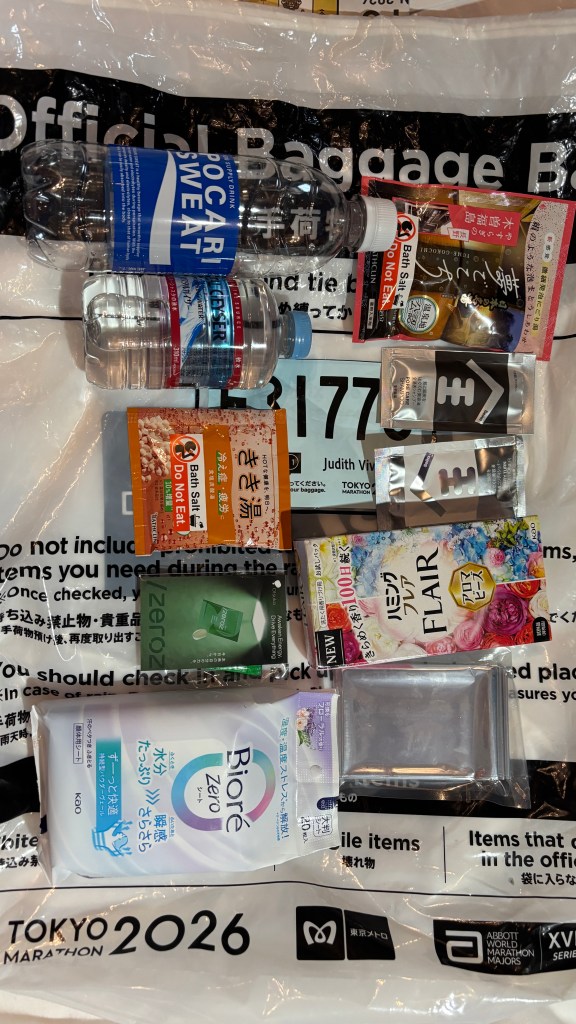
You go through the usual steps, but the flow is much better. We got some unusual items at the finish line. Shampoo, conditioner, bath salts (which had a sticker on them in English saying Bath Salts DO NOT EAT) laundry freshener, water, and Pocari Sweat (the last thing I want after a race is the on course drink) and a banana. There were so many volunteers for the bag check that someone literally handed me my bag as I walked by.
I went to a separate area where I received my 6 star medal. There was a whole line of volunteers congratulating everyone. They took a picture, but it’s part of the official race photo package which I am too cheap to buy.
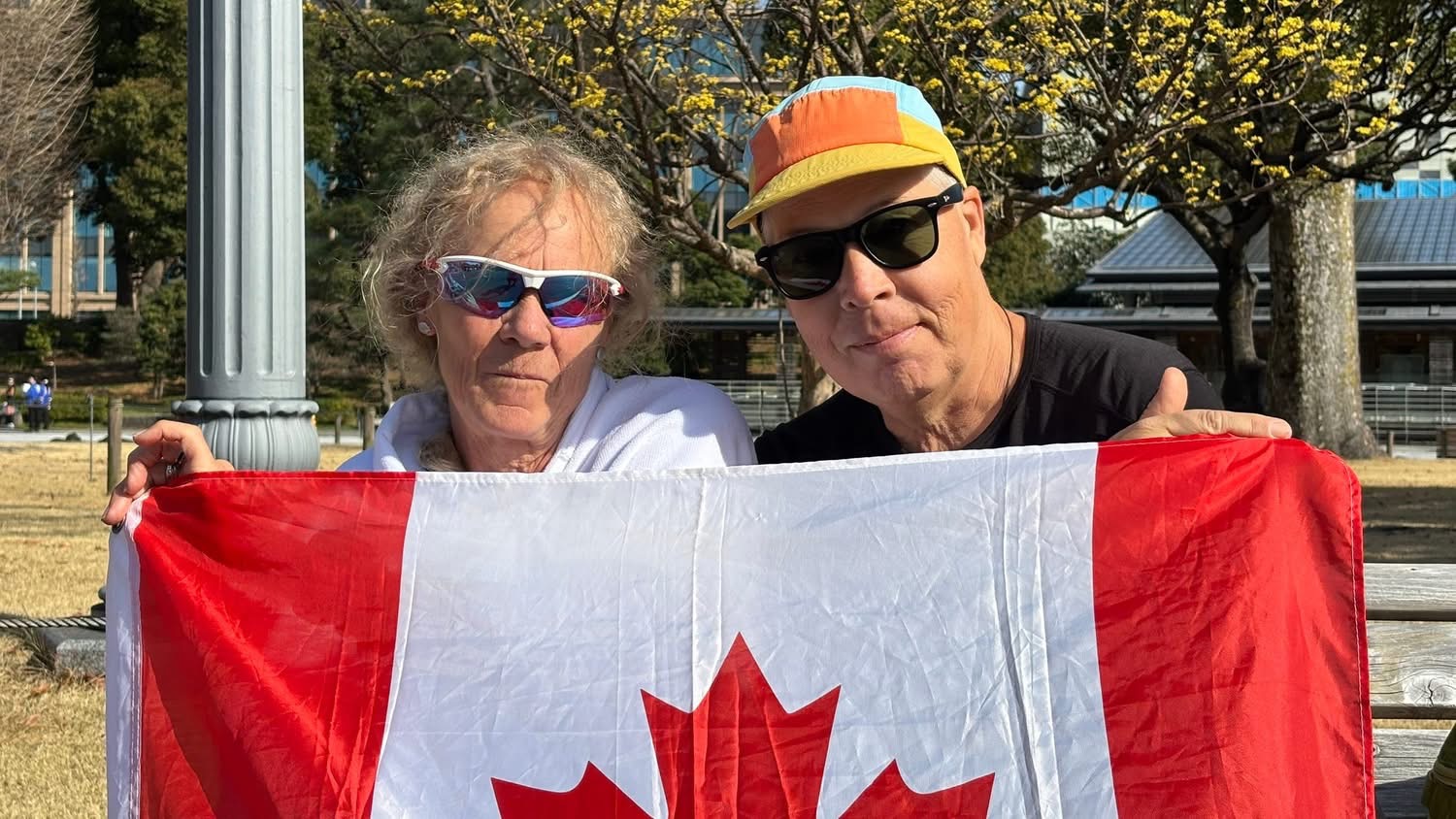
As expected, I also had a very large bruise on my leg from my phone! I finally used it to find Harold in the park.
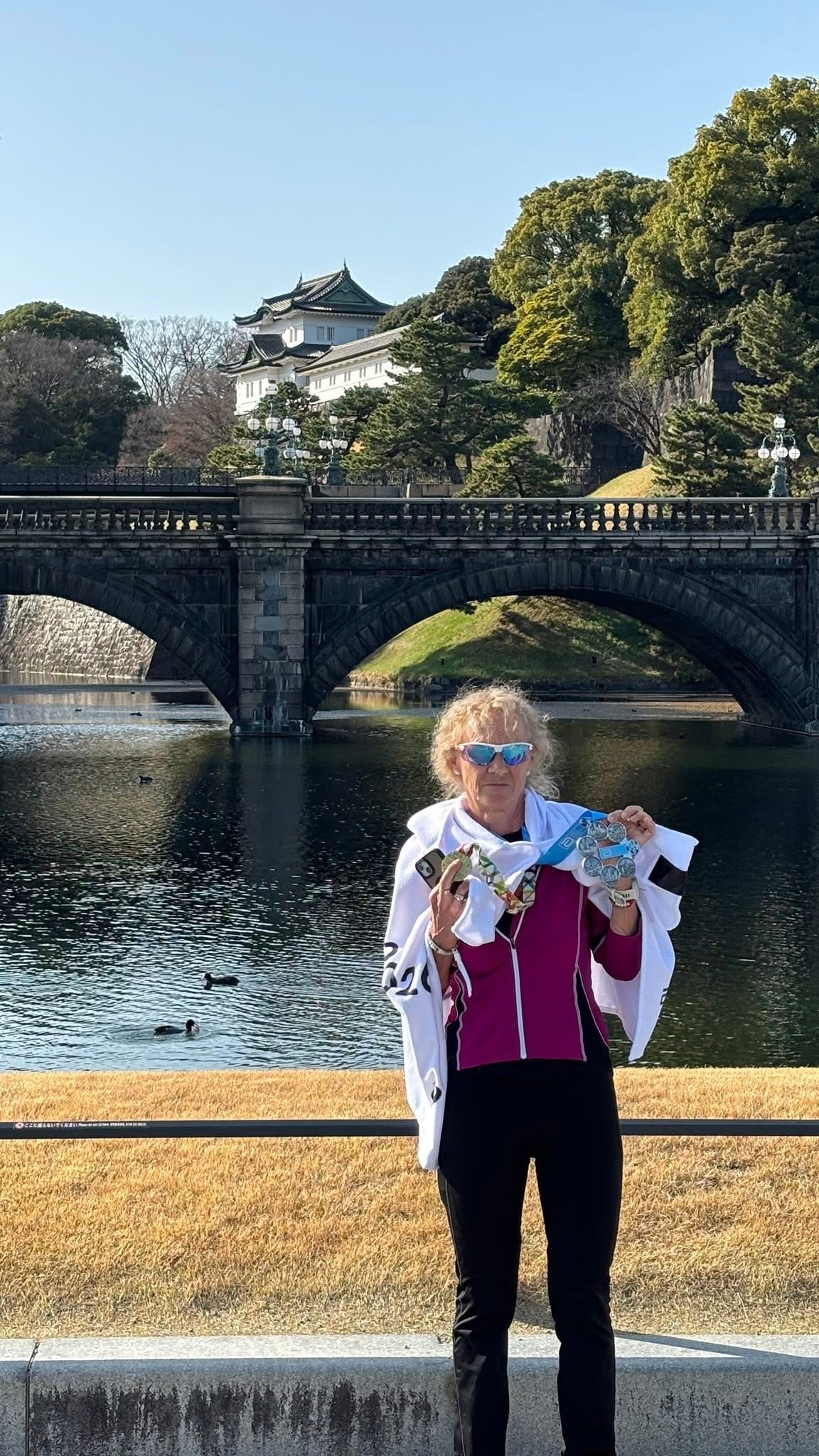
Overall. This was the best organized race I have ever run. There were so many helpful smiling volunteers everywhere. Many had gloves with encouraging sayings written in the palms. There is a crowd all along the course, as many will tell you, they are not loud, but they are enthusiastic. I highly recommend the race and a trip to Japan where the cycling is awesome, but I will save that for another post.
As always big thank you to Harold for all of his support and to everyone at RunK2J for making running less painful this winter.
 Run K2J